
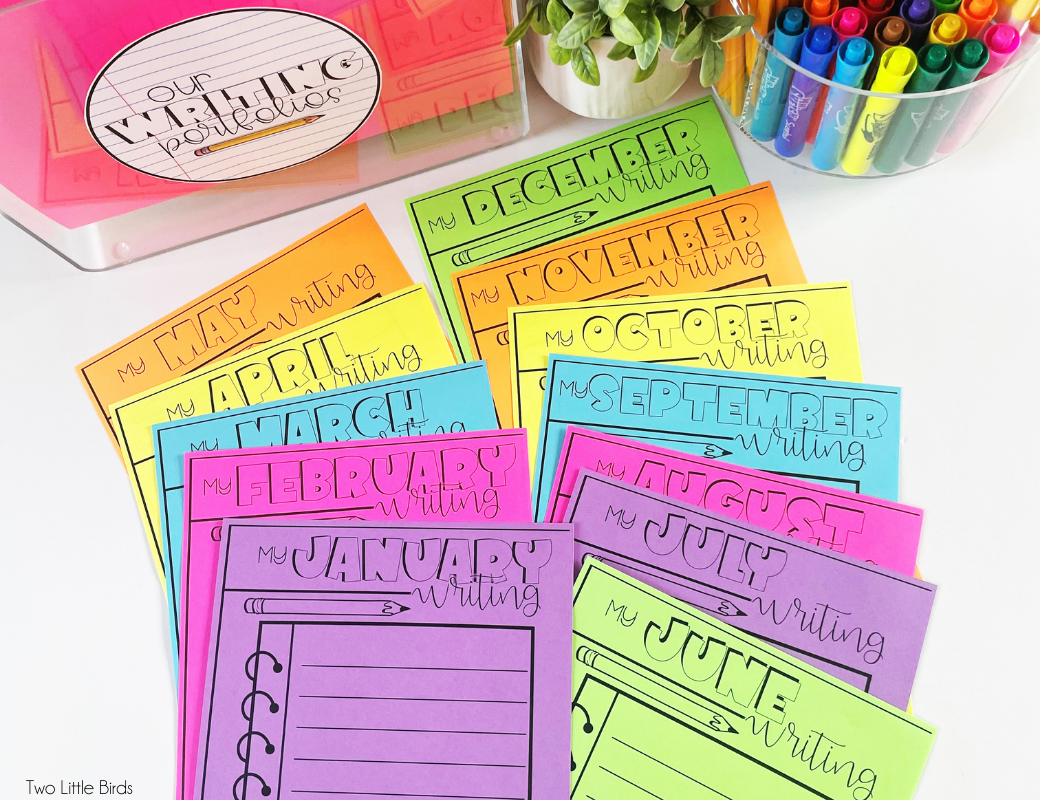
Jakarta, inca.ac.id – A strong piece of writing can open a door, but a strong collection of writing can open several. That is the real value of Writing Portfolios. They do more than display finished work. They show development, range, intention, and the ability to communicate effectively across different purposes. In academic settings, writing portfolios help students demonstrate progress, research ability, and analytical thinking. In professional settings, they help candidates prove they can write with clarity, structure, and audience awareness. To me, writing portfolios are curated collections of written work that present a person’s skills, growth, voice, and communication strengths for educational, professional, or creative purposes.
Why Writing Portfolios Matter

In my experience, Writing Portfolios matter because they make writing visible as a skill rather than leaving it hidden behind grades, claims, or general descriptions. A résumé may say someone has strong communication skills, but a portfolio provides evidence. It lets readers see how a writer organizes ideas, uses evidence, adapts tone, and handles different forms of communication.
This becomes especially important because many academic and career opportunities now place increasing value on practical demonstration. Schools may ask for writing samples in applications. Employers may want evidence of content creation, reporting, analysis, proposal writing, or professional communication. A portfolio becomes a bridge between saying “I can write” and showing “Here is how I write.”
There is also a strong connection to educational and professional Knowledge, communication skills, academic writing, audience awareness, revision, personal branding, and career readiness here. Good writing portfolios are not simply folders of saved assignments. They are intentional presentations of ability, growth, and purpose.
My Perspective on Writing Portfolios
What changed my understanding of Writing Portfolios was realizing that selection matters as much as quality. At first, some may think a portfolio is simply a place to gather every piece of writing they have completed. But over time, I came to see that a strong portfolio is built through thoughtful curation. The best portfolios do not overwhelm readers with volume. They guide readers through strengths.
That is what makes this topic meaningful to me. Writing portfolios are not only about collecting work. They are about shaping a clear and credible picture of who the writer is and what the writer can do.
What Makes a Strong Writing Portfolio
I think the value of Writing Portfolios becomes clearer when the key elements are broken down directly.
Range
A good portfolio includes different types of writing when relevant, such as essays, reports, reflections, articles, or professional communication.
Quality
The strongest pieces should be polished, purposeful, and well organized.
Relevance
Selections should match the writer’s academic or career goals.
Evidence of growth
A portfolio becomes stronger when it shows development over time.
Clear presentation
Organization, formatting, and readability matter just as much as content.
Common Mistakes to Avoid
I have noticed that Writing Portfolios can become weaker when students make a few common mistakes.
Including too much
A portfolio should be selective rather than overloaded.
Ignoring the audience
What works for a classroom may need adjustment for professional readers.
Using unedited work
Strong portfolios should feature revised and polished writing.
Lacking variety
Too many similar pieces can limit the impression of skill.
Poor organization
Strong content can be overlooked if presentation is confusing.
Practical Steps for Building a Strong Portfolio
I believe Writing Portfolios become more effective when writers build them with strategy.
Choose a purpose first
Decide whether the portfolio is for academic admission, internship applications, employment, or personal branding.
Select your best work carefully
Pick pieces that show strength, range, and relevance.
Revise before including anything
A portfolio should contain your strongest edited versions.
Add brief context when useful
A short note can explain the assignment, audience, or goal of a piece.
Keep the layout clean
Readers should be able to move through the portfolio easily.
Below is a simple overview of writing portfolio building:
| Writing Portfolios Element | Why It Matters | Example in Practice |
|---|---|---|
| Purpose | Guides selection | A student preparing for graduate school includes analytical and research-based writing |
| Quality | Creates a strong impression | Only revised and polished pieces are included |
| Range | Shows versatility | The portfolio contains essays, reports, and reflective writing |
| Relevance | Matches goals | A job applicant includes professional-style articles and business communication samples |
| Presentation | Improves readability | Sections are clearly labeled and easy to navigate |
These examples show that writing portfolios are not simply storage spaces for completed assignments. They are strategic tools for presenting writing ability with clarity and intention.
Why Writing Portfolios Matter Beyond Applications
I think Writing Portfolios matter because their value goes beyond admissions or employment. They also help writers become more aware of their own strengths, habits, and progress. Reviewing past work can reveal patterns in voice, structure, evidence use, and revision skill. That kind of reflection can strengthen future writing.
That broader significance is what makes this topic so valuable. Writing portfolios are not only about impressing others. They are also about understanding and improving one’s own communication ability over time.
Final Thoughts
For me, Writing Portfolios are one of the most practical and meaningful tools a student or professional can build because they transform writing from a private effort into visible evidence of skill and growth. They help writers present themselves more clearly and more confidently in academic and career settings.
That is why they matter so much. Writing portfolios are not simply collections of documents. They are carefully shaped representations of ability, development, and purpose.
Explore our “”Knowledge“” category for more insightful content!
Don't forget to check out our previous article: Campus Committees: Valuable Skills You Gain by Joining University Committees
Penulis

#Academic Writing #career readiness #communication skills #Portfolio Building #professional communication #Student Development #Writing Portfolios #writing samples
Related Posts
 Kuliah Perdana Menjadi Langkah Awal Mahasiswa Mengenal Sistem Belajar dan Kehidupan Kampus
 Ilmu Kesehatan Anak Membantu Mahasiswa Memahami Kesehatan dan Perawatan Anak Sejak Dini
 Sosial Ekonomi Perikanan Membantu Mahasiswa Memahami Usaha, Masyarakat, dan Kehidupan di Sektor Perikanan
 Manajemen Pariwisata Membantu Mahasiswa Memahami Cara Mengelola Usaha dan Layanan Wisata