
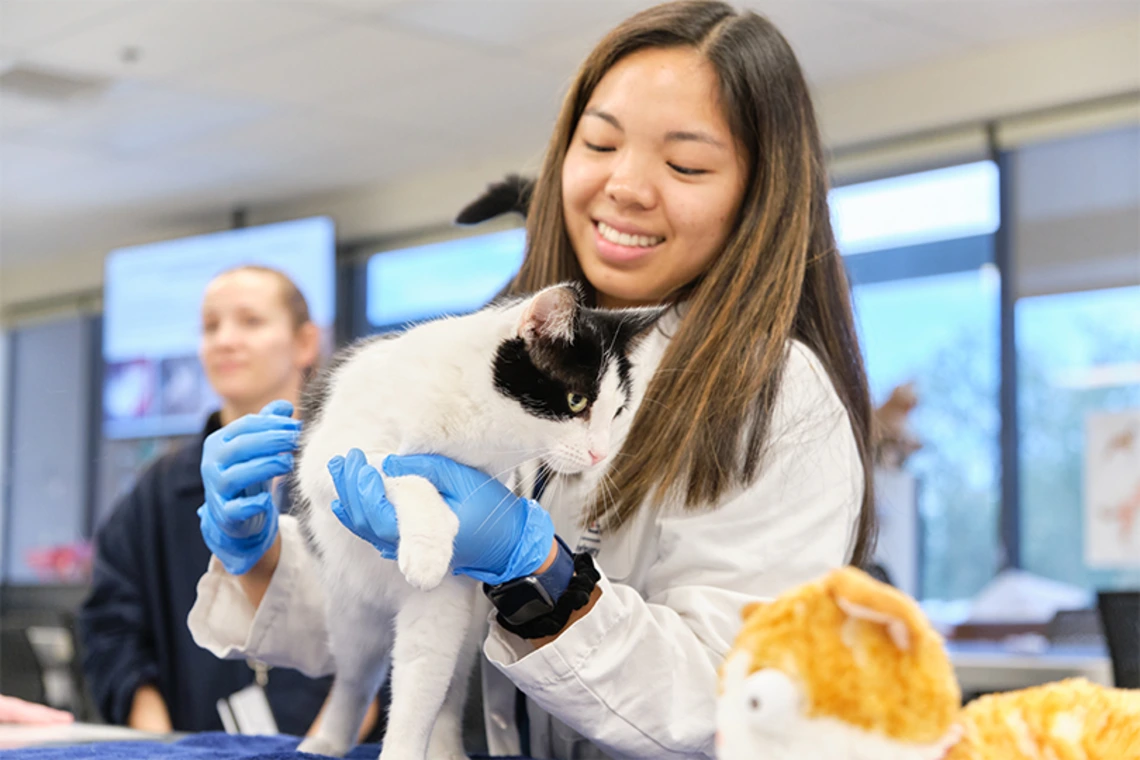
Jakarta, inca.ac.id – Veterinary medicine is a vital field dedicated to the health and well-being of animals, encompassing a wide range of practices from clinical care to research. As veterinary students embark on their educational journeys at university, they are equipped with the knowledge and skills necessary to care for animals, promote public health, and contribute to the advancement of veterinary science. This article explores the significance of veterinary medicine, the educational pathways available, and the impact of veterinary professionals on animal and human health.
The Importance of Veterinary Medicine

-
Animal Health and Welfare: Veterinary medicine plays a crucial role in ensuring the health and welfare of animals. Veterinarians diagnose and treat illnesses, perform surgeries, and provide preventive care, contributing to the overall quality of life for pets, livestock, and wildlife.
-
Public Health: Veterinarians play a pivotal role in public health by tracking and controlling zoonotic diseases—those transmissible from animals to humans. Through food‐safety inspections, disease surveillance, and vaccination campaigns, they help shield communities from health threats.
-
Research and Innovation: Veterinary medicine is at the forefront of research in areas such as animal behavior, nutrition, genetics, and disease prevention. Veterinary researchers contribute to scientific advancements that benefit both animal and human health, leading to innovative treatments and improved care practices.
-
Conservation Efforts: Veterinarians play a significant role in wildlife conservation and rehabilitation. They work to protect endangered species, manage wildlife populations, and ensure the health of ecosystems through veterinary interventions and research.
Educational Pathways in Veterinary Medicine
-
Undergraduate Studies: Most veterinary programs require a strong foundation in the sciences, including biology, chemistry, and animal science. Students may pursue a Bachelor’s degree in a related field before applying to veterinary school.
-
Veterinary School: Admission to veterinary school typically requires completion of prerequisite courses and relevant experience in animal care. Veterinary programs generally last four years and culminate in a Doctor of Veterinary Medicine (DVM) degree. The curriculum includes both classroom instruction and hands-on clinical training.
-
Internships and Residencies: After earning a DVM, many veterinarians choose to complete internships or residencies in specialized areas such as surgery, internal medicine, or emergency care. These programs provide advanced training and expertise in specific fields of veterinary medicine.
-
Continuing Education: Veterinary professionals are required to engage in continuing education to stay current with advancements in the field. This ongoing learning ensures that veterinarians provide the best possible care to their patients.
Skills and Competencies in Veterinary Medicine
-
Clinical Skills: Veterinary students develop essential clinical skills, including physical examinations, diagnostic procedures, and surgical techniques. Hands-on experience in clinics and laboratories is crucial for building these competencies.
-
Communication Skills: Effective communication is vital in veterinary medicine. Veterinarians must be able to explain medical conditions and treatment options to pet owners, collaborate with veterinary staff, and work with diverse stakeholders in animal health.
-
Problem-Solving Abilities: Veterinary professionals often face complex cases that require critical thinking and problem-solving skills. Students learn to analyze symptoms, diagnose conditions, and develop treatment plans based on evidence-based practices.
-
Compassion and Empathy: A successful career in veterinary medicine requires a genuine love for animals and a compassionate approach to care. Veterinarians must be empathetic towards both animals and their owners, providing support during difficult times.
The Impact of Veterinary Professionals
-
Community Engagement: Veterinarians often engage with their communities through outreach programs, educational workshops, and health fairs. They promote responsible pet ownership, preventive care, and the importance of vaccinations.
-
Advocacy for Animal Welfare: Veterinary professionals advocate for animal welfare and ethical treatment of animals. They work with organizations and policymakers to promote legislation that protects animals and enhances their living conditions.
-
Global Health Initiatives: Veterinarians contribute to global health initiatives by addressing issues such as food security, disease prevention, and animal welfare in developing countries. Their expertise is crucial in implementing sustainable practices that benefit both animals and humans.
Conclusion
In conclusion, veterinary medicine is a dynamic and rewarding field that plays a critical role in the health and well-being of animals and humans alike. Through rigorous education and training, veterinary professionals are equipped to address the diverse challenges in animal care, public health, and research. As students pursue their studies in veterinary medicine at university, they are not only preparing for fulfilling careers but also making a significant impact on the lives of animals and the communities they serve.
Explore our “Knowledge” category for more insightful content!
Don't forget to check out our previous article: University Public Relations: Managing Perceptions at University
#animal health #animal welfare #Community Engagement #DVM #public health #veterinary education #veterinary medicine #veterinary professionals #veterinary research.
Related Posts

Tesis Mahasiswa: Landasan Akademik Menuju Kontribusi Ilmiah Berkualitas
University Governance: Understanding Campus Operations
Teknologi Rekayasa: Bekal Penting Mahasiswa Hadapi Dunia Industri
Belajar Reflektif Menjadi Kunci Kesuksesan Mahasiswa Modern