
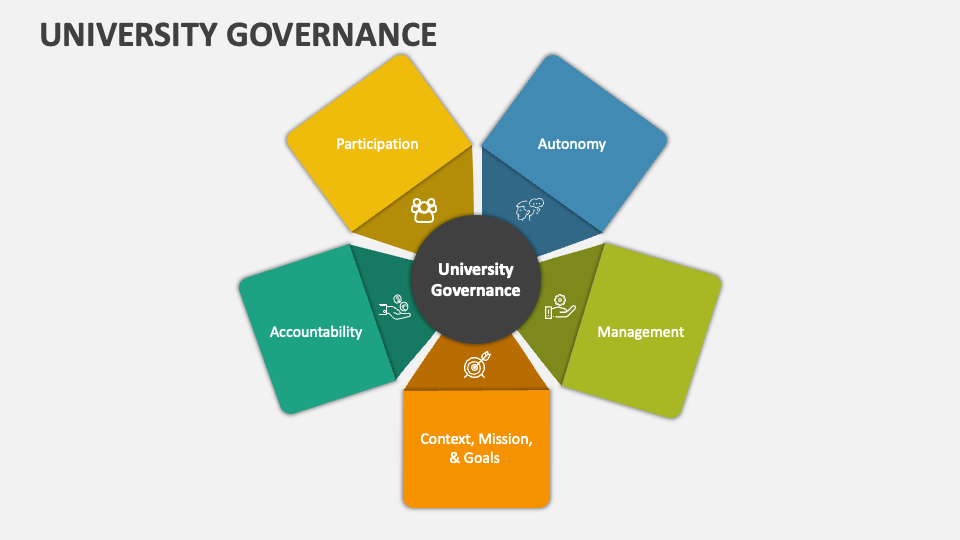
Jakarta, inca.ac.id – Universities are complex institutions that do far more than deliver classes and award degrees. They manage academic standards, student services, finances, staffing, facilities, research, compliance, and long-term planning, all while serving multiple stakeholders with different expectations. That is why University Governance is such an important concept. To me, university governance is the system of leadership, decision-making, oversight, policies, and institutional coordination that guides how a university operates, sets priorities, and remains accountable to its mission and community.
Why University Governance Matters
/prod01/channel_8/media/scu-dep/staff/governance-and-records/images/tripartite-governance-structure-of-Australian-universities-16-9-62kb.jpg)
In my experience, University Governance matters because a university cannot function effectively without clear structures for authority and responsibility. Decisions about curriculum, budgets, hiring, student welfare, research ethics, campus safety, and institutional strategy all need organized processes. Governance helps ensure that these decisions are not made randomly, but through systems designed to balance expertise, accountability, and institutional purpose.
This becomes especially important because universities typically involve many groups, including governing boards, senior administrators, faculty leaders, department heads, staff, students, and sometimes external regulators or community partners. Each group may play a different role in shaping institutional life. University governance helps define how these roles interact and how major decisions move through the institution.
There is also a strong connection to administrative Knowledge, policy coordination, and organizational trust here. Good university governance is not simply about control. It is about creating a framework that supports effective operations and responsible leadership.
My Perspective on Campus Decision-Making
What changed my understanding of University Governance was realizing that campus operations depend on more than visible leadership. At first, some may think governance is only about top administrators making decisions. But over time, I came to see that governance often includes layered participation, policy review, committee structures, academic input, financial oversight, and procedural accountability. It is a system, not just a set of titles.
That is what makes this topic meaningful to me. University governance is not only about authority. It is about how institutions organize decision-making in ways that shape academic and operational life.
Core Elements of University Governance
I think the value of University Governance becomes easier to understand when its major elements are broken down clearly.
Leadership structure
Universities rely on defined roles such as boards, presidents, provosts, deans, and department leaders.
Policy development
Rules and procedures help guide academic, financial, and administrative operations.
Shared decision-making
Faculty, staff, and sometimes students may contribute to institutional decisions.
Accountability
Governance systems help ensure that decisions are reviewed, documented, and aligned with institutional goals.
Resource oversight
Budgets, staffing, and facilities must be managed responsibly.
Strategic direction
Governance helps shape long-term priorities, growth, and mission alignment.
Common Challenges in University Governance
I have noticed that University Governance also comes with several challenges.
Bureaucratic complexity
Too many layers of process can slow decision-making.
Conflicting priorities
Different stakeholders may have competing goals.
Communication gaps
Important decisions may not always be clearly understood across campus.
Resistance to change
Institutions may struggle to adapt quickly.
Ambiguity of roles
Unclear boundaries can create confusion or duplication.
Practical Value of University Governance
I believe University Governance offers lasting value because it helps universities function with greater order, responsibility, and institutional coherence.
It improves coordination
Different units can work within a common structure.
It strengthens accountability
Decisions are more likely to follow policies and oversight processes.
It supports academic quality
Governance helps protect standards and institutional integrity.
It enables strategic planning
Leadership can guide the university with clearer priorities.
It builds trust
Transparent systems increase confidence among stakeholders.
Below is a simple overview of how university governance supports campus operations:
| University Governance Element | Why It Matters | Example in Practice |
|---|---|---|
| Leadership structure | Defines authority and responsibility | A board sets broad policy while deans oversee academic units |
| Policy development | Guides consistent decisions | The university creates procedures for academic integrity and hiring |
| Shared decision-making | Brings multiple perspectives into governance | Faculty committees review curriculum proposals |
| Accountability | Ensures oversight and alignment | Budget decisions are reviewed through formal approval channels |
| Strategic direction | Shapes long-term institutional priorities | Leadership adopts a multi-year plan for enrollment and research growth |
These examples show that university governance is not simply administrative formality. It is the foundation for understanding campus operations and how decisions are made across the institution.
Why University Governance Matters Beyond Administration
I think University Governance matters because the quality of governance affects the entire university experience. When decision-making is clear, responsible, and mission-driven, academic programs function more effectively, staff work with better coordination, students receive stronger support, and the institution is better prepared to face challenges. Governance quietly shapes the environment in which all campus activity takes place.
That broader significance is what makes this topic so valuable. University governance is not only about internal administration. It is about understanding campus operations through the systems that guide them.
Final Thoughts
For me, University Governance is one of the most important concepts in higher education because it connects leadership, policy, accountability, and institutional purpose into a functioning framework. It helps explain how universities operate, how decisions are made, and how responsibility is distributed across campus.
That is why it matters so much. University governance is not simply about administration. It is about understanding campus operations in a structured and meaningful way.
Explore our “”Knowledge“” category for more insightful content!
Don't forget to check out our previous article: Brand Management: Building Identities at University
Penulis

#accountability #campus operations #higher education leadership #institutional policy #shared decision-making #strategic planning #university administration #University Governance
Related Posts
 Kuliah Perdana Menjadi Langkah Awal Mahasiswa Mengenal Sistem Belajar dan Kehidupan Kampus
 Ilmu Kesehatan Anak Membantu Mahasiswa Memahami Kesehatan dan Perawatan Anak Sejak Dini
 Sosial Ekonomi Perikanan Membantu Mahasiswa Memahami Usaha, Masyarakat, dan Kehidupan di Sektor Perikanan
 Manajemen Pariwisata Membantu Mahasiswa Memahami Cara Mengelola Usaha dan Layanan Wisata