Why Sports Science Matters in College Athletics
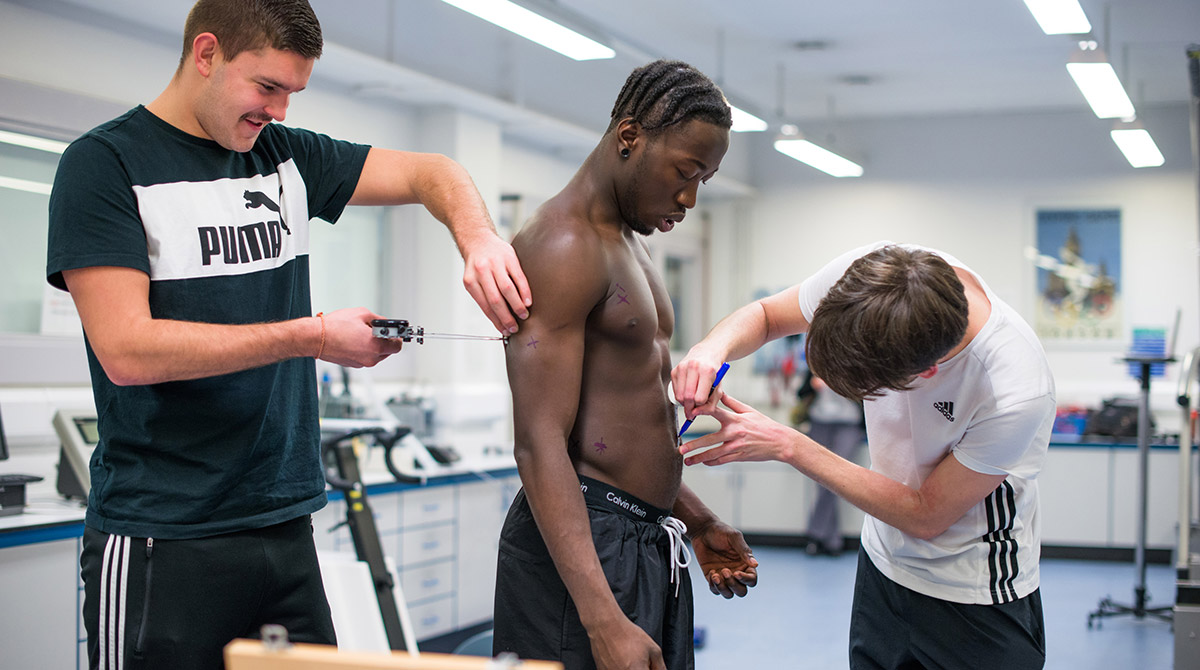
In my experience, Sports Science matters because college athletes operate in a demanding environment. They are expected to balance rigorous training, academic responsibilities, travel, competition, and recovery, often all within a very tight schedule. Without a scientific approach, it becomes easy to rely too heavily on tradition, guesswork, or overtraining.
A sports science perspective brings structure to performance improvement. It uses data, physiology, biomechanics, nutrition, psychology, and recovery methods to help athletes train more effectively rather than simply train harder. This can improve results while also reducing the risk of injury and burnout.
There is also a strong connection to athletic Knowledge here. Sports science gives athletes a clearer understanding of their own bodies, limits, and performance patterns, which can support better decisions both on and off the field.
My Perspective on Performance Optimization
What changed my understanding of Sports Science was realizing that peak performance is not built through effort alone. At first, I thought success in athletics depended mostly on discipline and repetition. But over time, I saw that intelligent training matters just as much as hard work. The body responds differently depending on rest, nutrition, movement quality, stress, and workload management.
That is what makes sports science so valuable in college athletics. It does not replace commitment. It makes commitment more effective. A well-designed training program, supported by proper recovery and monitoring, can often achieve better results than constant intensity without direction.
Core Areas of Sports Science in College Athletics
I think Sports Science becomes easier to understand when we look at its main areas of application.
Exercise physiology
This helps explain how the body responds to training, endurance work, fatigue, and physical adaptation.
Biomechanics
This focuses on movement efficiency, technique, and how the body produces force.
Nutrition
Proper fueling supports energy, performance, recovery, and long-term health.
Sports psychology
Mental focus, confidence, motivation, and stress management all influence athletic outcomes.
Recovery science
Sleep, hydration, rest, and regeneration are critical for sustainable performance.
Common Challenges in Applying Sports Science
I have noticed that several issues can limit the impact of Sports Science in college athletics.
Overtraining
Athletes may train intensely without enough recovery.
Inconsistent recovery habits
Poor sleep, weak nutrition, and dehydration can reduce performance.
Limited individualization
Not every athlete responds the same way to the same training plan.
Underestimating mental performance
Psychological readiness is often as important as physical preparation.
Practical Ways Sports Science Supports Athletes
I believe Sports Science becomes most effective when its principles are applied consistently in daily athletic routines.
Monitor workload
Tracking training volume and intensity helps prevent burnout and injury.
Prioritize recovery
Sleep, hydration, and recovery protocols should be treated as essential, not optional.
Personalize training
Programs should reflect the athlete’s sport, position, body, and development needs.
Support mental readiness
Confidence, focus, and emotional control deserve regular attention.
Use data wisely
Performance data should guide decisions, not simply be collected without purpose.
Below is a simple overview of the key areas:
| Sports Science Area |
Why It Matters |
College Athletics Example |
| Exercise physiology |
Improves training adaptation |
Adjusting conditioning based on fatigue levels |
| Biomechanics |
Enhances movement efficiency |
Refining sprint or throwing technique |
| Nutrition |
Supports energy and recovery |
Planning meals around training sessions |
| Sports psychology |
Strengthens mental performance |
Using focus routines before competition |
| Recovery science |
Prevents burnout and injury |
Scheduling rest and monitoring sleep quality |
These areas work best when they are connected rather than treated separately.
Why Sports Science Matters Beyond Competition
I think Sports Science matters because it teaches athletes to approach performance with discipline, awareness, and long-term thinking. The goal is not only to win the next game. It is also to support health, consistency, and sustainable development.
This matters especially in college, where athletes are still developing physically and mentally. A scientific approach can help them compete more effectively now while also protecting their future well-being. In that sense, sports science is not only about performance enhancement. It is also about responsible athletic development.
Final Thoughts
For me, Sports Science is one of the most valuable tools for optimizing performance in college athletics. It brings together training, recovery, nutrition, movement, and mental preparation into a more intelligent and balanced system.
That is why it deserves serious attention. Athletic success is not built only on effort and talent. It is also shaped by understanding how performance really works. When college athletes and coaches apply sports science well, they create a stronger foundation for both achievement and long-term health.
Explore our “Knowledge” category for more insightful content!
Don't forget to check out our previous article: Disaster Preparedness: Planning for Resilience at University


 Kuliah Perdana Menjadi Langkah Awal Mahasiswa Mengenal Sistem Belajar dan Kehidupan Kampus
 Ilmu Kesehatan Anak Membantu Mahasiswa Memahami Kesehatan dan Perawatan Anak Sejak Dini
 Sosial Ekonomi Perikanan Membantu Mahasiswa Memahami Usaha, Masyarakat, dan Kehidupan di Sektor Perikanan
 Manajemen Pariwisata Membantu Mahasiswa Memahami Cara Mengelola Usaha dan Layanan Wisata