

Jakarta, inca.ac.id – Oceanography depths encompass the vast and intricate study of the ocean’s physical, chemical, biological, and geological properties. As one of the most critical fields of science, oceanography plays a vital role in understanding our planet’s ecosystems, climate, and resources. Pursuing a degree in oceanography at a university can open doors to exciting research opportunities and careers in marine science. This article delves into the depths of oceanography, exploring its significance, areas of study, and the educational pathways available for aspiring marine scientists.
What is Oceanography?
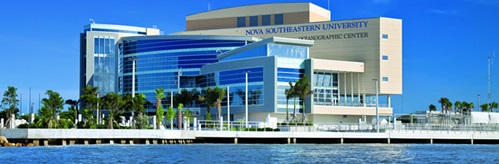
Definition and Scope
Oceanography is the scientific study of the oceans and their interactions with the atmosphere, land, and living organisms. It encompasses various disciplines, including:
- Physical Oceanography: Examines the ocean’s physical properties, including currents, waves, temperature, and salinity.
- Chemical Oceanography: Focuses on the chemical composition of seawater and the processes affecting it, such as nutrient cycling and pollution.
- Biological Oceanography: Studies marine organisms and their ecosystems, including the relationships between species and their environments.
- Geological Oceanography: Investigates the ocean floor’s geology, including plate tectonics, sedimentation, and seafloor mapping.
Importance of Oceanography
Understanding oceanography is crucial for several reasons:
- Climate Change: Oceans play a significant role in regulating the Earth’s climate. Studying ocean currents and temperatures helps scientists predict climate patterns and changes.
- Biodiversity: Oceans are home to diverse ecosystems that support countless species. Understanding these ecosystems is vital for conservation efforts and sustainable resource management.
- Natural Resources: Oceans provide resources such as fish, minerals, and energy. Oceanography helps manage these resources sustainably while minimizing environmental impact.
Educational Pathways in Oceanography
Undergraduate Programs
Many universities offer undergraduate degrees in oceanography, marine science, or related fields. These programs typically include coursework in biology, chemistry, physics, and mathematics, alongside specialized oceanography courses.
- Key Courses: Students may study topics such as marine ecology, ocean circulation, marine geology, and environmental science.
- Fieldwork Opportunities: Many programs emphasize hands-on learning through fieldwork, allowing students to conduct research and gain practical experience in marine environments.
Graduate Programs
For those seeking advanced knowledge and research opportunities, graduate programs in oceanography are available at the master’s and doctoral levels.
- Research Focus: Graduate students often engage in specialized research projects, contributing to the advancement of marine science. Areas of research may include climate modeling, marine biodiversity, and oceanic pollution.
- Thesis Requirements: Many graduate programs require students to complete a thesis based on original research, further enhancing their expertise in a specific area of oceanography.
Key Research Areas in Oceanography
1. Climate Change and Ocean Dynamics
Research in this area focuses on how oceanic processes influence climate change and vice versa. Scientists study ocean currents, sea level rise, and the impact of temperature changes on marine ecosystems.
2. Marine Biodiversity and Conservation
Marine biologists and ecologists study the diversity of marine life and the threats they face, such as habitat loss, overfishing, and pollution. Research in this area aims to develop conservation strategies to protect endangered species and habitats.
3. Ocean Pollution and Remediation
With increasing pollution in oceans, researchers investigate the sources and impacts of pollutants, including plastics, chemicals, and oil spills. Studies focus on developing remediation techniques to mitigate environmental damage.
4. Deep-Sea Exploration
The deep sea remains one of the least explored areas on Earth. Researchers use advanced technologies, such as remotely operated vehicles (ROVs) and autonomous underwater vehicles (AUVs), to study deep-sea ecosystems and geological features.
Career Opportunities in Oceanography
Graduates with degrees in oceanography have a wide range of career options, including:
- Marine Scientist: Conducting research and studies related to marine ecosystems and biodiversity.
- Environmental Consultant: Advising organizations on environmental policies and practices related to marine resources.
- Oceanographer: Specializing in physical, chemical, biological, or geological oceanography and conducting research in those fields.
- Policy Analyst: Working with government agencies or NGOs to develop policies for sustainable ocean management and conservation.
- Educator: Teaching marine science at the secondary or post-secondary level.
Conclusion
The oceanography depths offer a fascinating and essential field of study that is critical for understanding our planet’s health and sustainability. Pursuing a degree in oceanography opens doors to a variety of research and career opportunities, allowing students to contribute to the preservation of marine environments and the advancement of marine science. As our oceans face increasing challenges from climate change and pollution, the need for knowledgeable and passionate marine scientists has never been more crucial. Dive into the world of oceanography and explore the depths of knowledge that await!
Explore our “Knowledge” category for more insightful content!
Don't forget to check out our previous article: Religious Studies: Exploring Faith in College
Penulis

#climate change #educational pathways #marine biodiversity #marine science #ocean research #oceanography depths
Related Posts
 Kuliah Perdana Menjadi Langkah Awal Mahasiswa Mengenal Sistem Belajar dan Kehidupan Kampus
 Ilmu Kesehatan Anak Membantu Mahasiswa Memahami Kesehatan dan Perawatan Anak Sejak Dini
 Sosial Ekonomi Perikanan Membantu Mahasiswa Memahami Usaha, Masyarakat, dan Kehidupan di Sektor Perikanan
 Manajemen Pariwisata Membantu Mahasiswa Memahami Cara Mengelola Usaha dan Layanan Wisata