Medical sciences play a pivotal role in advancing health and improving the quality of life for individuals and communities. As a field that encompasses various disciplines, including biology, chemistry, pharmacology, and public health, medical sciences are essential for understanding diseases, developing treatments, and promoting wellness. This article explores the significance of medical sciences in university education, the opportunities they provide for students, and their impact on healthcare and society.
The Importance of Medical Sciences in Education

Medical sciences are crucial in shaping the future of healthcare. Here are some key reasons why this field is essential in university curricula:
1. Foundation for Healthcare Professions
- Diverse Career Paths: Medical sciences provide the foundational knowledge necessary for various healthcare professions, including medicine, nursing, pharmacy, and allied health fields. Students gain a comprehensive understanding of human biology, disease mechanisms, and treatment options.
- Interdisciplinary Approach: The study of medical sciences encourages an interdisciplinary approach, integrating knowledge from different fields. This holistic understanding is vital for addressing complex health issues.
2. Research and Innovation
- Advancing Medical Knowledge: Universities are at the forefront of medical research, contributing to the discovery of new treatments, therapies, and technologies. Students involved in research programs can participate in groundbreaking studies that advance medical knowledge.
- Fostering Innovation: Exposure to cutting-edge research and technology in medical sciences encourages students to think critically and creatively. This environment nurtures innovation, leading to the development of new solutions for healthcare challenges.
Opportunities for Students in Medical Sciences
Studying medical sciences at the university level offers numerous opportunities for personal and professional growth:
1. Hands-On Experience
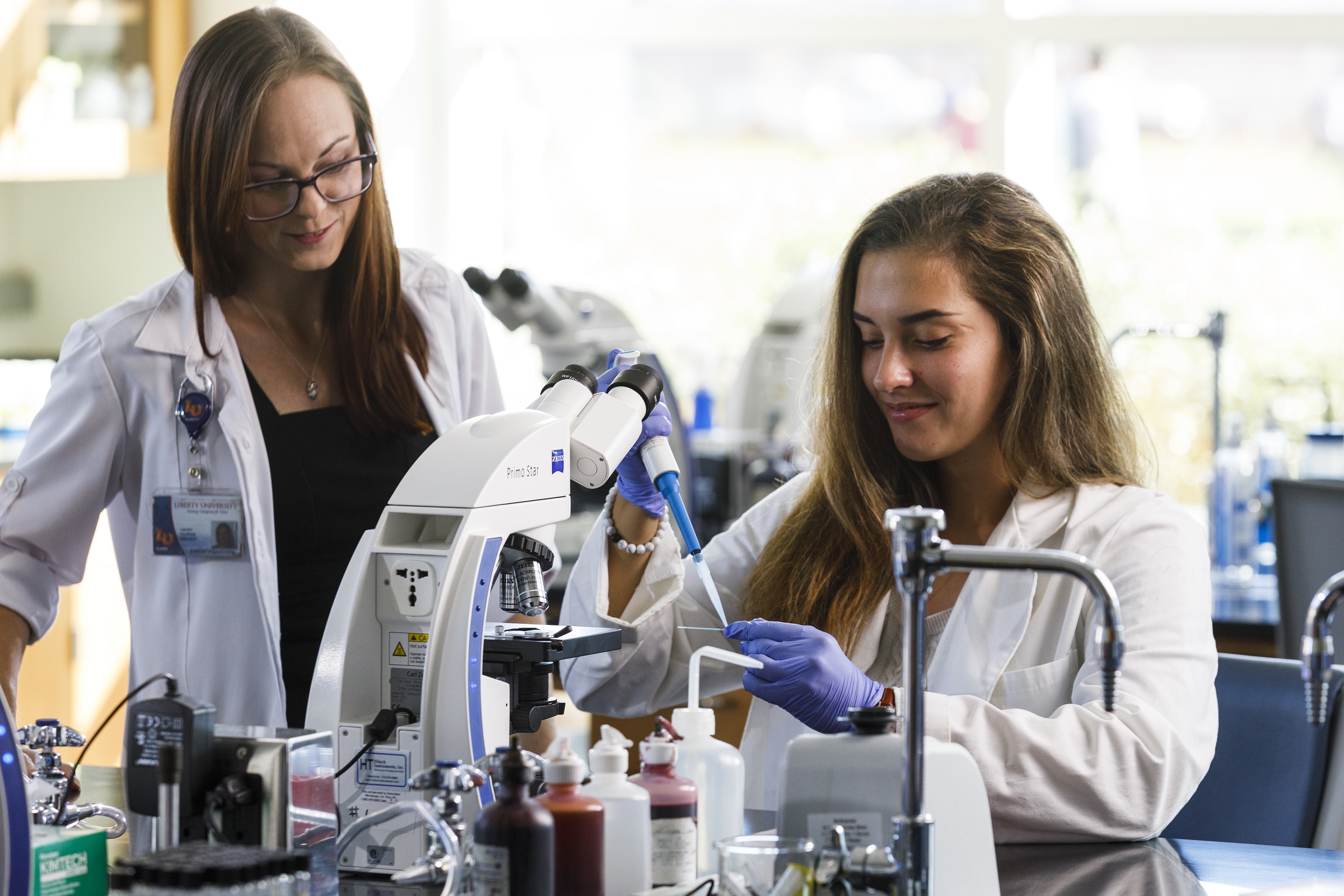
- Laboratory Work: Students in medical sciences often engage in hands-on laboratory work, gaining practical skills in conducting experiments, analyzing data, and using advanced equipment. This experience is invaluable for understanding scientific principles and methodologies.
- Clinical Exposure: Many programs incorporate clinical placements, allowing students to observe and participate in healthcare settings. This exposure helps them apply theoretical knowledge to real-world situations and develop essential clinical skills.
2. Networking and Collaboration
- Building Professional Connections: University environments provide opportunities for students to connect with faculty, industry professionals, and peers. Networking can lead to internships, job placements, and collaborative research projects.
- Interdisciplinary Collaboration: Medical sciences often involve collaboration with other fields, such as engineering, social sciences, and public health. Working with diverse teams enhances students’ perspectives and problem-solving abilities.
The Impact of Medical Sciences on Healthcare and Society
Medical sciences have a profound impact on healthcare systems and societal well-being:
1. Improving Patient Outcomes
- Evidence-Based Practice: Medical sciences emphasize the importance of evidence-based practice, ensuring that healthcare professionals make informed decisions based on the latest research and clinical guidelines. This approach leads to improved patient outcomes and safety.
- Preventive Medicine: Research in medical sciences contributes to the understanding of disease prevention and health promotion. By identifying risk factors and developing preventive strategies, healthcare providers can reduce the incidence of diseases and enhance public health.
2. Addressing Global Health Challenges
- Public Health Initiatives: Medical scientists play a crucial role in addressing global health challenges, such as pandemics, infectious diseases, and non-communicable diseases. Their research informs public health policies and interventions that protect and improve population health.
- Health Equity: The study of medical sciences fosters awareness of health disparities and social determinants of health. Students and professionals are encouraged to advocate for health equity and work towards reducing inequalities in healthcare access and outcomes.
Conclusion
In conclusion, medical sciences are essential for advancing health and improving the quality of life. University education in this field equips students with the knowledge, skills, and experiences necessary to pursue diverse careers in healthcare and research. Through hands-on experience, interdisciplinary collaboration, and a focus on evidence-based practice, medical sciences contribute significantly to patient outcomes and public health.
As the healthcare landscape continues to evolve, the role of medical sciences will remain critical in addressing emerging health challenges and promoting wellness. By investing in medical sciences education, universities play a vital role in shaping the future of healthcare and fostering a healthier society.


 Kuliah Perdana Menjadi Langkah Awal Mahasiswa Mengenal Sistem Belajar dan Kehidupan Kampus
 Ilmu Kesehatan Anak Membantu Mahasiswa Memahami Kesehatan dan Perawatan Anak Sejak Dini
 Sosial Ekonomi Perikanan Membantu Mahasiswa Memahami Usaha, Masyarakat, dan Kehidupan di Sektor Perikanan
 Manajemen Pariwisata Membantu Mahasiswa Memahami Cara Mengelola Usaha dan Layanan Wisata