
Jakarta, inca.ac.idLandscape architecture is a vital field that combines art, science, and environmental stewardship to design functional and aesthetically pleasing outdoor spaces. In the context of college campuses, landscape architecture plays a crucial role in enhancing the educational environment, promoting sustainability, and fostering community engagement. This article explores the significance of landscape architecture in college settings, key principles, and the impact of well-designed outdoor spaces on student life.
The Importance of Landscape Architecture in College

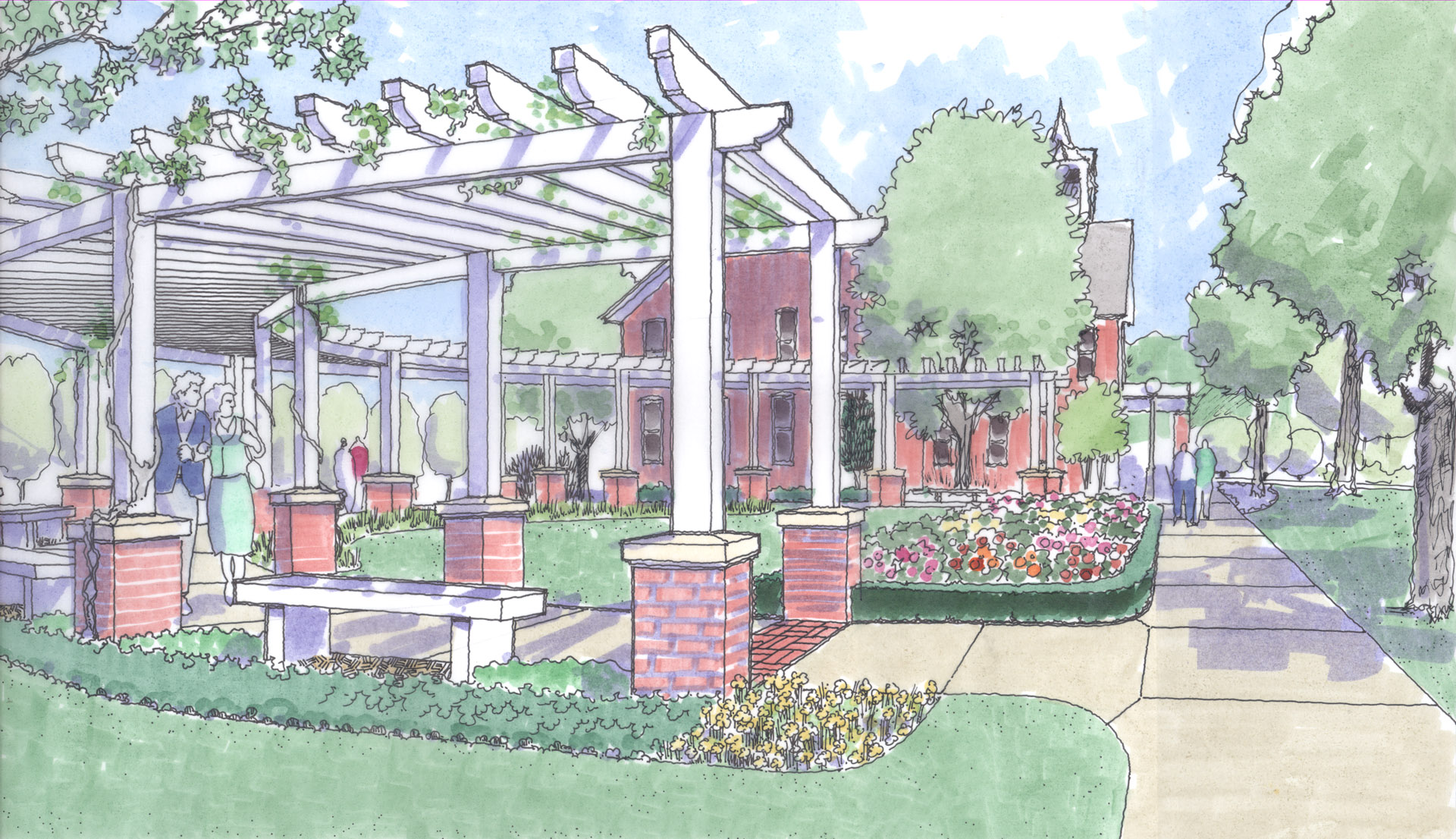
Bridgewater College Landscape Master Plan - Derck & Edson

  1. Enhancing Aesthetics: Thoughtfully designed landscapes enhance the visual appeal of college campuses. Beautiful outdoor spaces contribute to a positive first impression and create an inviting atmosphere for students, faculty, and visitors.

  2. Promoting Sustainability: Landscape architecture emphasizes sustainable practices, such as native plant selection, water management, and soil conservation. Sustainable landscapes reduce environmental impact and promote biodiversity on campus.

  3. Creating Functional Spaces: Well-designed outdoor areas serve multiple functions, including study spaces, gathering areas, and recreational facilities. These spaces support various activities and encourage students to engage with their surroundings.

  4. Encouraging Community Interaction: Landscape architecture fosters social interaction by creating communal spaces where students can gather, collaborate, and build relationships. These interactions contribute to a sense of belonging and community on campus.

  5. Improving Mental Health: Access to green spaces and natural environments has been shown to reduce stress and improve mental well-being. Thoughtfully designed landscapes provide students with opportunities for relaxation and rejuvenation.

Key Principles of Landscape Architecture

  • Site Analysis:

    • Conduct a thorough analysis of the site, including its topography, climate, soil types, and existing vegetation. Understanding these factors is essential for creating a successful landscape design that integrates with the environment.
  • Sustainable Design:

    • Incorporate sustainable practices into landscape designs, such as using native plants, implementing rain gardens, and designing for water efficiency. Sustainable design minimizes resource consumption and enhances ecological health.
  • Functionality and Accessibility:

    • Design outdoor spaces that accommodate diverse activities and user needs. Ensure that pathways, seating areas, and facilities are accessible to all students, including those with disabilities.
  • Aesthetic Appeal:

    • Create visually appealing landscapes by considering elements such as color, texture, and seasonal changes. Use design principles like balance, proportion, and unity to enhance the overall aesthetic.
  • Community Engagement:

    • Involve students, faculty, and community members in the design process. Gathering input and feedback fosters a sense of ownership and ensures that the landscape meets the needs of its users.

Impact of Landscape Architecture on Student Life

  • Outdoor Learning Environments:

    • Landscape architecture can create outdoor classrooms and learning environments that enhance the educational experience. These spaces encourage hands-on learning and provide unique opportunities for exploration and discovery.
  • Recreational Opportunities:

    • Well-designed landscapes offer recreational spaces for sports, exercise, and relaxation. Facilities such as gardens, trails, and sports fields promote physical activity and contribute to a healthy lifestyle.
  • Social Spaces:

    • Communal areas designed for social interaction, such as plazas, courtyards, and seating areas, encourage students to connect and collaborate. These spaces play a crucial role in building a vibrant campus community.
  • Cultural Expression:

    • Landscape architecture can reflect the cultural identity and values of the college community. Incorporating local art, historical elements, and cultural symbols into the landscape design fosters a sense of pride and belonging.
  • Enhancing Campus Identity:

    • Thoughtfully designed landscapes contribute to the overall identity of the college. Unique and memorable outdoor spaces can become iconic features that define the campus and enhance its reputation.

Conclusion

In conclusion, landscape architecture is an essential aspect of college design that significantly impacts student life and the overall campus experience. By enhancing aesthetics, promoting sustainability, and creating functional and engaging outdoor spaces, landscape architecture contributes to a vibrant and supportive educational environment. As colleges continue to evolve, the role of landscape architecture will remain crucial in shaping outdoor spaces that foster learning, community, and well-being.

Explore our “Knowledge” category for more insightful content!

Don't forget to check out our previous article: Lecture Notes Mastery: Organize & Review Effectivel

Penulis

Categories:

Related Posts

Perundang Undangan Perundang Undangan dan Pentingnya Dipahami Mahasiswa
Jakarta, inca.ac.id – Perundang undangan sering dianggap topik yang berat dan membingungkan bagi sebagian mahasiswa.
Belajar Mandiri Kebiasaan Sederhana yang Membantu Mahasiswa Lebih Berkembang
inca.ac.id – Belajar Mandiri sekarang menjadi salah satu kemampuan penting yang harus dimiliki mahasiswa di
Student Surveys Student Surveys: Gathering Insights for Improvement
Jakarta, inca.ac.id – Schools and universities work best when they understand the experiences of the
Etika Hukum Etika Hukum di Kalangan Mahasiswa, Masih Dianggap Sepele?
Jakarta, inca.ac.id – Etika hukum menjadi salah satu fondasi penting dalam kehidupan mahasiswa, terutama di