
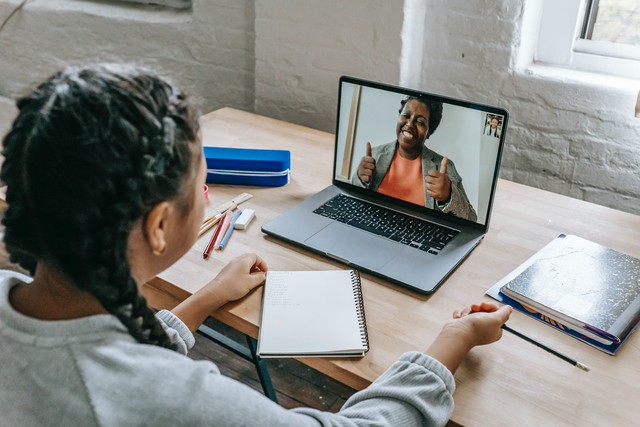
Jakarta, inca.ac.id – Modern Distance Learning has transformed how university students access education by making it possible to study from almost anywhere. Whether students live far from campus, manage work responsibilities, or need a more flexible study arrangement, distance learning offers access that traditional classroom models may not always provide. However, flexibility also brings challenges. Without clear routines, active communication, and self-discipline, students may struggle to stay organized and engaged. Effective strategies are therefore essential for success in this kind of learning environment.
For many university students, distance learning is not simply online lectures and digital assignments. It is a different way of managing time, motivation, communication, and independent study. Students who understand these demands are more likely to perform well and make the most of the learning model.
Why distance learning matters in higher education
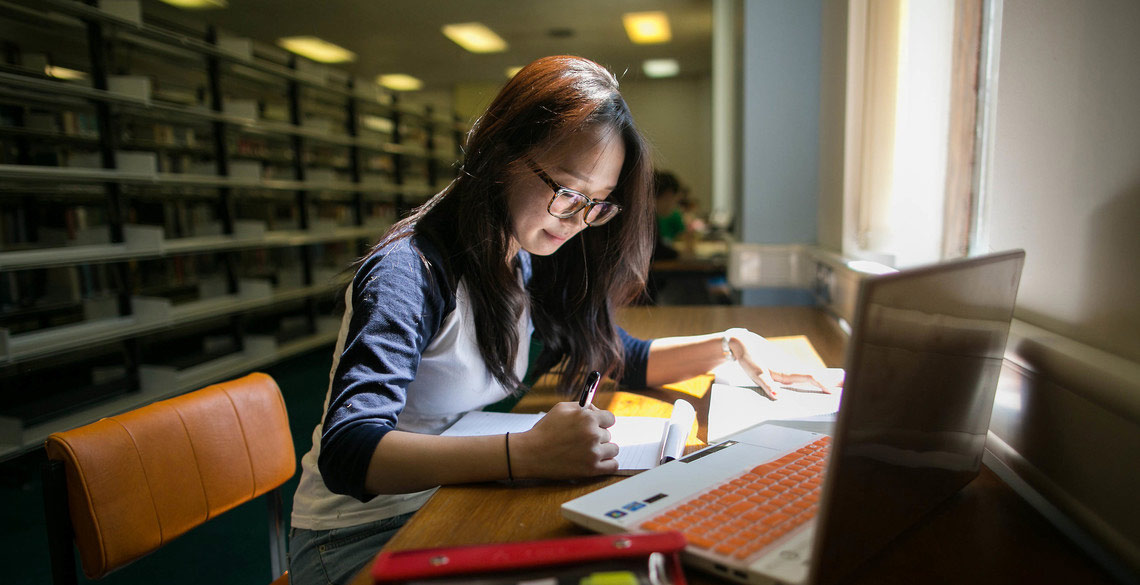
Distance Learning matters because it expands access to university education for students in different circumstances. It supports those who live in remote areas, balance employment with study, or need greater flexibility for personal reasons. By removing some of the physical limits of attendance, universities can reach a broader group of learners.
This model also reflects wider changes in education and technology. Students increasingly need digital learning skills, comfort with online communication, and the ability to manage independent work. Distance learning helps build these capabilities, which can also be useful in professional settings later on.
Challenges students often face
Although Distance Learning offers flexibility, it can also create difficulties that students must manage carefully.
Common challenges include:
- Trouble maintaining focus at home
- Weak time management
- Limited interaction with classmates
- Delayed communication with instructors
- Digital fatigue from long screen time
- Internet or device limitations
- Reduced motivation without classroom structure
These issues do not mean distance learning is ineffective. They mean students need practical strategies that replace some of the structure normally provided by campus life.
Effective strategies for studying from anywhere
University students can improve Distance Learning outcomes by building strong habits and systems that support consistent study.
Create a regular study routine
A consistent schedule helps students avoid last-minute work and maintain momentum.
Set up a dedicated study space
Even a small, quiet corner can help the brain separate study time from rest time.
Break tasks into manageable parts
Large assignments feel more manageable when divided into smaller goals with deadlines.
Stay active in communication
Students should check course platforms regularly, read announcements carefully, and contact instructors when clarification is needed.
Use digital tools wisely
Calendars, reminders, note apps, and task managers can support organization and deadline control.
Limit distractions during study time
Turning off unnecessary notifications and setting focused time blocks can improve concentration.
Reviewing course materials regularly
One important part of successful Distance Learning is regular review. Because students often work more independently, they need to revisit lecture recordings, notes, readings, and discussion materials consistently. Waiting too long to review can make it harder to understand concepts and keep up with the pace of the course.
Regular review helps students:
- Strengthen memory
- Identify confusion early
- Prepare for assessments gradually
- Stay connected to course progress
This steady approach reduces the pressure of trying to relearn everything shortly before deadlines or exams.
Maintaining motivation and discipline
A major strength of good Distance Learning students is self-discipline. Without direct classroom supervision, students must manage themselves more actively. Motivation may not always feel strong, so routines and clear goals become especially important.
Helpful habits include:
- Setting weekly study targets
- Rewarding progress in small ways
- Joining peer study groups online
- Tracking completed tasks
- Keeping long-term academic goals visible
Discipline often matters more than inspiration. Inspiration is delightful, but it rarely shows up exactly when the deadline does.
Final thoughts
Distance Learning gives university students the opportunity to study from anywhere, but success depends on more than internet access. With consistent routines, clear communication, active review, and self-management, students can turn flexibility into academic progress rather than confusion.
When approached seriously, distance learning can be both practical and effective. It allows students to build independence, digital confidence, and study habits that support long-term educational success.
Explore our “”Knowledge“” category for more insightful content!
Don't forget to check out our previous article: Academic Advising: Helping University Students Choose Courses and Plan Degree Progress
Penulis

#Digital Learning #Distance Learning #higher education #online study #remote education #study strategies #time management #university students
Related Posts
 Kuliah Perdana Menjadi Langkah Awal Mahasiswa Mengenal Sistem Belajar dan Kehidupan Kampus
 Ilmu Kesehatan Anak Membantu Mahasiswa Memahami Kesehatan dan Perawatan Anak Sejak Dini
 Sosial Ekonomi Perikanan Membantu Mahasiswa Memahami Usaha, Masyarakat, dan Kehidupan di Sektor Perikanan
 Manajemen Pariwisata Membantu Mahasiswa Memahami Cara Mengelola Usaha dan Layanan Wisata