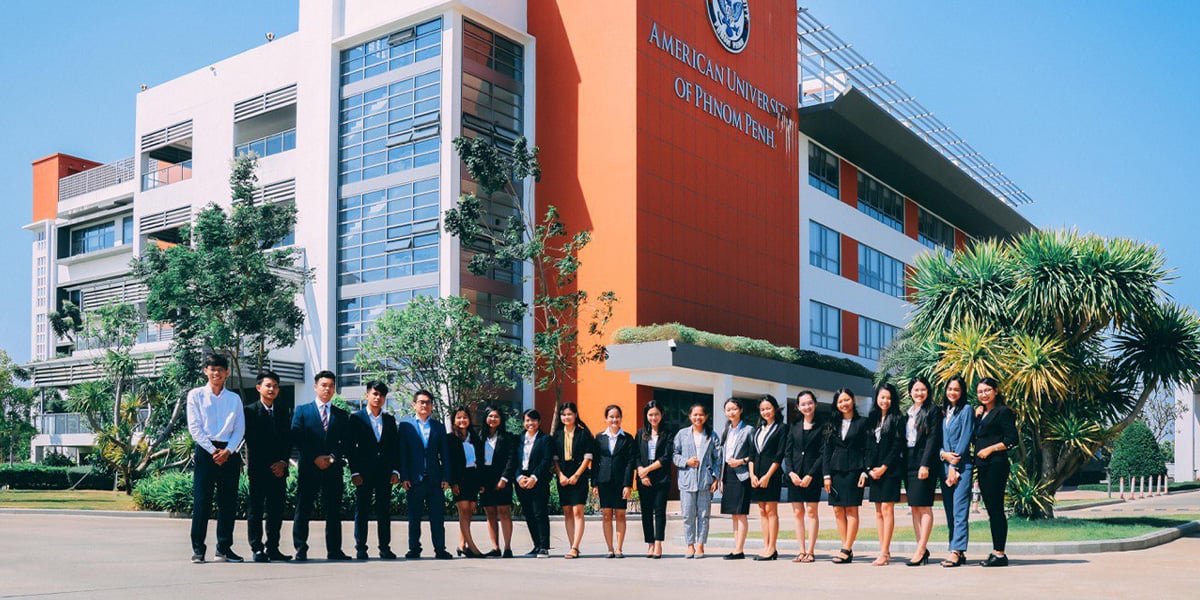
Jakarta, inca.ac.id – In an increasingly interconnected world, the importance of diplomatic relations extends beyond international boundaries; it also plays a crucial role in fostering a harmonious environment within college campuses. As students from diverse backgrounds come together, the potential for misunderstandings and conflicts can arise. However, by promoting diplomatic relations among students, faculty, and administration, colleges can cultivate a culture of peace, respect, and collaboration. This article explores the significance of diplomatic relations in higher education and offers strategies for fostering a peaceful campus environment.
The Importance of Diplomatic Relations in College

- Cultural Exchange and Understanding:
Colleges are melting pots of cultures, ideas, and perspectives. Diplomatic relations encourage students to engage with one another, promoting cultural exchange and understanding. This interaction fosters respect for diversity and helps students appreciate different viewpoints. - Conflict Resolution:
Conflicts are inevitable in any community. By emphasizing diplomatic relations, colleges can equip students with the skills needed to resolve disputes amicably. Understanding negotiation, active listening, and empathy are essential tools for addressing conflicts constructively. - Building Networks and Collaborations:
Diplomatic relations extend beyond personal interactions; they also facilitate networking and collaboration between students, faculty, and external organizations. These connections can lead to joint projects, research opportunities, and community engagement initiatives that benefit all parties involved. - Promoting Social Responsibility:
Colleges have a responsibility to prepare students for global citizenship. By fostering diplomatic relations, institutions can instill a sense of social responsibility and encourage students to engage in meaningful dialogue about pressing social issues.
Strategies for Fostering Diplomatic Relations on Campus
- Cultural Awareness Programs:
Organizing cultural awareness events, such as international festivals, workshops, and guest lectures, can promote understanding and appreciation of diverse cultures. These programs provide opportunities for students to share their traditions and learn from one another. - Conflict Resolution Workshops:
Offering workshops on conflict resolution and negotiation skills can empower students to handle disagreements effectively. These sessions can cover topics such as active listening, mediation techniques, and strategies for finding common ground. - Student Organizations and Clubs:
Encouraging the formation of student organizations that focus on diplomacy, diversity, and social justice can create a platform for students to engage in meaningful discussions. These clubs can host events, debates, and community service projects that promote collaboration and understanding. - Peer Mediation Programs:
Establishing peer mediation programs can provide students with the tools to resolve conflicts among themselves before escalating to formal disciplinary actions. Training selected students to act as mediators can create a supportive environment for conflict resolution. - Engagement with Local Communities:
Building partnerships with local community organizations can enhance diplomatic relations beyond campus borders. Collaborative initiatives, such as service projects or joint events, can foster goodwill and strengthen ties between students and the surrounding community. - Encouraging Open Dialogue:
Creating safe spaces for open dialogue about sensitive topics, such as race, religion, and politics, can help students express their opinions and listen to others. Facilitated discussions can promote understanding and empathy, reducing tensions on campus. - Utilizing Technology for Communication:
In today’s digital age, leveraging technology can enhance diplomatic relations. Online forums, social media groups, and virtual events can connect students from different backgrounds, facilitating discussions and collaborations regardless of geographical barriers.
Conclusion
In conclusion, diplomatic relations are essential for fostering a peaceful and inclusive environment on college campuses. By promoting cultural exchange, conflict resolution, and collaboration, colleges can prepare students to navigate an increasingly complex world. Implementing strategies that encourage understanding and respect among diverse student populations will not only enhance the college experience but also contribute to the development of future leaders who are equipped to foster peace and diplomacy on a global scale.
As students engage with one another and build meaningful relationships, they lay the groundwork for a more harmonious society. Embracing the principles of diplomacy on campus can lead to lasting benefits, ensuring that colleges remain not only centers of learning but also beacons of peace and understanding in the broader community.
Explore our “Knowledge” category for more insightful content!
Don't forget to check out our previous article: Dorm budgeting Strategies: Saving Money & Maximizing Comfort for University Students
#college peace #community service #conflict resolution #cultural awareness #diplomatic relations #inclusivity #leadership skills #student engagement
Related Posts
Dosen Tamu: Jembatan Pengalaman dan Inspirasi Akademik
Perilaku Sosial Mahasiswa di Era Digital yang Serba Cepat
Kompetensi Diri dan Tantangan Mahasiswa Modern
Hubungan Internasional dan Perannya di Era Global