

JAKARTA, inca.ac.id – Cultural Competence: Engaging with Global Societies in College isn’t just another buzzword—it’s legit a life-changer for anyone, especially students in today’s wild global world. I learned this the hard way my first semester when I totally blanked trying to make small talk with an exchange student from Japan at the campus cafe. Yeah, it was awkward. But it made me realize: man, being able to click with people from all walks of life is a skill worth mastering.
In our increasingly interconnected world, the ability to understand, respect, and engage with diverse cultures is more important than ever. Cultural competence refers to the skills, knowledge, and attitudes that enable individuals to interact effectively with people from different cultural backgrounds. For college students, developing cultural competence is not just an academic endeavor; it is a transformative experience that can shape their personal and professional lives. In this article, we will explore the significance of cultural competence in college, how it enhances global engagement, and the profound impact it can have on your life.
Understanding Cultural Competence
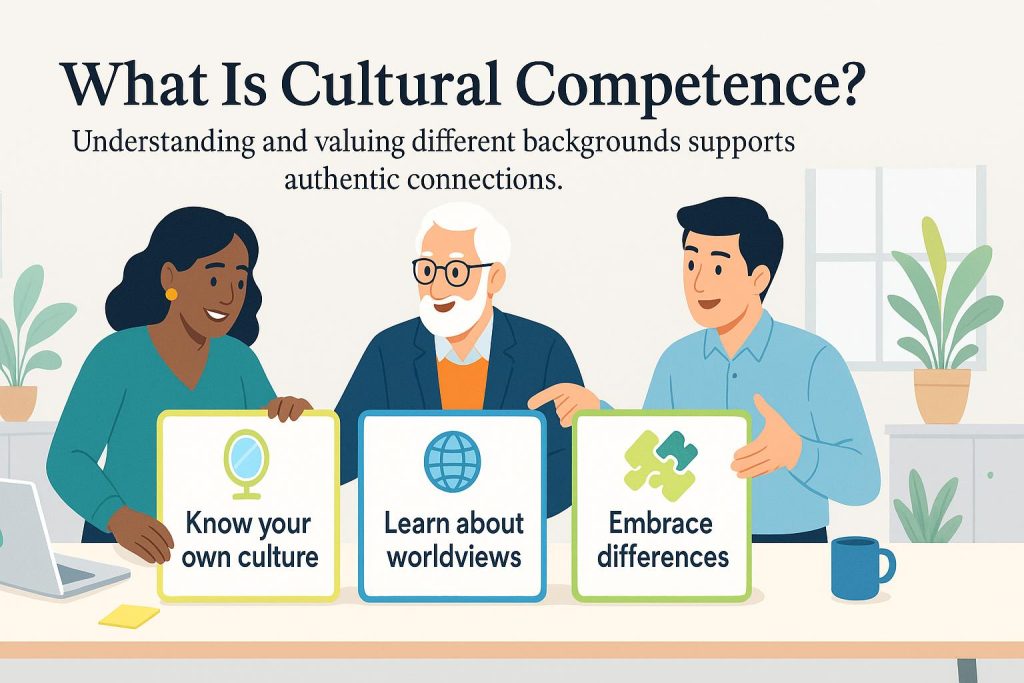
Cultural competence encompasses a range of abilities that allow individuals to navigate and appreciate cultural differences. It involves:
- Awareness: Recognizing one’s own cultural biases and understanding how they influence perceptions and interactions with others.
- Knowledge: Gaining insights into different cultures, traditions, and worldviews, which helps foster empathy and understanding.
- Skills: Developing effective communication and interpersonal skills to engage with individuals from diverse backgrounds.
- Attitudes: Cultivating an open-minded and respectful approach toward cultural diversity, promoting inclusivity and collaboration.
The Importance of Cultural Competence in College
1. Enhancing Academic Experience
Colleges and universities are melting pots of cultures, bringing together students from various backgrounds. Engaging with diverse perspectives enriches the academic experience by:
- Broadening Perspectives: Exposure to different viewpoints fosters critical thinking and encourages students to challenge their assumptions.
- Collaborative Learning: Group projects and discussions with peers from diverse backgrounds enhance teamwork and problem-solving skills.
- Interdisciplinary Insights: Understanding cultural contexts can deepen knowledge in fields such as sociology, anthropology, international relations, and business.
2. Preparing for a Global Workforce
In today’s globalized job market, employers increasingly seek individuals with cultural competence. Developing this skill set can significantly enhance career prospects by:
- Improving Communication: Effective cross-cultural communication is essential in diverse workplaces. Cultural competence helps students navigate language barriers and cultural nuances.
- Building Relationships: Understanding and respecting cultural differences fosters positive relationships with colleagues, clients, and stakeholders from around the world.
- Enhancing Adaptability: Culturally competent individuals are better equipped to adapt to new environments and challenges, making them valuable assets to employers.
3. Fostering Personal Growth
Engaging with global societies in college can lead to profound personal growth. Here’s how cultural competence can change your life:
- Increased Empathy: Interacting with individuals from different backgrounds cultivates empathy and compassion, allowing you to appreciate the richness of human experiences.
- Broadened Worldview: Exposure to diverse cultures challenges preconceived notions and encourages a more nuanced understanding of global issues.
- Lifelong Learning: Cultural competence fosters a mindset of curiosity and lifelong learning, encouraging individuals to seek out new experiences and perspectives throughout their lives.
Strategies to Develop Cultural Competence in College
1. Participate in Cultural Events
Colleges often host cultural festivals, workshops, and speaker series that celebrate diversity. Attending these events provides opportunities to learn about different cultures, traditions, and practices while engaging with peers.
2. Join Student Organizations
Many colleges have student organizations focused on cultural exchange and diversity. Joining these groups allows you to connect with individuals from various backgrounds, participate in discussions, and collaborate on projects.
3. Study Abroad Programs
Studying abroad is one of the most impactful ways to develop cultural competence. Immersing yourself in a different culture enhances language skills, deepens cultural understanding, and fosters adaptability.
4. Take Diverse Courses
Enroll in courses that explore global issues, cultural studies, or languages. These classes provide valuable insights into different cultures and can enhance your ability to engage with diverse perspectives.
5. Engage in Community Service
Volunteering in diverse communities allows you to interact with individuals from different backgrounds while contributing to meaningful causes. This hands-on experience fosters empathy and understanding.
Conclusion
Cultural competence is an essential skill for navigating our increasingly diverse world. For college students, engaging with global societies not only enhances academic experiences but also prepares them for successful careers and fosters personal growth. By developing cultural competence, students can broaden their perspectives, improve their communication skills, and cultivate empathy for others.
As you embark on your college journey, embrace the opportunity to engage with diverse cultures and perspectives. The experiences you gain will not only enrich your education but also change your life, equipping you with the skills and insights needed to thrive in a global society. In a world that values inclusivity and understanding, cultural competence is not just an asset; it is a necessity for building a better future.
Explore our “Knowledge” category for more insightful content!
Don't forget to check out our previous article: Musical Appreciation: Exploring Sounds at University
Penulis

#Cultural Competence #Engaging with Global Societies in College #Global Skills #student tips #study abroad
Related Posts
 Kuliah Perdana Menjadi Langkah Awal Mahasiswa Mengenal Sistem Belajar dan Kehidupan Kampus
 Ilmu Kesehatan Anak Membantu Mahasiswa Memahami Kesehatan dan Perawatan Anak Sejak Dini
 Sosial Ekonomi Perikanan Membantu Mahasiswa Memahami Usaha, Masyarakat, dan Kehidupan di Sektor Perikanan
 Manajemen Pariwisata Membantu Mahasiswa Memahami Cara Mengelola Usaha dan Layanan Wisata