
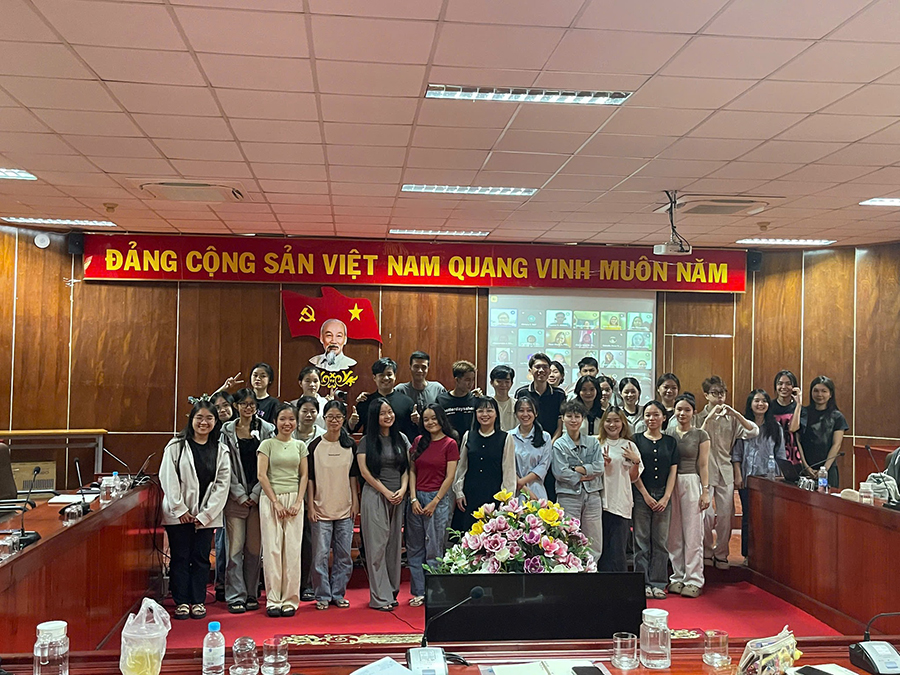
Jakarta, inca.ac.id – College environments bring together people from different nationalities, languages, values, communication styles, educational backgrounds, and lived experiences. That diversity can become one of an institution’s greatest strengths, but only when it is understood and managed with care. This is why Cross-Cultural Management is such an important concept in higher education. To me, cross-cultural management is the practice of leading, coordinating, and supporting diverse groups in ways that respect differences, improve collaboration, and create more inclusive and effective campus environments.
Why Cross-Cultural Management Matters

In my experience, Cross-Cultural Management matters because colleges are naturally multicultural spaces. Students, faculty, administrators, and staff often work together across cultural boundaries in classrooms, offices, committees, student organizations, and service settings. Without thoughtful leadership, differences in communication, expectations, authority, time management, and decision-making styles can lead to misunderstanding or conflict.
This becomes especially important because colleges are not only educational institutions. They are also communities. A diverse college team can bring broader perspectives, stronger problem-solving, and richer learning experiences. However, those benefits do not appear automatically. Cross-cultural management helps leaders turn diversity into cooperation rather than confusion.
There is also a strong connection to educational Knowledge, inclusion, leadership, communication, and institutional effectiveness here. Good cross-cultural management is not simply about avoiding offense. It is about building systems and relationships that help diverse teams succeed together.
My Perspective on Leading Diverse Teams
What changed my understanding of Cross-Cultural Management was realizing that diversity by itself does not guarantee inclusion. At first, some may think that bringing people from different backgrounds into the same space is enough to create a strong team. But over time, I came to see that diversity needs active support. People must feel heard, respected, and able to contribute meaningfully within the group.
That is what makes this topic meaningful to me. Cross-cultural management is not only about acknowledging difference. It is about leading in ways that make difference productive, respectful, and collaborative.
Core Elements of Cross-Cultural Management
I think the value of Cross-Cultural Management becomes easier to understand when its main elements are broken down clearly.
Cultural awareness
Leaders need to recognize how culture shapes behavior, expectations, and communication.
Inclusive communication
Clear, respectful, and adaptable communication supports understanding across differences.
Empathy
Strong leadership depends on listening and trying to understand different perspectives.
Conflict navigation
Misunderstandings can occur, so leaders must address tension constructively.
Equity and inclusion
Teams work better when people feel valued and treated fairly.
Collaborative leadership
Shared participation helps diverse teams contribute more effectively.
Common Challenges in Cross-Cultural Management
I have noticed that Cross-Cultural Management also comes with several challenges.
Communication differences
Direct and indirect communication styles may clash.
Assumptions and stereotypes
People may misinterpret behavior through narrow expectations.
Uneven participation
Some team members may feel less confident speaking in group settings.
Different norms
Expectations about deadlines, hierarchy, feedback, or disagreement may vary.
Institutional barriers
Policies or practices may not fully support inclusion.
Practical Value of Cross-Cultural Management
I believe Cross-Cultural Management offers lasting value because it helps colleges create stronger teams, healthier campus relationships, and more inclusive leadership practices.
It improves collaboration
Team members can work together more effectively across differences.
It reduces misunderstanding
Awareness and communication lower avoidable conflict.
It strengthens inclusion
People are more likely to feel respected and engaged.
It supports student and staff success
Inclusive environments help people perform and participate more fully.
It enhances institutional effectiveness
Diverse teams often generate broader insight and better decisions.
Below is a simple overview of how cross-cultural management supports leadership in college settings:
| Cross-Cultural Management Element | Why It Matters | Example in Practice |
|---|---|---|
| Cultural awareness | Helps leaders understand differences | A department chair learns how cultural norms affect meeting participation |
| Inclusive communication | Reduces misunderstanding | A supervisor explains expectations clearly and invites questions from all staff |
| Empathy | Builds trust across backgrounds | A student affairs leader listens carefully to concerns from international students |
| Conflict navigation | Supports healthy problem-solving | A team leader addresses tension caused by differing communication styles |
| Equity and inclusion | Strengthens belonging | A college office reviews practices to ensure all team members feel represented |
These examples show that cross-cultural management is not simply a leadership trend. It is a practical framework for leading diverse teams in college settings.
Why Cross-Cultural Management Matters Beyond Team Meetings
I think Cross-Cultural Management matters because its impact extends beyond daily coordination. It shapes institutional culture, student experience, staff well-being, and the quality of campus decision-making. When leaders manage diversity thoughtfully, they help create a college environment where people do not merely coexist, but learn and work well together.
That broader significance is what makes this topic so valuable. Cross-cultural management is not only about supervision. It is about leading diverse teams in college with respect, clarity, and inclusion.
Final Thoughts
For me, Cross-Cultural Management is one of the most important leadership concepts in higher education because it recognizes that diverse teams need more than good intentions. They need awareness, communication, fairness, and collaborative support. These are the tools that turn diversity into strength.
That is why it matters so much. Cross-cultural management is not simply a management concept. It is a practical way to lead diverse teams in college environments with greater understanding and effectiveness.
Explore our “”Knowledge“” category for more insightful content!
Don't forget to check out our previous article: Regional Planning: Shaping Communities in College
Penulis

#campus inclusion #college leadership #Cross-Cultural Management #cultural awareness #diverse teams #higher education management #inclusive communication #team collaboration
Related Posts
 Kuliah Perdana Menjadi Langkah Awal Mahasiswa Mengenal Sistem Belajar dan Kehidupan Kampus
 Ilmu Kesehatan Anak Membantu Mahasiswa Memahami Kesehatan dan Perawatan Anak Sejak Dini
 Sosial Ekonomi Perikanan Membantu Mahasiswa Memahami Usaha, Masyarakat, dan Kehidupan di Sektor Perikanan
 Manajemen Pariwisata Membantu Mahasiswa Memahami Cara Mengelola Usaha dan Layanan Wisata