
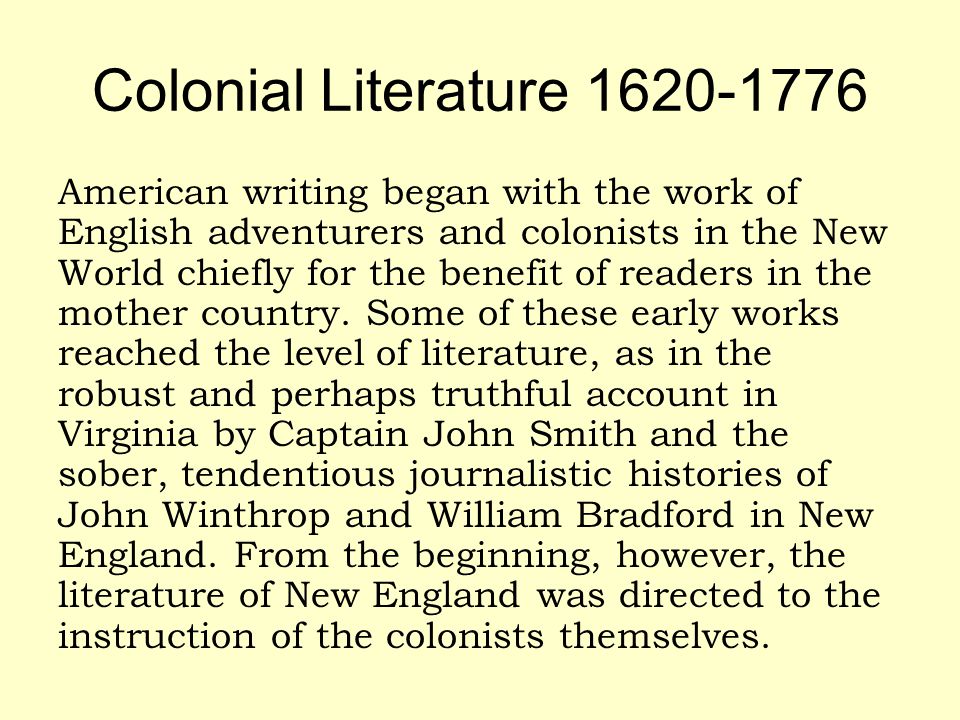
Colonial literature provides a rich canvas for exploring themes of power, identity, and resistance. This genre, often born out of the complex dynamics between colonizers and the colonized, serves not just as a record of historical events but as a profound reflection on the human condition under colonial rule.
Colonial Literature: Unpacking Power
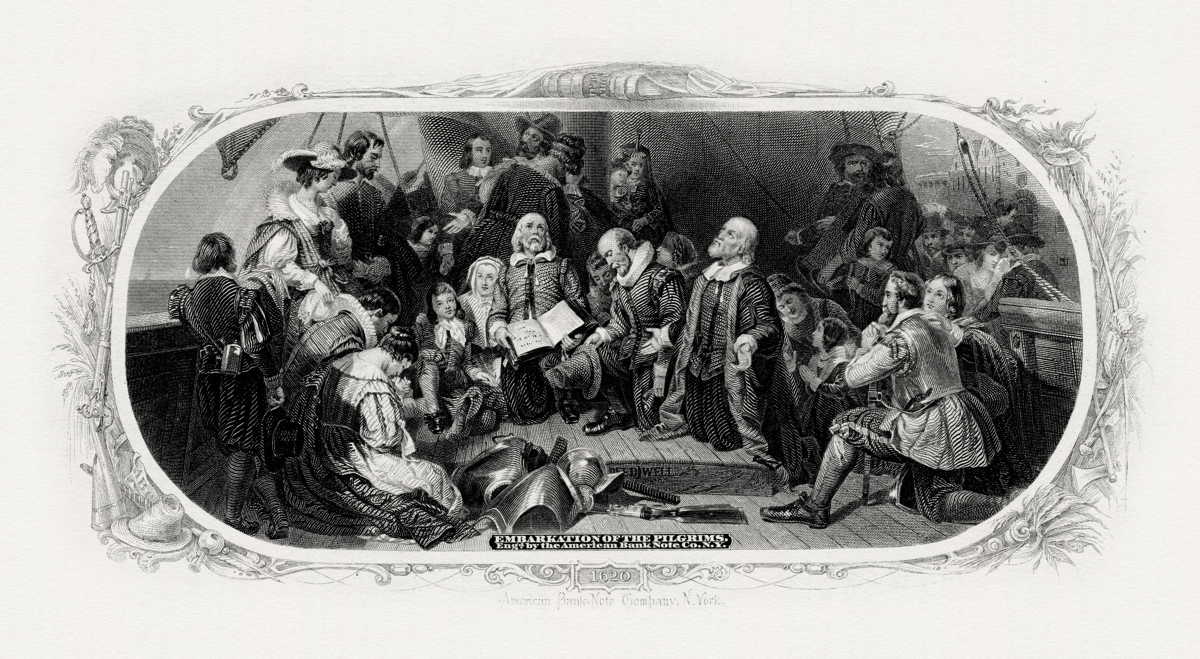
At the core of colonial literature is the depiction of power. This power is not merely political; it extends to cultural, social, and personal realms. Authors often dissect the imposition of foreign rule and its impact on local populations. Through novels, poetry, and essays, colonial literature exposes how power was wielded by the colonizers and contested by the colonized.
Resistance in Stories – Stories from regions like Africa, Asia, and the Americas often highlight resistance against the colonizers. For instance, Ngũgĩ wa Thiong’o from Kenya uses his works to showcase how cultural resistance plays a pivotal role in undermining colonial power. His novels often explore how reclaiming native languages and traditions can be a form of resistance against the cultural domination imposed by colonizers.
Identity and Power – Identity is another recurring theme. Colonial literature reveals how colonial rule reshaped the identities of the colonized, often forcing them to navigate between their indigenous cultures and the imposed foreign elements. This dual identity can create a sense of loss but also a unique, hybrid identity, as seen in the works of authors like Salman Rushdie and V.S. Naipaul.
Colonial Literature: Identity and Self-Perception
The Crisis of Identity – Colonial literature often portrays the psychological and emotional turmoil of characters who are caught between two worlds. The works of Jhumpa Lahiri, for example, vividly capture the diasporic identity—always between departure and arrival, belonging and isolation.
Reclaiming Identity – As post-colonial theories emerged, writers began using literature to reclaim their identities and histories that were distorted or erased by colonial narratives. Caribbean writer Derek Walcott’s poetry, for instance, delves into the Caribbean’s colonial past to forge a narrative that is distinctly his own, blending the lore of the islands with their colonial history.
Resistance: The Heartbeat of Colonial Literature
Resistance in colonial literature is not always overt; it can be subtle, hidden in the cultural nuances and everyday acts of defiance by the colonized. This literature often highlights the undercurrents of resistance that eventually lead to larger movements and, in some cases, independence.
Subtle Forms of Resistance – In many colonial narratives, there are glimpses of resistance in the form of satire, irony, or folklore that critique the colonizer’s authority. These literary devices become weapons in the subtle fight against domination.
Heroic Tales of Resistance – Conversely, there are also more direct forms of resistance depicted in literature. These can be epic tales of battles, revolts, or individuals standing up against injustice. Such narratives not only inspire but also serve as a reminder of the struggles endured by the colonized.
The Role of Colonial Literature Today
Educational Tool – Today, colonial literature serves as an educational tool that helps readers understand the complexities of history not just from the perspective of those who held power, but from those who were subjected to it. It offers insights into the mistakes of the past, serving as a guide for future generations.
Literature as Reflection – Moreover, revisiting colonial literature today allows for a reflection on current global dynamics. The themes of power, identity, and resistance remain relevant as new forms of colonialism and cultural domination emerge.
In conclusion, colonial literature is not just about the historical conflicts between colonizers and the colonized. It is a continuous exploration of the deeper themes of power, identity, and resistance. Through its narratives, we learn more about our past and, more importantly, about ourselves. This genre remains a key tool in understanding not only where we have come from but also where we are going, offering endless lessons on resilience and the human spirit.
Penulis

Related Posts
 Kuliah Perdana Menjadi Langkah Awal Mahasiswa Mengenal Sistem Belajar dan Kehidupan Kampus
 Ilmu Kesehatan Anak Membantu Mahasiswa Memahami Kesehatan dan Perawatan Anak Sejak Dini
 Sosial Ekonomi Perikanan Membantu Mahasiswa Memahami Usaha, Masyarakat, dan Kehidupan di Sektor Perikanan
 Manajemen Pariwisata Membantu Mahasiswa Memahami Cara Mengelola Usaha dan Layanan Wisata