
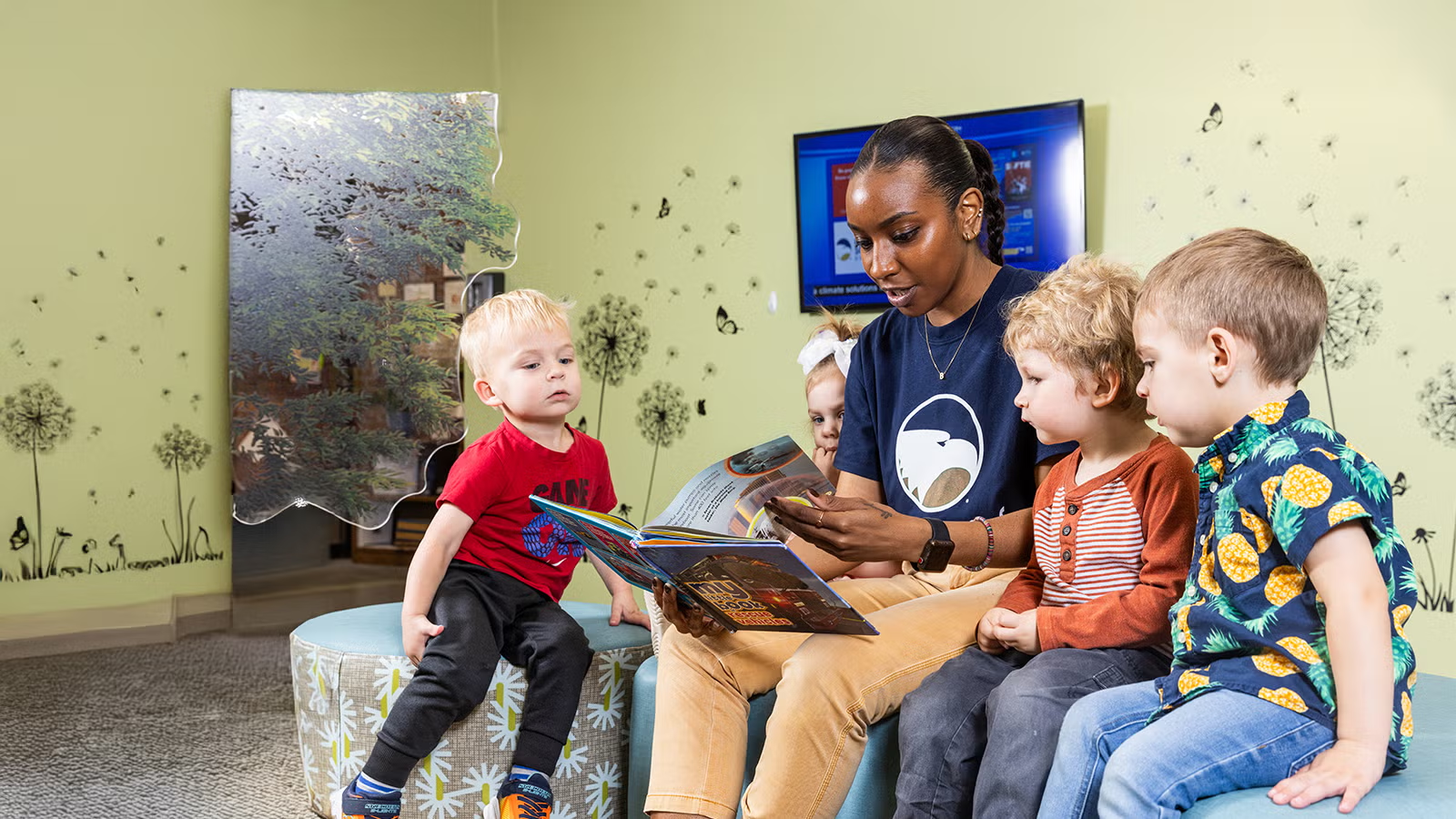
Jakarta, inca.ac.id – At first glance, Child Development and college may seem like topics that belong to different stages of life. Child development is usually associated with early learning, parenting, and formative years, while college is often viewed as a space for adult independence and specialized education. But the connection becomes clearer when college is understood as a place where future educators, caregivers, counselors, researchers, and parents develop the knowledge needed to support children effectively. In that sense, child development in college is not about children attending college. It is about how higher education helps students understand and nurture the growth of children through study, training, and professional preparation.
Why Child Development Matters in College
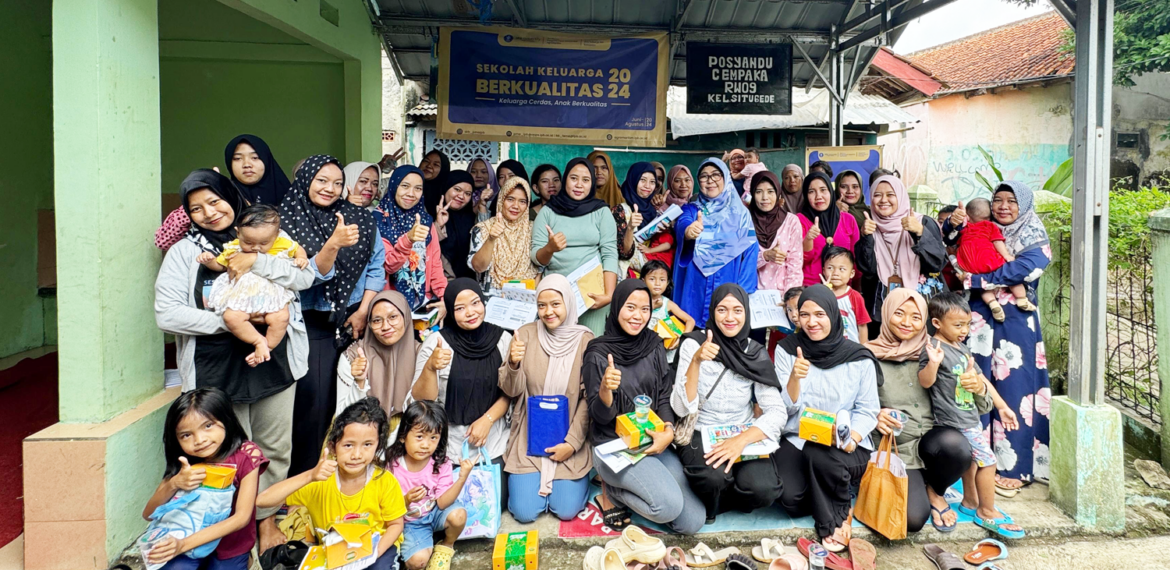
In my experience, Child Development matters in college because understanding how children grow is essential in many academic and professional fields. Students preparing for careers in education, psychology, social work, healthcare, counseling, family studies, and community services need a strong foundation in how children develop cognitively, emotionally, socially, and physically.
This becomes especially important because working with children requires more than good intentions. It demands informed understanding. College provides a setting where students can study developmental theory, observe behavior, learn research-based practices, and reflect on how environments influence growth. That preparation can shape how future professionals respond to learning needs, emotional challenges, family dynamics, and developmental milestones.
There is also a strong connection to human Knowledge and social responsibility here. Child development in college supports better caregiving, better teaching, and better institutional support for young people.
My Perspective on Child Development in Higher Education
What changed my understanding of Child Development was realizing that it is not just a specialized academic subject. It is a framework for understanding how humans grow, learn, and respond to the world. At first, child development may seem mainly relevant to those who plan to work directly with children. But over time, I came to see that it also deepens broader understanding of learning, emotional growth, family systems, and human behavior.
That is what makes this topic meaningful to me. Child development in college is not only about training for child-focused professions. It is about building informed, compassionate perspectives that can shape education and care more responsibly.
Core Areas of Child Development Studied in College
I think the value of Child Development becomes easier to understand when its main areas are broken down clearly.
Cognitive development
Students learn how children think, learn, remember, and solve problems over time.
Emotional development
This area explores feelings, regulation, attachment, and emotional expression.
Social development
Students examine peer interaction, family influence, identity, and communication.
Physical development
This includes growth, motor skills, health, and biological maturation.
Language development
Learners study how children acquire and use language for communication and learning.
Environmental influence
College courses often explore how home, school, culture, and society shape child outcomes.
Common Challenges in Studying Child Development
I have noticed that Child Development in college also involves complexities and challenges.
Theory versus practice
Students may understand concepts academically but struggle to apply them in real settings.
Diverse developmental pathways
Children do not all grow in the same way or at the same pace.
Cultural variation
Development must be understood within social and cultural context.
Emotional sensitivity
Topics involving trauma, neglect, or inequality can be difficult but necessary to confront.
Need for observation and experience
Classroom learning is often strongest when combined with practicum or fieldwork.
Practical Value of Child Development in College
I believe Child Development offers lasting value because it helps students move from abstract concern for children to informed support.
It improves professional preparation
Students gain knowledge needed for child-centered careers.
It strengthens empathy
Understanding development fosters patience and compassion.
It supports better decision-making
Future professionals can respond more appropriately to children’s needs.
It connects research with care
Students learn to use evidence-based approaches rather than assumptions.
It shapes long-term social impact
Better understanding of child development can improve education, family support, and community services.
Below is a simple overview of how child development study in college supports future practice:
| Child Development Area | Why It Matters | Example in Practice |
|---|---|---|
| Cognitive development | Helps explain how children learn | A future teacher adapts instruction to match developmental readiness |
| Emotional development | Supports healthy emotional care | A counselor-in-training recognizes signs of emotional distress |
| Social development | Clarifies how relationships shape growth | A student learns how peer interaction affects behavior |
| Language development | Improves communication support | An educator plans activities that strengthen early language skills |
| Environmental influence | Shows how context affects outcomes | A social work student examines how family and school environments shape development |
These examples show that child development in college is not simply an academic topic. It is a practical and deeply important field of study that prepares students to support children more effectively.
Why Child Development Matters Beyond the Classroom
I think Child Development matters because children’s early experiences influence learning, behavior, health, and opportunity in lasting ways. When college students understand development more deeply, they are better prepared to become responsible professionals, thoughtful caregivers, and informed members of society. Higher education plays an important role in making that understanding more rigorous and actionable.
That broader significance is what makes this topic so valuable. Child development in college is not only about academic study. It is about preparing people to nurture growth in meaningful and informed ways.
Final Thoughts
For me, Child Development is an essential field of study in college because it helps students understand how children grow, what they need, and how adults can support them responsibly. It connects theory, observation, empathy, and professional preparation in a way that has lasting human value.
That is why it matters so much. Child development is not simply a subject in higher education. It is a foundation for nurturing growth in college and beyond.
Explore our “”Knowledge“” category for more insightful content
Don't forget to check out our previous article: Career Workshops: Preparing for the Job Market
Penulis

#Child Development #child growth #child psychology #college education #developmental studies #early learning #education careers #student preparation
Related Posts
 Kuliah Perdana Menjadi Langkah Awal Mahasiswa Mengenal Sistem Belajar dan Kehidupan Kampus
 Ilmu Kesehatan Anak Membantu Mahasiswa Memahami Kesehatan dan Perawatan Anak Sejak Dini
 Sosial Ekonomi Perikanan Membantu Mahasiswa Memahami Usaha, Masyarakat, dan Kehidupan di Sektor Perikanan
 Manajemen Pariwisata Membantu Mahasiswa Memahami Cara Mengelola Usaha dan Layanan Wisata