

Jakarta, inca.ac.id – When I think about what gives leadership real credibility in academic and professional settings, Business Ethics stands out as one of the most important foundations. At university, students are not only learning technical knowledge or preparing for future careers. They are also developing values, judgment, and habits that will shape how they lead, collaborate, and make decisions. That is why business ethics matters so much in higher education. To me, it represents the point where knowledge meets responsibility, and where ambition is guided by integrity rather than self-interest alone.
Why Business Ethics Matters
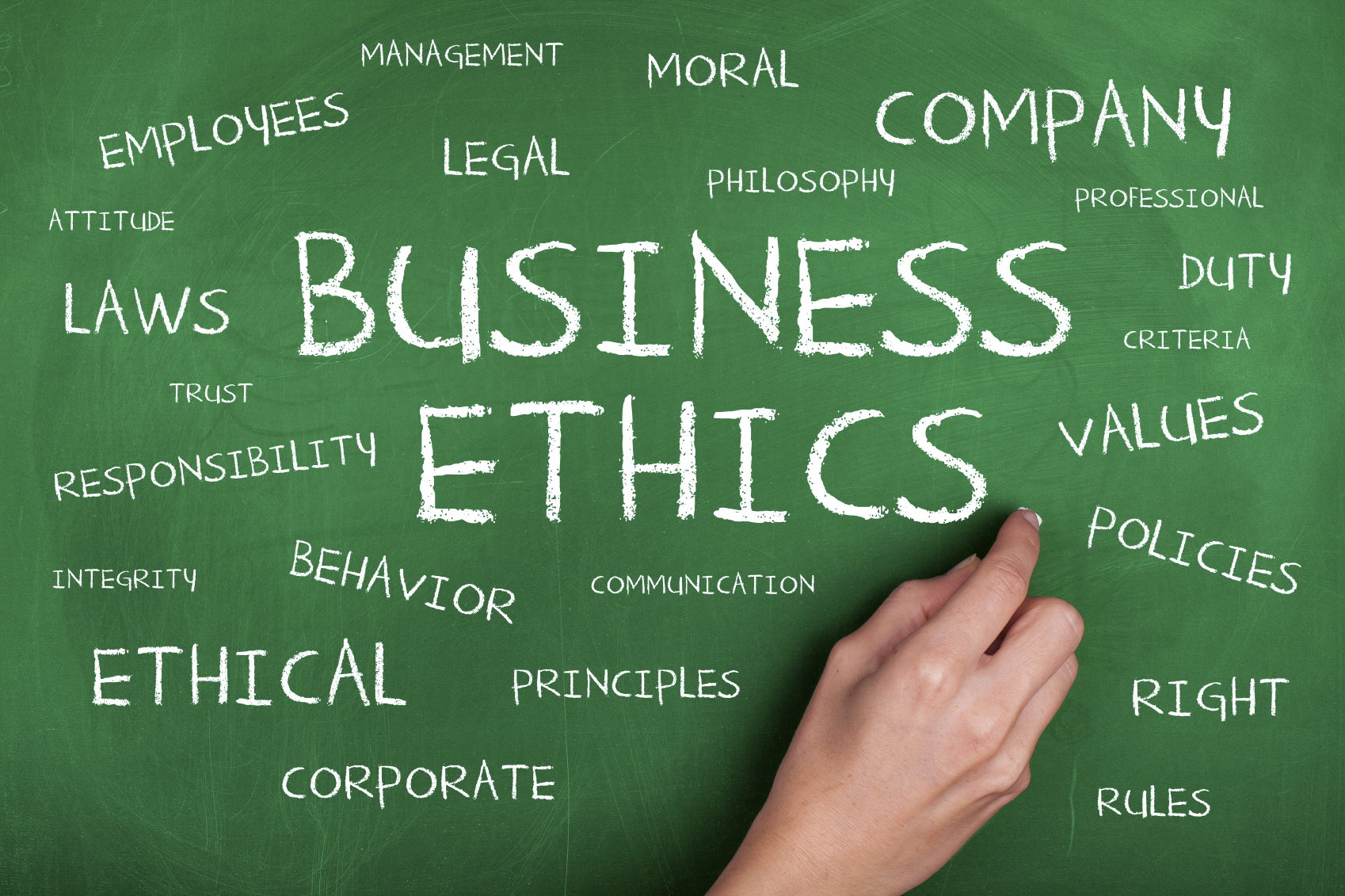
In my experience, Business Ethics matters because universities are places where future leaders begin to form their professional identities. Students studying business, management, finance, marketing, or entrepreneurship will eventually enter workplaces where their decisions can affect employees, customers, communities, and institutions. If ethical thinking is weak, technical skill alone is not enough.
This is especially important because modern organizations face difficult questions involving fairness, transparency, accountability, sustainability, and social responsibility. Universities that emphasize business ethics help students prepare for those realities before they enter the workforce. They encourage students to think not only about what is profitable or efficient, but also about what is right.
There is also a strong connection to professional Knowledge here. Business ethics draws from philosophy, management, law, communication, leadership, and organizational behavior in ways that shape both personal character and professional judgment.
My Perspective on Leading with Integrity
What changed my understanding of Business Ethics was realizing that ethics is not just about avoiding obvious wrongdoing. At first, it may seem like business ethics mainly deals with major scandals, corruption, or dishonest behavior. But over time, I came to see that it is also about everyday decisions. It is reflected in how people communicate, how they handle responsibility, how they treat others, and how they respond when facing pressure or uncertainty.
That is what makes business ethics meaningful to me. It teaches that leadership is not measured only by results. It is also measured by the values and principles behind those results. In a university setting, that lesson is especially powerful because students are still forming the habits they will carry into professional life.
Core Elements of Business Ethics
I think Business Ethics becomes easier to understand when its core elements are broken down clearly.
Integrity
Acting honestly and consistently, even when no one is watching.
Accountability
Taking responsibility for decisions, actions, and outcomes.
Fairness
Treating people equitably and making decisions without bias or exploitation.
Transparency
Communicating openly and truthfully in academic and organizational settings.
Respect
Valuing others’ rights, perspectives, and dignity.
Social responsibility
Recognizing that business decisions can affect society beyond immediate financial outcomes.
Common Challenges in Business Ethics
I have noticed that students and future professionals often face recurring challenges with Business Ethics.
Pressure to succeed
Competition can tempt people to prioritize results over principles.
Gray areas
Not every ethical issue is obvious or easy to resolve.
Conflicts of interest
Personal benefit may interfere with objective decision-making.
Cultural and institutional differences
Ethical expectations may vary across settings, creating complexity.
Short-term thinking
Immediate gains can distract from long-term responsibility and trust.
Practical Value of Business Ethics
I believe Business Ethics offers lasting value when it is taught as a practical and lived part of education.
It builds trust
Ethical behavior strengthens credibility in teams and institutions.
It improves decision-making
Students learn to consider consequences, values, and responsibilities.
It supports responsible leadership
Ethics helps future leaders act with consistency and integrity.
It strengthens professional culture
Organizations benefit when ethical standards are taken seriously.
It prepares students for real-world complexity
Business ethics equips learners to handle difficult situations thoughtfully.
Below is a simple overview of how business ethics supports leadership at university:
| Business Ethics Element | Why It Matters | Example in Practice |
|---|---|---|
| Integrity | Builds personal and professional credibility | Refusing to falsify project data to improve results |
| Accountability | Encourages responsibility | Admitting mistakes in a team assignment and correcting them |
| Fairness | Promotes equitable treatment | Evaluating group contributions honestly and without favoritism |
| Transparency | Supports trust and openness | Clearly communicating decisions in student organizations |
| Social responsibility | Connects leadership to wider impact | Considering community impact in a business case study |
These elements show that business ethics is not only about avoiding misconduct. It is about shaping leaders who can act responsibly, think critically, and earn the trust of others.
Why Business Ethics Matters Beyond University
I think Business Ethics matters because university is often the training ground for future influence. The habits students develop in academic settings can carry directly into companies, public institutions, and entrepreneurial ventures. When ethics is taken seriously early, it becomes easier to lead with integrity later.
That broader significance is what makes this topic so valuable. Business ethics is not only an academic subject. It is part of how society prepares people to lead responsibly in complex professional environments.
Final Thoughts
For me, Business Ethics is one of the most important subjects in university education because it teaches students how to connect ambition with principle. It reminds future professionals that success is not only about achievement, but also about how that achievement is pursued.
That is why it matters so much. Business ethics is not simply about rules or compliance. It is about leading with integrity in ways that deserve trust
Explore our “Knowledge” category for more insightful content!
Don't forget to check out our previous article: Fisheries Science: Managing Aquatic Resources at University
Penulis

#accountability #Business Ethics #Ethical leadership #integrity at university #professional values #Social Responsibility #student responsibility #transparency
Related Posts
 Kuliah Perdana Menjadi Langkah Awal Mahasiswa Mengenal Sistem Belajar dan Kehidupan Kampus
 Ilmu Kesehatan Anak Membantu Mahasiswa Memahami Kesehatan dan Perawatan Anak Sejak Dini
 Sosial Ekonomi Perikanan Membantu Mahasiswa Memahami Usaha, Masyarakat, dan Kehidupan di Sektor Perikanan
 Manajemen Pariwisata Membantu Mahasiswa Memahami Cara Mengelola Usaha dan Layanan Wisata