1. The Importance of Building Knowledge in Construction
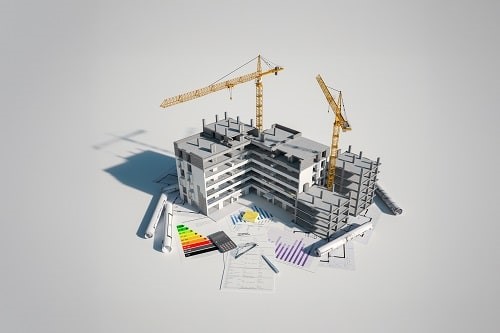
Building knowledge is essential for the construction industry as it fosters a culture of learning and adaptation. With rapid changes in technology and environmental standards, staying informed about new practices is crucial for success.
Key Benefits of Building Knowledge:
- Enhanced Efficiency: Innovative practices lead to more efficient construction processes, reducing time and costs.
- Improved Safety: Knowledge sharing about best practices and safety protocols helps minimize risks on job sites.
- Sustainability: Innovations in materials and practices contribute to more sustainable construction methods, reducing environmental impact.
2. Innovations in Construction Practices
Several key innovations are shaping the construction industry today, contributing to the building of knowledge and improving overall practices:
– Building Information Modeling (BIM)
BIM is a digital representation of the physical and functional characteristics of a building. It allows for better collaboration among stakeholders, improved visualization, and enhanced project management.
Example: Using BIM, architects, engineers, and contractors can collaborate in real time, identifying potential issues before construction begins, thus reducing costly changes during the building process.
– Modular and Prefabricated Construction
Modular construction involves assembling building components off-site and transporting them to the construction site for quick assembly. This method reduces construction time and waste.
Insight: By utilizing prefabricated components, projects can be completed faster and with higher quality control, leading to significant cost savings and efficiency improvements.
3. Sustainable Building Practices
Sustainability is a critical focus in modern construction practices. Innovations in this area contribute to building knowledge about environmentally friendly techniques and materials.
– Green Building Materials
The use of sustainable materials, such as recycled steel, bamboo, and low-VOC paints, is gaining traction in the construction industry. These materials reduce environmental impact and promote healthier living spaces.
Tip: When selecting materials, consider their lifecycle impacts, including sourcing, manufacturing, and disposal.
– Energy-Efficient Design
Incorporating energy-efficient designs, such as passive solar heating, natural ventilation, and high-performance insulation, helps reduce energy consumption and costs.
Example: Buildings designed with energy efficiency in mind can significantly lower utility bills and reduce the carbon footprint.
4. Technology Integration in Construction
Technology plays a vital role in enhancing construction practices and building knowledge. Here are some key technological innovations:
– Drones and Aerial Imaging
Drones are increasingly used for site surveys, monitoring progress, and conducting inspections. They provide real-time data and high-resolution images, improving project oversight.
Insight: Utilizing drones can enhance safety by reducing the need for workers to access hazardous areas during inspections.
– 3D Printing
3D printing technology is emerging as a revolutionary method for constructing building components and even entire structures. It allows for rapid prototyping and customization.
Example: 3D-printed homes can be built in a fraction of the time and cost compared to traditional construction methods, showcasing the potential for innovation in housing.
5. Continuous Learning and Knowledge Sharing
Building knowledge in construction requires a commitment to continuous learning and sharing of information among industry professionals.
– Training and Development Programs
Investing in training programs for workers and management ensures that everyone is up-to-date with the latest practices and technologies. This investment in human capital is crucial for fostering a knowledgeable workforce.
Tip: Encourage participation in workshops, seminars, and online courses focused on new construction methodologies and technologies.
– Collaboration and Networking
Fostering collaboration among industry stakeholders, including contractors, architects, suppliers, and clients, enhances knowledge sharing and innovation.
Example: Establishing industry partnerships and participating in construction forums can lead to the exchange of ideas and best practices, driving innovation forward.
6. Conclusion
Building knowledge through innovations in construction practices is essential for the industry’s growth and sustainability. By embracing new technologies, sustainable practices, and continuous learning, construction professionals can enhance efficiency, safety, and environmental responsibility.
As the construction landscape continues to evolve, staying informed and adaptable will be key to success. By prioritizing building knowledge, industry stakeholders can not only improve their practices but also contribute to a more sustainable and innovative future in construction. Embrace the changes and advancements in the field, and be part of the movement towards a smarter, more efficient construction industry!



 Kuliah Perdana Menjadi Langkah Awal Mahasiswa Mengenal Sistem Belajar dan Kehidupan Kampus
 Ilmu Kesehatan Anak Membantu Mahasiswa Memahami Kesehatan dan Perawatan Anak Sejak Dini
 Sosial Ekonomi Perikanan Membantu Mahasiswa Memahami Usaha, Masyarakat, dan Kehidupan di Sektor Perikanan
 Manajemen Pariwisata Membantu Mahasiswa Memahami Cara Mengelola Usaha dan Layanan Wisata