
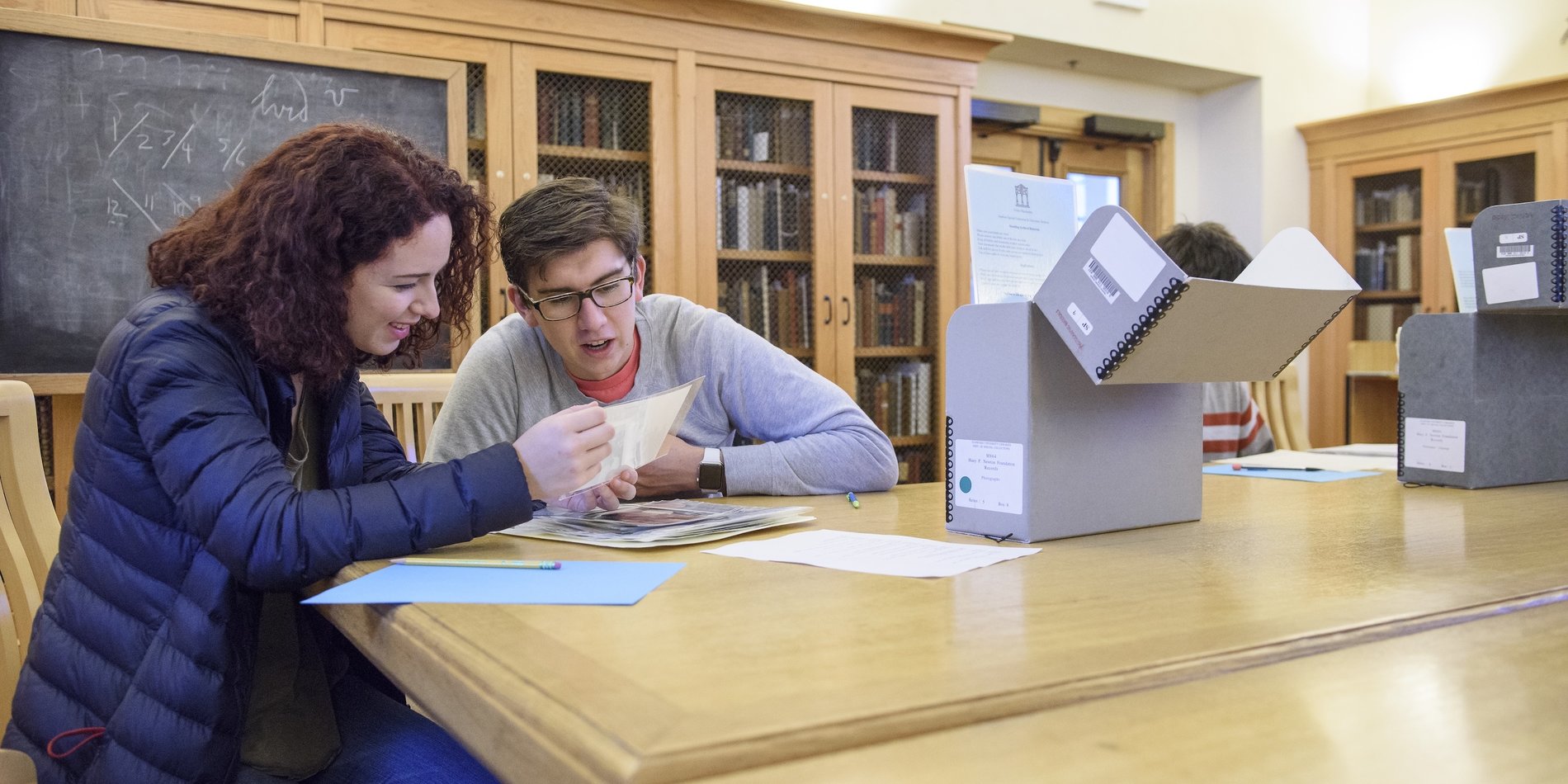
JAKARTA, inca.ac.id – Archival Research: Unearthing Records in College was something I never thought would seriously up my academic life. I used to get stuck with Google and journal databases, not realizing that right in my campus basement, precious records were gathering dust—and serious untapped Knowledge! If you’re anything like me, you might be sleeping on a total goldmine just because you haven’t tried archival digging yet.
Archival research is a powerful method of inquiry that involves examining historical documents, records, and artifacts to gain insights into specific topics or events. For college students, engaging in archival research can significantly enhance their academic work, providing a deeper understanding of their subjects and enriching their overall educational experience. This article explores the importance of archival research, the types of materials one might encounter, and how to effectively conduct archival research to transform your study game.
1. The Importance of Archival Research in College
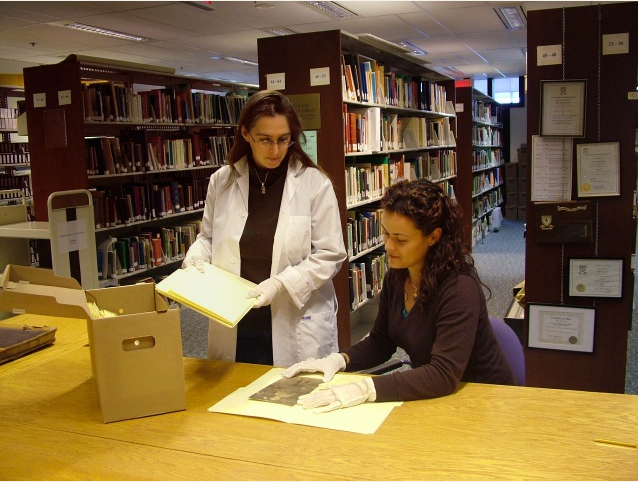
Archival research offers several key benefits for students:
a. Access to Primary Sources
- Authenticity: Archival research allows students to work with primary sources, which are original documents or artifacts created during the time period being studied. This authenticity provides a unique perspective that secondary sources often lack.
- Rich Contextual Understanding: Engaging with primary sources helps students understand the historical context and nuances of their subjects, leading to richer analyses and interpretations in their work.
b. Development of Critical Skills
- Analytical Thinking: Conducting archival research hones critical thinking skills as students analyze and interpret complex documents, discerning their relevance and significance.
- Research Methodology: Students learn valuable research methodologies, including how to locate, evaluate, and synthesize information from various archival materials.
2. Types of Materials in Archival Research
When conducting archival research, students may encounter a wide range of materials, including:
a. Manuscripts and Letters
- Personal Correspondence: Letters, diaries, and personal papers provide intimate insights into individuals’ thoughts, experiences, and historical events.
- Official Documents: Manuscripts such as government records, meeting minutes, and organizational documents can offer detailed information about policies, decisions, and societal changes.
b. Photographs and Visual Media
- Historical Photographs: Archival collections often include photographs that capture key moments, people, and places, adding a visual dimension to research.
- Maps and Charts: Historical maps and charts can provide geographical context and illustrate changes over time, enhancing understanding of spatial relationships.
c. Audio and Video Recordings
- Oral Histories: Audio recordings of interviews and oral histories can provide firsthand accounts and personal narratives that enrich historical understanding.
- Documentaries and Films: Archival video materials can serve as valuable resources for studying cultural trends and historical events.
3. How to Conduct Effective Archival Research
To successfully conduct archival research, follow these steps:
a. Identify Your Research Question
- Narrow Your Focus: Begin by formulating a clear research question or hypothesis. A well-defined question will guide your search for relevant archival materials.
- Background Research: Conduct preliminary research to gain a foundational understanding of your topic, which will help you identify potential archival sources.
b. Locate Archival Collections
- University Archives: Many colleges and universities have their own archives or special collections. Visit your institution’s library website to explore available resources.
- Public Archives and Libraries: National and regional archives, public libraries, and historical societies often have extensive collections that can be accessed for research purposes.
c. Engage with the Materials
- Review and Analyze: Once you have access to archival materials, take the time to review and analyze them thoroughly. Pay attention to details, context, and connections to your research question.
- Take Detailed Notes: Document your findings meticulously, including citations for each source. This will be invaluable when writing your research paper or project.
4. Conclusion
In conclusion, archival research is a transformative approach that can significantly enhance your academic experience in college. By unearthing primary sources and engaging with historical records, students can gain deeper insights into their subjects, develop critical research skills, and produce more compelling analyses.
The journey of conducting archival research not only enriches your understanding of history but also fosters a sense of connection to the past. As you explore the wealth of materials available in archives, you will undoubtedly find that this method of inquiry can change your study game for the better, leading to more informed and impactful academic work. Embrace the opportunity to delve into archival research and discover the hidden narratives that await you in the records of history.
Explore our “Knowledge” category for more insightful content!
Don't forget to check out our previous article: Legal Foundations: Understanding Justice in College
Penulis

#academic hacks #archival research #College Tips #research records #Study Tips
Related Posts
 Kuliah Perdana Menjadi Langkah Awal Mahasiswa Mengenal Sistem Belajar dan Kehidupan Kampus
 Ilmu Kesehatan Anak Membantu Mahasiswa Memahami Kesehatan dan Perawatan Anak Sejak Dini
 Sosial Ekonomi Perikanan Membantu Mahasiswa Memahami Usaha, Masyarakat, dan Kehidupan di Sektor Perikanan
 Manajemen Pariwisata Membantu Mahasiswa Memahami Cara Mengelola Usaha dan Layanan Wisata