
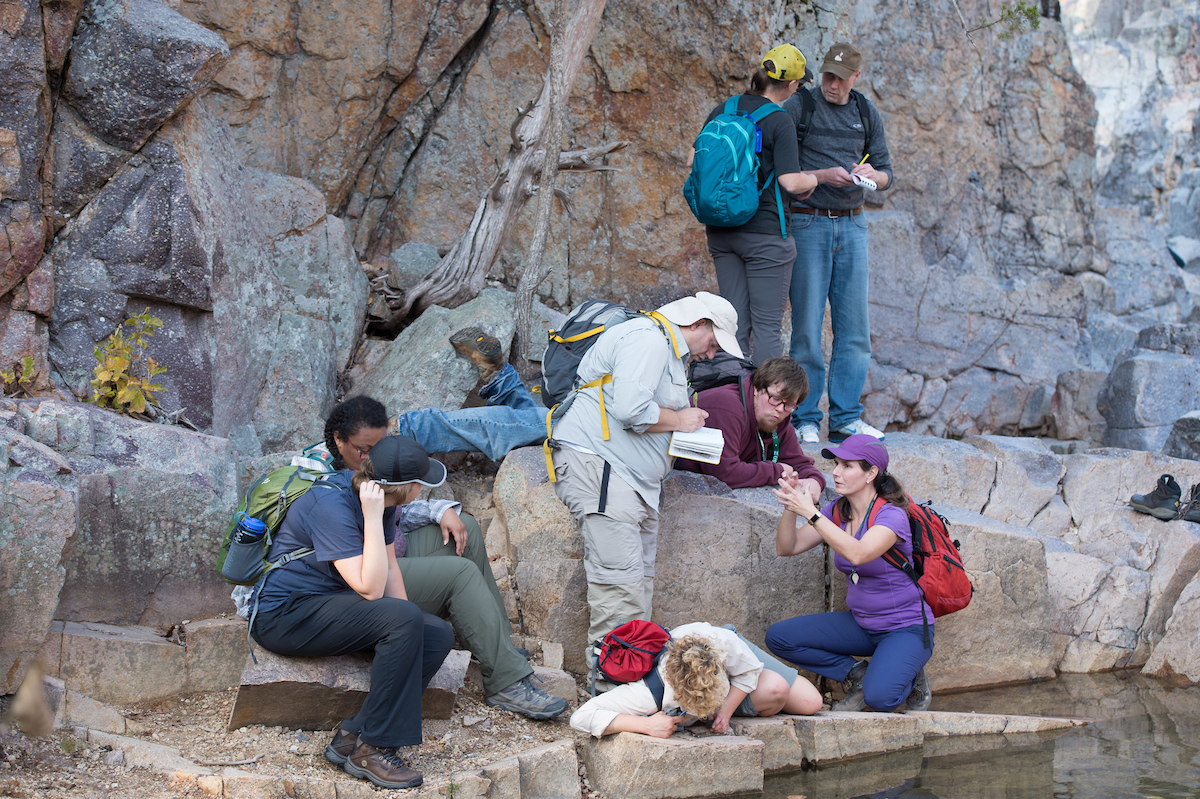
JAKARTA, inca.ac.id – Geological Formations: Studying Earth’s History in College literally rocked my world (pun intended). When I first stepped into that geology class, honestly, I just thought, “Cool, I get to go on field trips and look at some rocks.” Oh boy, I was in for a ride! If you’re thinking about taking this subject, strap in!
Geological formations are essential to understanding the Earth’s history, as they provide valuable insights into the processes that have shaped our planet over millions of years. Studying these formations in college allows students to explore the intricate details of Earth’s geological past, including the evolution of landscapes, the development of ecosystems, and the impact of climatic changes. This article discusses the significance of geological formations, the methods used to study them, and how college programs can enhance students’ understanding of Earth’s history.
The Significance of Geological Formations
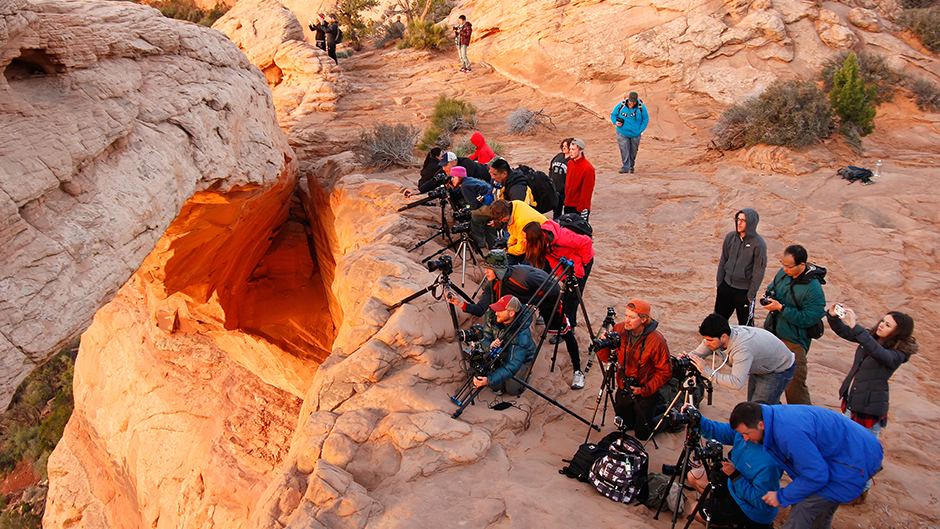
Geological formations are layers of rock or sediment that have distinct characteristics and histories. They are crucial for several reasons:
a. Understanding Earth’s History
- Chronological Record: Geological formations serve as a chronological record of Earth’s history, documenting significant events such as volcanic eruptions, sediment deposition, and tectonic movements.
- Fossil Evidence: Many formations contain fossils, providing insights into past life forms and the evolution of species over time. This information is vital for understanding biological and ecological changes throughout history.
b. Natural Resources
- Resource Identification: Geological formations are key to identifying and extracting natural resources, including minerals, fossil fuels, and groundwater. Understanding the geology of an area can lead to more efficient resource management.
- Environmental Impact: Studying geological formations helps assess the environmental impact of resource extraction and informs sustainable practices for land use and conservation.
Methods of Studying Geological Formations
Students studying geological formations employ various methods to analyze and interpret the Earth’s layers:
a. Field Studies
- Fieldwork: Field studies involve direct observation and sampling of geological formations in their natural settings. Students learn to identify rock types, structures, and fossils, gaining hands-on experience in geological mapping and data collection.
- Geological Surveys: Conducting geological surveys allows students to document the characteristics of formations, including their composition, age, and distribution.
b. Laboratory Analysis
- Petrographic Analysis: In the lab, students use petrographic microscopes to analyze thin sections of rocks, studying their mineral composition and texture.
- Geochemical Testing: Chemical analysis of rock samples can reveal information about the formation’s history, including past environmental conditions and processes.
c. Remote Sensing and Geographical Information Systems (GIS)
- Remote Sensing: uses satellite imagery and aerial photography to examine geological formations from afar, enabling the analysis of vast or otherwise inaccessible regions.
- GIS: Geographic Information Systems enable students to visualize and analyze geological data spatially, facilitating the interpretation of relationships between different formations and their environments.
Educational Programs in Geological Studies
Colleges and universities offer various programs that focus on geological formations and Earth sciences:
a. Degree Programs
- Geology: A dedicated geology program provides a comprehensive understanding of Earth’s processes, materials, and history, including courses on sedimentology, paleontology, and mineralogy.
- Environmental Science: Programs in environmental science often include geology courses, emphasizing the relationship between geological formations and environmental issues such as climate change and resource management.
b. Research Opportunities
- Undergraduate Research: Many colleges encourage undergraduate students to participate in research projects related to geological formations, allowing them to contribute to ongoing studies and gain valuable experience.
- Field Camps: Field camps provide immersive experiences where students can apply their knowledge in real-world settings, conducting research on geological formations and developing practical skills.
Conclusion
In conclusion, geological formations are vital to studying Earth’s history and understanding the processes that have shaped our planet. College programs focused on geology and Earth sciences provide students with the knowledge and skills necessary to explore these formations, offering insights into the past and informing future resource management and environmental practices.
By engaging in field studies, laboratory analysis, and utilizing modern technologies, students can deepen their understanding of geological formations and their significance. As future geologists and environmental scientists, they will play a crucial role in uncovering the mysteries of Earth’s history and addressing the challenges posed by a changing environment. Embracing the study of geological formations equips students with the tools to contribute meaningfully to our understanding of the Earth and its resources.
Explore our “Knowledge” category for more insightful content!
Don't forget to check out our previous article: Archival Research: Unearthing Records in College
Penulis

#college #Earth Science #Earth's History #Geological Formations #Geology #student life #Study Tips
Related Posts
 Kuliah Perdana Menjadi Langkah Awal Mahasiswa Mengenal Sistem Belajar dan Kehidupan Kampus
 Ilmu Kesehatan Anak Membantu Mahasiswa Memahami Kesehatan dan Perawatan Anak Sejak Dini
 Sosial Ekonomi Perikanan Membantu Mahasiswa Memahami Usaha, Masyarakat, dan Kehidupan di Sektor Perikanan
 Manajemen Pariwisata Membantu Mahasiswa Memahami Cara Mengelola Usaha dan Layanan Wisata