
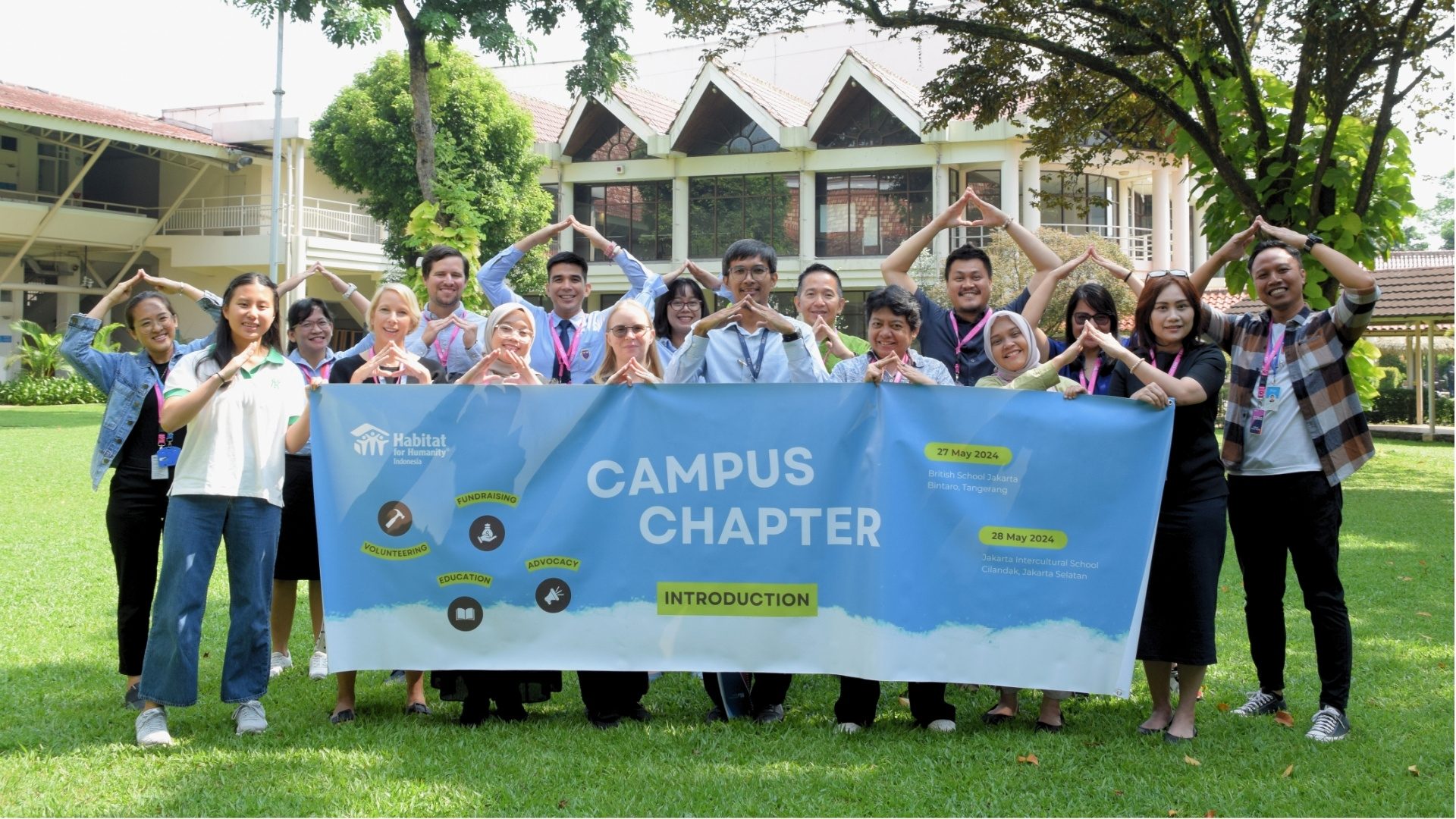
Jakarta, inca.ac.id – University life is often described in terms of classes, grades, deadlines, and future careers. But some of the most meaningful growth happens outside formal academic routines, especially when students choose to serve others through organized programs and shared effort. That is where Campus Volunteering becomes especially valuable. It gives students a chance to contribute to their community while also developing as individuals. To me, campus volunteering is student participation in organized service activities, outreach efforts, or support programs connected to university life or the wider community.
Why Campus Volunteering Matters

In my experience, Campus Volunteering matters because it shifts student involvement from passive presence to active contribution. Instead of only attending university, students begin to participate in the life around them in more intentional ways. They help with events, outreach programs, peer support initiatives, community projects, awareness campaigns, and other forms of service that benefit people beyond themselves.
This becomes especially important because university can sometimes feel highly individualistic. Students focus on assignments, schedules, and personal goals, which is understandable. But volunteering creates a different perspective. It reminds students that learning also includes empathy, responsibility, cooperation, and social awareness. These are not side lessons. They are part of becoming a well-rounded person.
There is also a strong connection to student Knowledge, empathy, leadership, teamwork, civic responsibility, self-awareness, communication, and community engagement here. Good campus volunteering is not simply unpaid activity. It is a meaningful form of participation that supports both service and personal growth.
My Perspective on Volunteer Involvement
What changed my understanding of Campus Volunteering was realizing that its strongest rewards are often internal rather than visible. At first, some may think volunteer work mainly matters because it looks good on a résumé or fills extracurricular requirements. But over time, I came to see that the more lasting value often comes from what students learn about themselves. They discover how they respond to responsibility, how they work with others, how they manage discomfort, and how service can deepen perspective.
That is what makes this topic meaningful to me. Campus volunteering is not only about helping others. It is also about becoming more thoughtful, capable, and grounded through meaningful action.
Personal Growth Benefits of Campus Volunteering
I think the value of Campus Volunteering becomes clearer when its personal development benefits are broken down directly.
Stronger empathy
Students become more aware of different experiences and needs.
Better communication
Volunteer work often requires listening, explaining, and cooperating.
Increased confidence
Taking action and contributing meaningfully builds self-belief.
Greater responsibility
Students learn to show up, follow through, and support shared goals.
Stronger teamwork
Volunteer settings often depend on cooperation and adaptability.
Deeper sense of purpose
Service can make university life feel more connected and meaningful.
Common Challenges in Campus Volunteering
I have noticed that Campus Volunteering also comes with some challenges.
Time pressure
Students may struggle to balance service with academic demands.
Inconsistent commitment
Some participants join enthusiastically but do not stay engaged.
Emotional fatigue
Certain service experiences can be demanding.
Limited reflection
Without reflection, students may miss the deeper lessons of service.
Overextension
Taking on too many activities can reduce the value of each one.
Practical Ways to Gain More from Volunteer Programs
I believe Campus Volunteering becomes more meaningful when students approach it with intention.
Choose causes that matter personally
Connection to the work improves commitment.
Be reliable
Growth often comes from steady follow-through, not occasional participation.
Reflect on the experience
Students should think about what they learned, not just what they did.
Stay open to different people
Volunteer work often expands social understanding.
Balance service with academic life
Meaningful involvement works better than overcommitment.
Below is a simple overview of how campus volunteering supports personal growth:
| Campus Volunteering Benefit | Why It Matters | Example in Practice |
|---|---|---|
| Empathy | Expands understanding of others | A student volunteers in a peer-support or outreach program |
| Confidence | Builds trust in one’s abilities | A volunteer helps coordinate an event and handles responsibilities well |
| Communication | Strengthens interpersonal skills | Students explain activities clearly during a service project |
| Responsibility | Develops accountability | A volunteer arrives prepared and completes assigned tasks |
| Purpose | Deepens student engagement | Service helps a student feel more connected to university life |
These examples show that campus volunteering is not simply a charitable extra. It is a practical and meaningful way for students to grow through service, responsibility, and reflection.
Why Campus Volunteering Matters Beyond University
I think Campus Volunteering matters because its effects often continue long after graduation. Students who volunteer may carry stronger empathy, better teamwork habits, and a greater sense of civic responsibility into their careers and communities. They learn that contribution is not separate from success. In many ways, it strengthens it.
That broader significance is what makes this topic so valuable. Campus volunteering is not only about what students give. It is also about who they become in the process.
Final Thoughts
For me, Campus Volunteering is one of the most meaningful parts of university life because it connects service with personal development in a very direct way. It helps students build empathy, confidence, responsibility, and a deeper sense of purpose while contributing to something larger than themselves.
That is why it matters so much. Campus volunteering is not simply about joining volunteer programs. It is about growing into a more engaged, thoughtful, and capable person through meaningful service.
Explore our “”Knowledge“” category for more insightful content!
Don't forget to check out our previous article: Writing Portfolios: Building a Strong Writing Portfolio for Academic and Career Goals
Penulis

#Campus Volunteering #Community Engagement #empathy #leadership #Student Development #Student Growth #university volunteering #volunteer programs
Related Posts
 Kuliah Perdana Menjadi Langkah Awal Mahasiswa Mengenal Sistem Belajar dan Kehidupan Kampus
 Ilmu Kesehatan Anak Membantu Mahasiswa Memahami Kesehatan dan Perawatan Anak Sejak Dini
 Sosial Ekonomi Perikanan Membantu Mahasiswa Memahami Usaha, Masyarakat, dan Kehidupan di Sektor Perikanan
 Manajemen Pariwisata Membantu Mahasiswa Memahami Cara Mengelola Usaha dan Layanan Wisata