
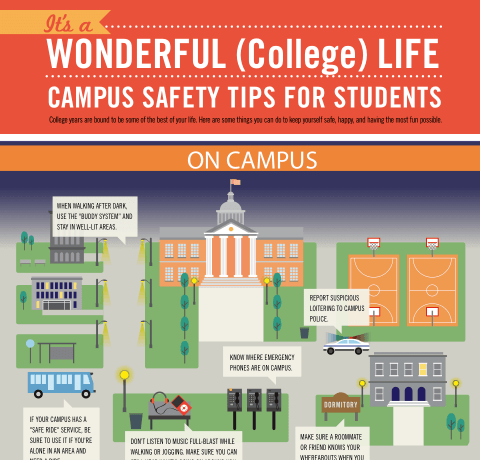
Jakarta, inca.ac.id – Starting university is an exciting step filled with new freedom, opportunities, and responsibilities. Along with academic goals and social experiences, personal security also becomes an important part of student life. That is why learning Campus safety Tips can make a real difference in helping university students feel more confident, aware, and prepared in daily situations. Campus life often involves busy schedules, unfamiliar places, late-night study sessions, and interactions with many new people, so staying alert matters.
Understanding Campus safety Tips does not mean living in fear. It means building smart habits that reduce risk and improve your ability to respond to unexpected situations. From walking safely at night to protecting your belongings and using campus resources, a few practical strategies can go a long way. Think of it as common sense with a backpack and a student ID.
Why Campus safety Tips Matter for Students
University campuses are designed to support learning and community, but they are still public environments where safety risks can exist. Students often move between dorms, lecture halls, libraries, parking lots, and public transport, sometimes at odd hours or under stress. Knowing Campus safety Tips helps students make better decisions in these settings.
Some key reasons campus safety matters include:
- Students may be living away from home for the first time
- Large campuses can be difficult to navigate
- Busy schedules may lead to distraction or fatigue
- Shared housing and public spaces require extra awareness
- Digital safety is also increasingly important in student life
Being proactive about safety supports both peace of mind and independence.
Essential Campus safety Tips for Daily Student Life
There are several practical ways students can protect themselves on campus without making daily life complicated. The best Campus safety Tips are usually simple, consistent, and realistic.
Stay Aware of Your Surroundings
One of the most important habits is paying attention to what is happening around you. Avoid walking while completely absorbed in your phone or wearing headphones at a volume that blocks outside sounds. Awareness gives you more time to notice unusual behavior or unsafe situations.
Use Well-Lit and Busy Routes
When walking around campus, especially at night, choose paths that are well-lit and frequently used by others. Avoid isolated shortcuts, dark parking areas, or unfamiliar routes when alone.
Keep Emergency Contacts Accessible
Save important numbers in your phone, including campus security, local emergency services, and trusted friends or roommates. Many universities also offer campus safety apps with alert features and emergency maps.
Lock Doors and Secure Living Spaces
Whether you live in a dorm, apartment, or shared house, keep doors and windows locked when appropriate. Do not assume that everyone in student housing is trustworthy just because they live nearby. Your snacks may be social. Your room should not be.
Personal Safety and Social Situations
University life includes parties, gatherings, events, and new friendships. Social settings can be enjoyable, but they also require judgment and awareness. Strong Campus safety Tips include preparing for these situations in advance.
Go Out with People You Trust
If you are attending an event, go with friends and try to stay connected throughout the night. Having a group or a buddy system can make it easier to avoid risky situations.
Watch Your Food and Drinks
Do not leave drinks unattended or accept food and beverages from people you do not trust. If something seems unusual, do not ignore it.
Plan Transportation Ahead of Time
Before going out, know how you will return safely. Arrange a trusted ride, use official campus transportation, or walk only with a group in safe areas.
Trust Your Instincts
If a person, place, or situation feels wrong, take it seriously. You do not need to justify discomfort to protect yourself. Leaving an uncomfortable situation early is often the smartest choice.
Protecting Your Belongings and Digital Security
Physical safety is important, but personal property and digital information also need protection. Modern Campus safety Tips should include both.
Keep Valuables Out of Sight
Do not leave laptops, phones, wallets, or bags unattended in libraries, cafés, or classrooms. Even brief moments can create opportunities for theft.
Use Strong Passwords and Secure Devices
Students rely heavily on phones, laptops, and online accounts. Use strong passwords, enable two-factor authentication, and avoid accessing sensitive accounts on unsecured public Wi-Fi when possible.
Be Careful with Personal Information
Do not overshare your schedule, room number, or location publicly on social media. Online visibility can create offline risks if used carelessly.
Using Campus Resources Wisely
Most universities offer resources specifically designed to support student safety. Learning how to use them is one of the smartest Campus safety Tips students can follow.
Campus Security Services
Many universities provide security patrols, escort services, emergency phones, and safety hotlines. These services exist for a reason, so students should not hesitate to use them.
Counseling and Student Support
Safety is not only physical. Emotional well-being also matters. If you feel threatened, overwhelmed, or unsure how to handle a situation, counseling centers and student support offices can help.
Reporting Concerns Early
If you notice suspicious activity, repeated harassment, unsafe conditions, or threats, report them as soon as possible. Early reporting can prevent bigger problems later.
Habits That Strengthen Long-Term Safety
The most effective Campus safety Tips are habits that become part of daily routine. These habits support confidence without creating constant anxiety.
Helpful long-term habits include:
- Letting someone know your whereabouts when going out late
- Charging your phone before long days on campus
- Learning the campus map and emergency exits
- Keeping a small flashlight or safety alarm if needed
- Reviewing school safety procedures and alerts
- Setting boundaries in new relationships and social settings
These small actions create a stronger foundation for personal safety over time.
Conclusion
Learning Campus safety Tips is an important part of adjusting to university life. College should be a place for growth, learning, and opportunity, and feeling safe helps make all of that possible. By staying aware, protecting your belongings, using campus resources, and making smart decisions in social settings, students can reduce risk while enjoying greater independence.
The goal of Campus safety Tips is not to create fear, but to build practical confidence. A prepared student is often a safer student, and a few smart habits can go a very long way on campus.
Explore our “Knowledge” category for more insightful content!
Don't forget to check out our previous article: Sports Science: Optimizing Performance in College Athletics
Penulis

#campus awareness #Campus safety Tips #campus security #College Life #digital safety #dorm safety #personal safety tips #safety habits #student safety #student wellbeing #university safety #university students
Related Posts
 Kuliah Perdana Menjadi Langkah Awal Mahasiswa Mengenal Sistem Belajar dan Kehidupan Kampus
 Ilmu Kesehatan Anak Membantu Mahasiswa Memahami Kesehatan dan Perawatan Anak Sejak Dini
 Sosial Ekonomi Perikanan Membantu Mahasiswa Memahami Usaha, Masyarakat, dan Kehidupan di Sektor Perikanan
 Manajemen Pariwisata Membantu Mahasiswa Memahami Cara Mengelola Usaha dan Layanan Wisata