
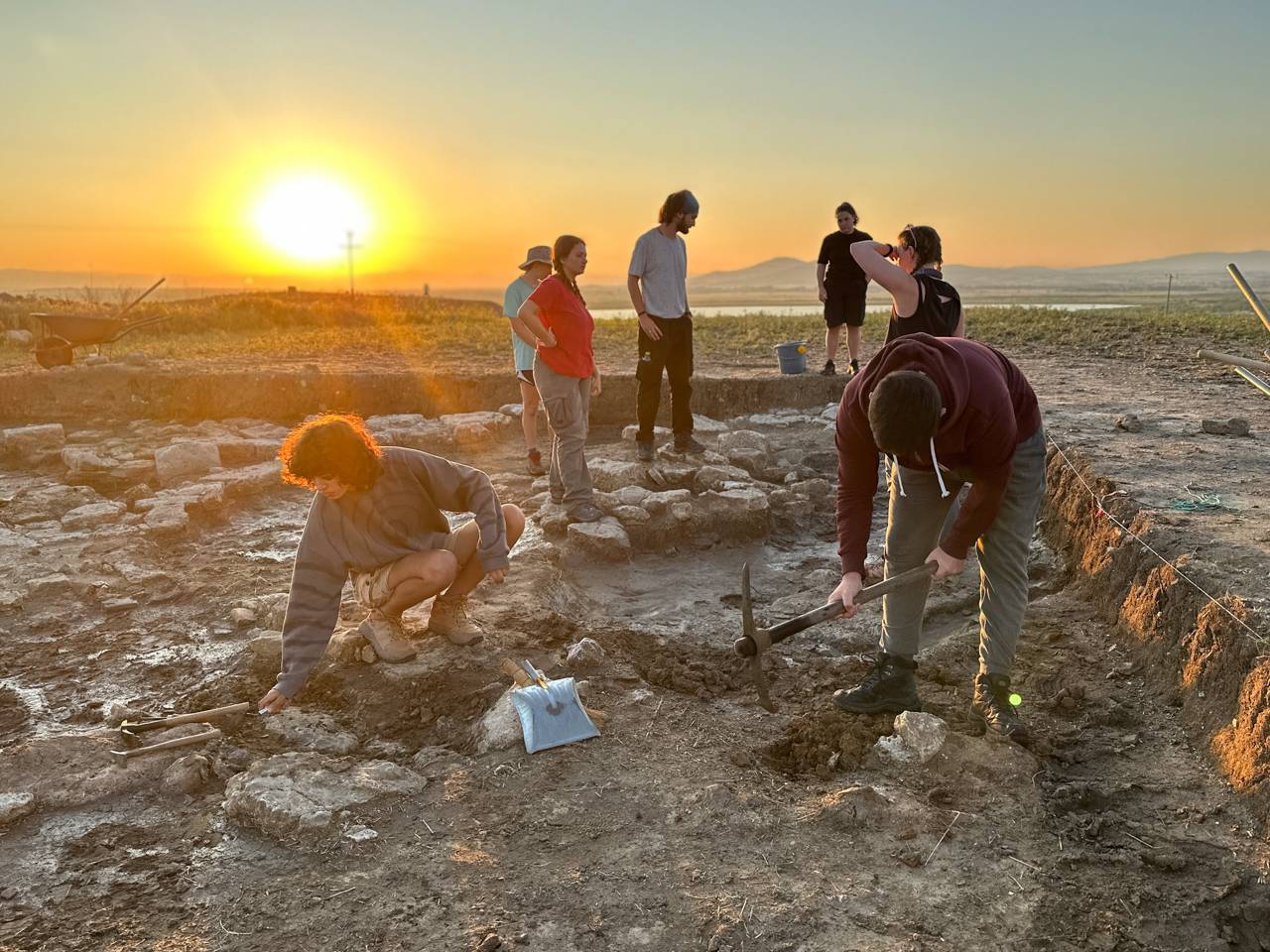
Jakarta, inca.ac.id – When I first heard about Archaeological Digs in college, I imagined dramatic discoveries, buried cities, and students brushing dirt off ancient objects under the sun. Some of that image was true, but the real experience was far more disciplined and intellectually rewarding than I expected. Archaeological digs are not only about finding things. They are about learning how evidence, context, and careful interpretation help us understand the human past.
Why Archaeological Digs Matter in College
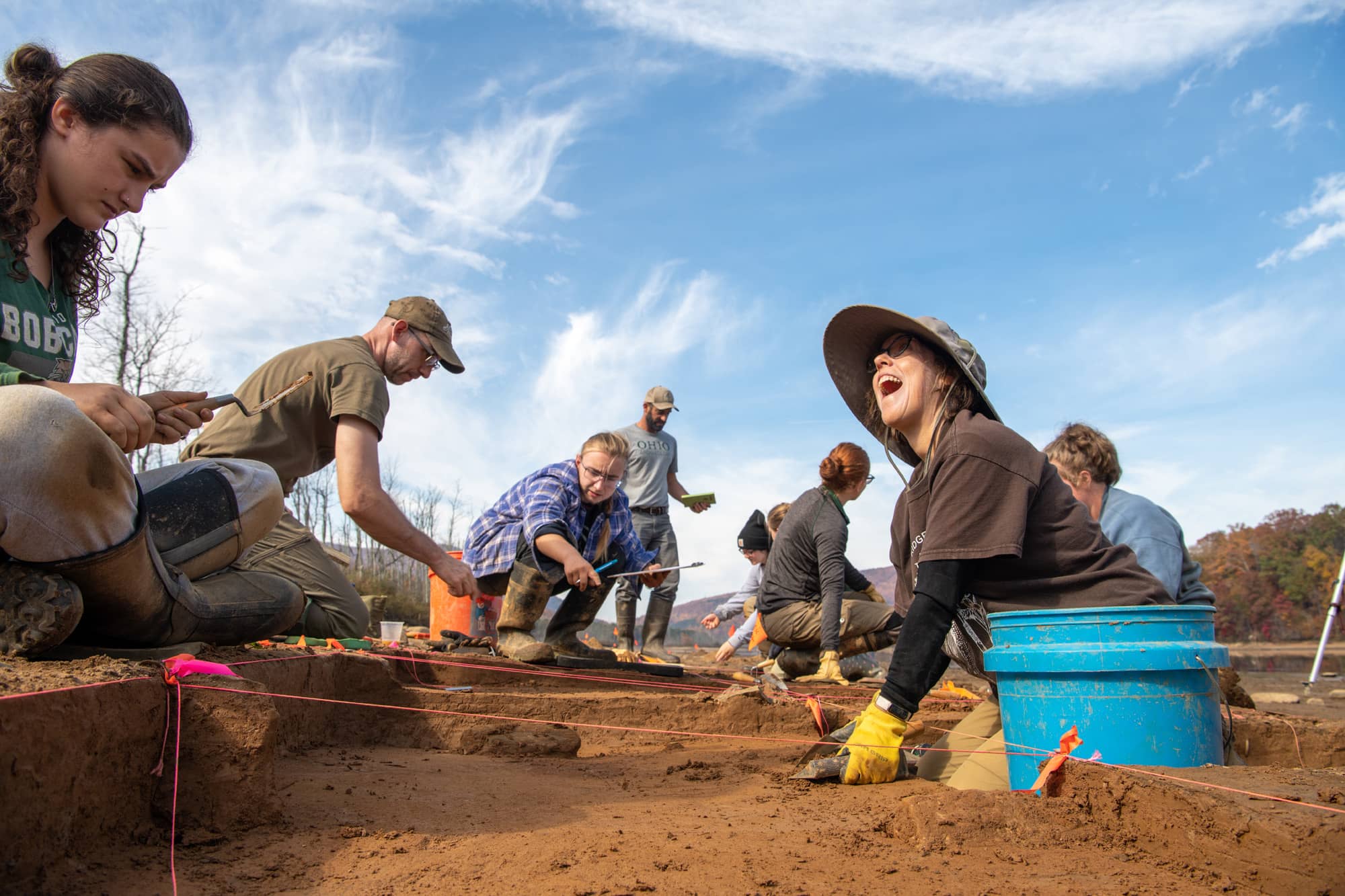
In academic life, Archaeological Digs offer students a rare chance to connect classroom theory with real field experience. Reading about ancient societies is one thing. Standing in a dig site, documenting soil layers, and handling material remains with care is something else entirely. That direct experience can change how students think about history.
What makes college-based archaeology especially valuable is the combination of practical training and critical thinking. Students do not just uncover objects. They learn methods, ethics, recording systems, and analytical skills. In my view, that is where the educational value becomes strongest. It turns history from something abstract into something observable.
There is also an important layer of Knowledge that comes from fieldwork. A dig teaches patience, precision, and respect for evidence. You begin to understand that one small artifact, if properly documented, can say more than a dramatic guess ever could.
My Experience Understanding Archaeological Fieldwork
One thing that surprised me when learning about Archaeological Digs was how much of the work involves documentation rather than excavation itself. Before any artifact becomes meaningful, its location, depth, surrounding materials, and condition must be recorded accurately. Without that context, the object loses much of its historical value.
This was a useful lesson for me because I had imagined archaeology as mostly discovery. In reality, it is also about discipline. A student cannot rush through a trench and expect reliable results. Every movement, layer, and finding has to be approached with care.
That attention to detail is one of the reasons archaeological training is so valuable in college. It teaches students to observe before concluding. That habit is useful far beyond archaeology.
Common Mistakes Students Make
In my experience, students who first explore Archaeological Digs often carry a few misconceptions.
Focusing only on big discoveries
Many students hope for dramatic finds, but archaeology often advances through small details. Pottery fragments, soil changes, bone pieces, and tool marks can be just as important as larger artifacts.
Underestimating documentation
This is a major mistake. If the recording process is weak, the academic value of the discovery drops sharply. Good archaeology depends on careful notes, drawings, mapping, and cataloging.
Ignoring ethical responsibility
Artifacts are not souvenirs. Excavation involves cultural sensitivity, legal standards, and respect for heritage. Students need to understand that archaeology is not treasure hunting.
Assuming archaeology is only physical labor
There is fieldwork, yes, but there is also interpretation, research, laboratory analysis, and report writing. The intellectual side is just as important as the physical side.
Skills Students Gain from Archaeological Digs
What I find especially interesting about Archaeological Digs is how many transferable skills they develop.
Observation and analysis
Students learn to notice patterns, inconsistencies, and material clues that others might overlook.
Patience and accuracy
Excavation requires slow and careful work. That mindset builds academic discipline.
Teamwork
Field projects are collaborative. Students must coordinate tasks, share information, and follow structured procedures.
Critical interpretation
Finding an object is only the beginning. Students must ask what it means, how old it is, and what it reveals about past human life.
These are not narrow skills. They support research, academic writing, and professional work in many fields.
Why Archaeological Digs Remain Relevant
Some people assume archaeology is only about ancient civilizations, but I think Archaeological Digs remain relevant because they teach us how to approach evidence in a responsible way. They also help preserve cultural memory. In a college setting, this matters because students are not just learning facts. They are learning how history is constructed from material traces.
That process encourages humility. The past is rarely simple, and evidence rarely speaks without interpretation. Archaeology trains students to handle uncertainty carefully, which is a valuable skill in any serious academic environment.
Final Thoughts
For me, Archaeological Digs represent one of the most meaningful ways students can engage with history in college. They combine field experience, intellectual discipline, and respect for heritage in a way few subjects can. The real lesson is not only about what lies underground. It is about how we uncover meaning from fragments with care and responsibility.
That is why archaeological digs matter. They remind us that history is not only written in books. Sometimes, it is waiting quietly in the soil, ready to be understood by those patient enough to study it well.
Explore our “Knowledge” category for more insightful content!
Don't forget to check out our previous article: Mythology Lore: Unraveling Ancient Tales in College
Penulis

#Archaeological Digs #archaeology education #archaeology in college #cultural heritage #excavation methods #fieldwork #historical research #Student Learning
Related Posts
 Kuliah Perdana Menjadi Langkah Awal Mahasiswa Mengenal Sistem Belajar dan Kehidupan Kampus
 Ilmu Kesehatan Anak Membantu Mahasiswa Memahami Kesehatan dan Perawatan Anak Sejak Dini
 Sosial Ekonomi Perikanan Membantu Mahasiswa Memahami Usaha, Masyarakat, dan Kehidupan di Sektor Perikanan
 Manajemen Pariwisata Membantu Mahasiswa Memahami Cara Mengelola Usaha dan Layanan Wisata