
Jakarta, inca.ac.idReligious studies is an academic discipline that examines the diverse beliefs, practices, and cultural contexts of religions around the world. As students navigate their college experience, engaging with religious studies can provide valuable insights into faith, spirituality, and the role of religion in society. This article explores the significance of religious studies in college, the topics covered in such programs, and the benefits of studying religion for personal and academic growth.

The Importance of Religious Studies in College

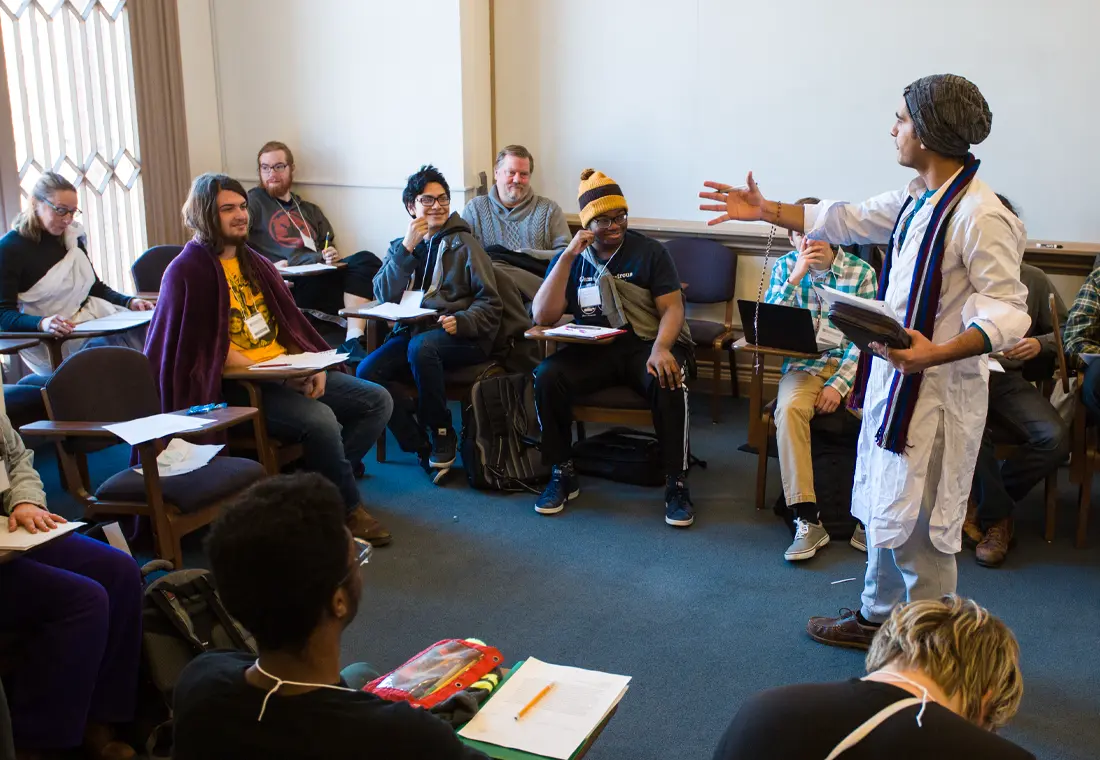
Religious Studies - Stetson University

  • Understanding Diverse Perspectives:

    • Religious studies encourage students to explore various religious traditions, including Christianity, Islam, Buddhism, Hinduism, and indigenous belief systems. This exploration fosters a deeper understanding of the diverse perspectives that shape human experiences and cultural identities.
  • Critical Thinking and Analytical Skills:

    • Engaging with religious texts, rituals, and beliefs requires critical analysis and interpretation. Students develop skills in evaluating arguments, understanding complex ideas, and considering multiple viewpoints, which are essential for academic success and informed citizenship.
  • Cultural Awareness:

    • In an increasingly globalized world, understanding different religions is crucial for fostering tolerance and respect among diverse communities. Religious studies help students appreciate the cultural contexts in which religions develop and thrive, promoting intercultural dialogue.
  • Personal Reflection:

    • College is a time of exploration and self-discovery. Studying religious beliefs and practices can prompt students to reflect on their own faith or spirituality, encouraging personal growth and a deeper understanding of their values and beliefs.

Topics Covered in Religious Studies Programs

  • History of Religions:

    • Students learn about the historical development of major world religions, including their origins, key figures, and significant events. This historical perspective provides context for understanding contemporary religious practices and beliefs.
  • Sacred Texts and Literature:

    • Religious studies often involve the study of sacred texts, such as the Bible, Quran, Bhagavad Gita, and others. Analyzing these texts helps students understand their theological significance and the ways they influence followers’ lives.
  • Rituals and Practices:

    • Students explore various religious rituals and practices, examining their meanings and functions within different communities. This includes studying rites of passage, worship practices, and festivals.
  • Philosophy of Religion:

    • This area delves into philosophical questions related to religion, such as the existence of God, the problem of evil, and the nature of faith. Engaging with these concepts encourages deep reflection and critical thinking.
  • Religion and Society:

    • Students investigate the relationship between religion and social issues, including politics, economics, gender, and ethics. Understanding these connections helps students grasp the role of religion in shaping societal norms and values.

Benefits of Studying Religious Studies

  • Career Opportunities:

    • A background in religious studies can lead to various career paths, including education, social work, counseling, international relations, and non-profit organizations. The skills gained through this discipline are valuable in many professional contexts.
  • Enhanced Communication Skills:

    • Studying religious studies improves students’ ability to articulate their thoughts and engage in meaningful discussions about complex topics. These communication skills are essential in any career and personal interactions.
  • Interdisciplinary Connections:

    • Religious studies intersect with various fields, including sociology, anthropology, history, and philosophy. This interdisciplinary approach enriches students’ understanding and allows them to draw connections between different areas of study.
  • Global Perspective:

    • In an interconnected world, understanding religious diversity is crucial for addressing global challenges. Students equipped with knowledge of different faiths are better prepared to engage with international issues and promote peace and cooperation.

Conclusion

In conclusion, religious studies offer college students an opportunity to explore faith, spirituality, and the diverse religious landscape of the world. Through critical analysis, cultural awareness, and personal reflection, students gain valuable skills and insights that enhance their academic experience and prepare them for future endeavors. As they navigate their college years, engaging with religious studies can foster a deeper understanding of themselves and the world around them, promoting tolerance and respect for diverse beliefs.

Explore our “Knowledge” category for more insightful content!

Don't forget to check out our previous article: University Community Engagement: Making an Impact through College Initiatives

Penulis

Categories:

Related Posts

Mythology Lore Mythology Lore: Unraveling Ancient Tales in College
Jakarta, inca.ac.id – College was where Mythology Lore stopped feeling like dusty old stories and
Politeknik Politeknik: Pendidikan Vokasi yang Menjembatani Dunia Akademik dan Industri
inca.ac.id  —  Politeknik merupakan salah satu bentuk institusi pendidikan tinggi yang memiliki orientasi berbeda dibandingkan
Hukum Pidana Hukum Pidana: Dasar Penting yang Harus Dipahami Mahasiswa Hukum
inca.ac.id – Di sebuah ruang kelas fakultas hukum yang terasa cukup hening, seorang dosen berdiri
Ethical Leadership Ethical Leadership: Shaping Character in the College Community
Jakarta, inca.ac.id – Ethical leadership is a vital component of fostering a positive and productive