
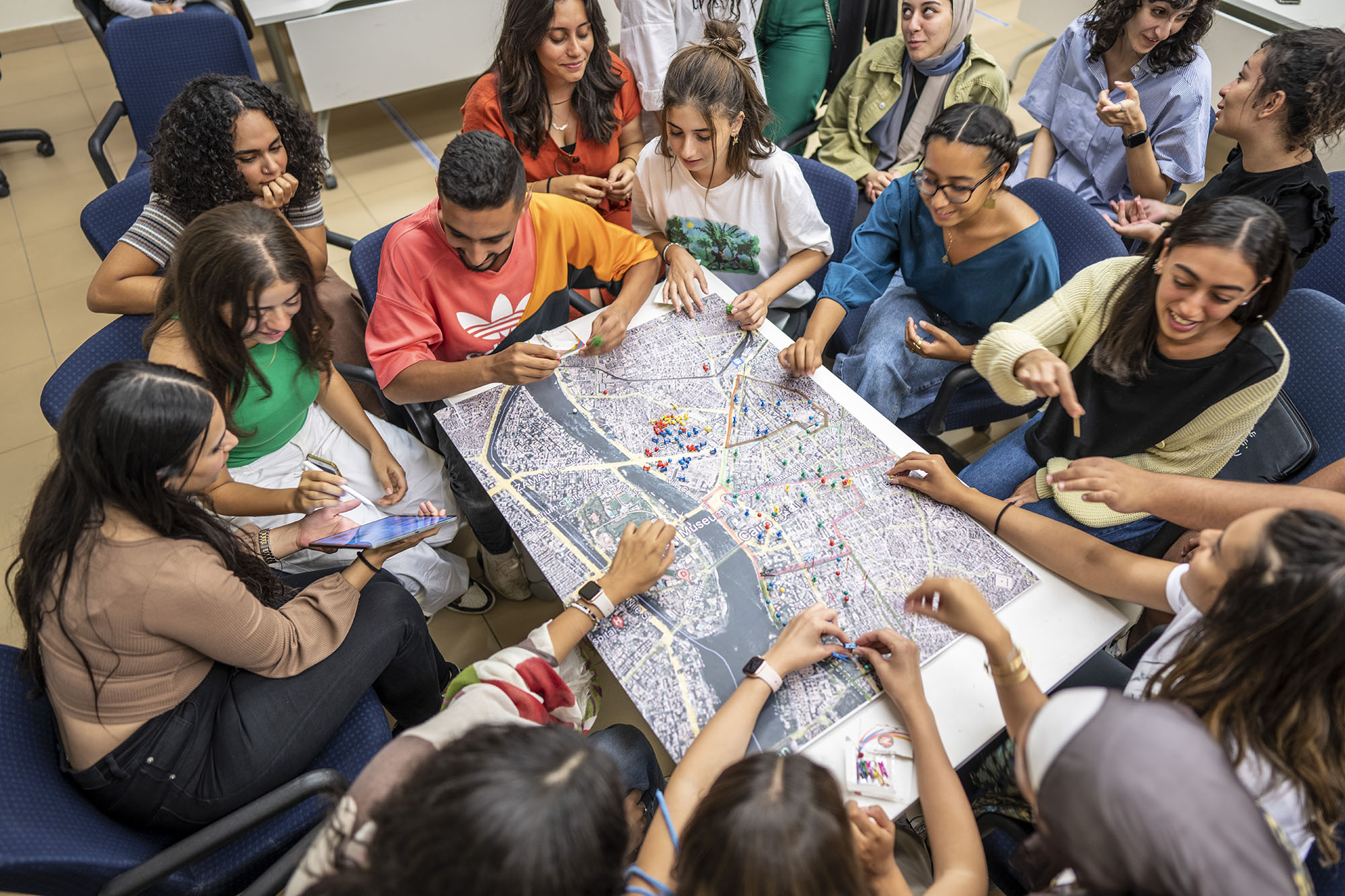
Jakarta, inca.ac.id – University community engagement is a vital aspect of higher education that fosters collaboration between academic institutions and their surrounding communities. Through various initiatives, universities can address local needs, promote social responsibility, and enhance the educational experience for students. This article explores the significance of university community engagement, highlights effective initiatives, and discusses how students and faculty can contribute to making a positive impact.

The Importance of University Community Engagement

-
Strengthening Community Ties: University community engagement helps build strong relationships between students, faculty, and local residents. These connections foster a sense of belonging and mutual support, benefiting both the university and the community.
-
Enhancing Student Learning: Engaging with the community provides students with hands-on learning experiences that complement their academic studies. Service-learning and community-based projects allow students to apply theoretical knowledge to real-world situations, enhancing their understanding and retention of course material.
-
Promoting Social Responsibility: Universities have a responsibility to contribute to the well-being of their communities. Community engagement initiatives encourage students to become active, informed citizens who are aware of social issues and committed to making a difference.
-
Addressing Local Needs: Through collaborative efforts, universities can identify and address pressing community issues, such as poverty, education, health care, and environmental sustainability. This responsiveness demonstrates the university’s commitment to social equity and community development.
Effective Initiatives in University Community Engagement
-
Service-Learning Programs:
- Service-learning integrates community service with academic coursework, allowing students to engage in projects that address community needs while gaining valuable skills. For example, students in education programs might tutor local school children, while nursing students could provide health screenings at community centers.
-
Community-Based Research:
- Faculty and students can collaborate on research projects that focus on local issues. Community-based research involves working with community organizations to identify problems and develop solutions, ensuring that research is relevant and beneficial to the community.
-
Volunteer Programs:
- Universities can establish volunteer programs that connect students with local organizations in need of support. These programs can range from environmental clean-up days to food drives, allowing students to contribute their time and talents to various causes.
-
Cultural and Educational Events:
- Hosting events such as workshops, lectures, and cultural festivals can engage the community and promote awareness of diverse issues. These events provide opportunities for dialogue and learning, fostering a sense of community and inclusivity.
-
Internships and Practicums:
- Universities can partner with local organizations to offer internships and practicum experiences for students. These opportunities allow students to gain practical experience while contributing to the community, bridging the gap between academic learning and professional development.
How Students and Faculty Can Contribute
-
Get Involved:
- Students can actively participate in community engagement initiatives by joining service clubs, volunteering for events, or enrolling in service-learning courses. Faculty can encourage student involvement by integrating community projects into their curricula.
-
Collaborate with Local Organizations:
- Faculty and students should seek partnerships with local nonprofits, schools, and government agencies. Collaborating with these organizations can enhance the impact of community engagement efforts and ensure that initiatives align with local needs.
-
Raise Awareness:
- Promote community engagement initiatives through social media, campus events, and local outreach. Raising awareness about the importance of community engagement can inspire more students and faculty to get involved.
-
Reflect on Experiences:
- Encourage students to reflect on their community engagement experiences through discussions, journals, or presentations. Reflection helps students understand the value of their contributions and reinforces their commitment to social responsibility.
-
Advocate for Institutional Support:
- Faculty and students can advocate for greater institutional support for community engagement initiatives. This includes seeking funding for projects, resources for volunteer programs, and recognition for community service in academic evaluations.
Conclusion
In conclusion, university community engagement is essential for creating a positive impact on both students and the communities they serve. By fostering strong relationships, enhancing student learning, and addressing local needs, universities can play a crucial role in promoting social responsibility and community development. Through effective initiatives and active participation, students and faculty can contribute to meaningful change, making their universities a vital part of the community fabric.
Explore our “Knowledge” category for more insightful content!
Don't forget to check out our previous article: Veterinary Medicine: Caring for Animals at University
#community-based research #educational initiatives #local partnerships #Service Learning #Social Responsibility #student involvement #university community engagement #volunteer programs
Related Posts

Tesis Mahasiswa: Landasan Akademik Menuju Kontribusi Ilmiah Berkualitas
University Governance: Understanding Campus Operations
Teknologi Rekayasa: Bekal Penting Mahasiswa Hadapi Dunia Industri
Belajar Reflektif Menjadi Kunci Kesuksesan Mahasiswa Modern