What is Kinesiology?
1. Definition and Scope
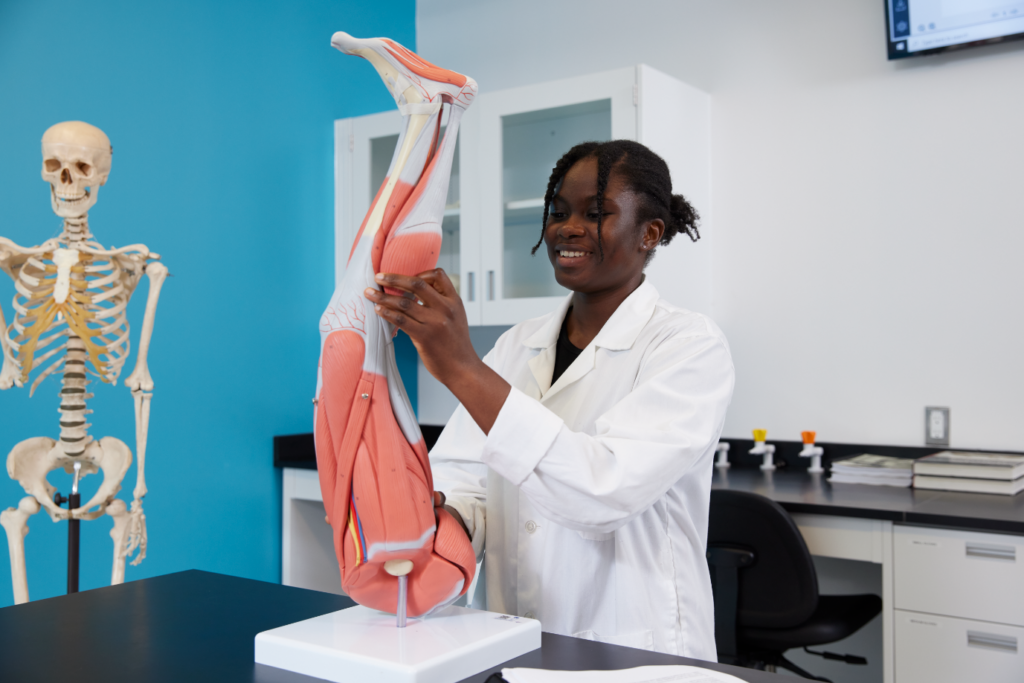
Kinesiology is the scientific study of human movement. It encompasses the analysis of physical activity, exercise, and sport, focusing on how the body moves and the factors that influence movement patterns. The discipline aims to improve health, enhance performance, and prevent injuries through a thorough understanding of human biomechanics and physiology.
2. Interdisciplinary Nature
Kinesiology is inherently interdisciplinary, drawing from various scientific fields to provide a holistic view of movement. Key areas of study within kinesiology include:
- Biomechanics: The study of the mechanical aspects of movement, including forces and motion.
- Exercise Physiology: The examination of how physical activity affects the body’s systems, including cardiovascular, muscular, and metabolic responses.
- Motor Control and Learning: The investigation of how the brain coordinates movement and how skills are acquired and refined.
- Sports Psychology: The exploration of mental factors that influence performance, motivation, and overall well-being in athletes.
The Importance of Kinesiology Movement in University Education
1. Foundational Knowledge
Studying kinesiology movement at the university level provides students with foundational knowledge about the human body and its functions. Courses typically cover essential topics such as anatomy, physiology, and biomechanics, equipping students with the scientific background necessary for understanding movement.
2. Practical Applications
Kinesiology movement has numerous practical applications in various fields, including:
- Physical Therapy: Understanding movement is crucial for developing rehabilitation programs for individuals recovering from injuries.
- Sports Science: Kinesiologists work with athletes to enhance performance through training techniques and injury prevention strategies.
- Fitness and Wellness: Knowledge of kinesiology helps fitness professionals design effective exercise programs tailored to individual needs and goals.
- Ergonomics: Kinesiologists apply principles of movement to improve workplace safety and efficiency, reducing the risk of injuries.
3. Research Opportunities
University programs in kinesiology often provide students with opportunities to engage in research. Students can explore topics related to movement, exercise, and health, contributing to the advancement of knowledge in the field. Research experiences can enhance critical thinking skills and prepare students for careers in academia, healthcare, or industry.
4. Interdisciplinary Collaboration
Kinesiology movement encourages collaboration across disciplines, allowing students to work with peers from fields such as psychology, nutrition, and medicine. This collaborative approach fosters a comprehensive understanding of health and wellness, preparing students for diverse career paths.
Benefits of Studying Kinesiology Movement
1. Career Opportunities
Graduates with a degree in kinesiology movement have a wide range of career options, including:
- Physical therapist
- Occupational therapist
- Exercise physiologist
- Sports coach or trainer
- Health and wellness consultant
- Research scientist
2. Promoting Health and Well-Being
Studying kinesiology movement empowers individuals to promote health and well-being in themselves and others. By understanding the principles of movement and exercise, graduates can make informed decisions about physical activity, leading to healthier lifestyles.
3. Enhanced Understanding of Human Performance
Kinesiology movement provides insights into human performance, helping individuals understand how to optimize their physical capabilities. This knowledge is invaluable for athletes and fitness enthusiasts seeking to improve their skills and achieve their goals.
4. Contribution to Community Health
Kinesiologists play a vital role in community health initiatives, promoting physical activity and wellness programs that benefit populations of all ages. Their expertise can help address public health challenges, such as obesity and chronic disease prevention.
Conclusion
Kinesiology movement is a vital field of study that enhances our understanding of human movement and its implications for health, performance, and well-being. By pursuing a degree in kinesiology at the university level, students gain valuable knowledge and skills that prepare them for diverse career paths in healthcare, fitness, and sports. As the importance of physical activity and wellness continues to grow, the role of kinesiologists in promoting healthy lifestyles and optimizing human performance will remain essential in our society.
Explore our “Knowledge” category for more insightful content!
Don't forget to check out our previous article: Landscape Architecture: Designing Outdoor Spaces in College



 Kuliah Perdana Menjadi Langkah Awal Mahasiswa Mengenal Sistem Belajar dan Kehidupan Kampus
 Ilmu Kesehatan Anak Membantu Mahasiswa Memahami Kesehatan dan Perawatan Anak Sejak Dini
 Sosial Ekonomi Perikanan Membantu Mahasiswa Memahami Usaha, Masyarakat, dan Kehidupan di Sektor Perikanan
 Manajemen Pariwisata Membantu Mahasiswa Memahami Cara Mengelola Usaha dan Layanan Wisata