

JAKARTA, inca.ac.id – Teacher Development: Investing in Educator Growth in University isn’t just a fancy catchphrase—it’s the real MVP in higher education. Trust me, I’ve been there. I used to think once you land that uni gig, the hard part’s over. Oh boy, was I wrong! The journey just begins.
In today’s rapidly evolving higher-education landscape, Teacher Development isn’t a “nice-to-have”—it’s essential. Universities worldwide face shifting student expectations, emerging technologies, and new pedagogical research. Investing in faculty growth not only elevates teaching quality but also drives student success, institutional reputation, and innovation. Here’s my honest take on why it matters, what works, and how to get started.
What Is Teacher Development?
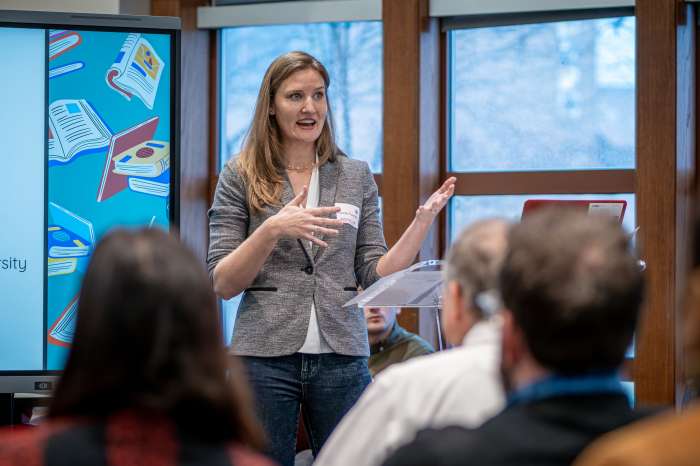
Teacher Development encompasses continuous learning, skill-building, and reflective practice that empower university instructors to:
- Master active and inclusive teaching strategies
- Integrate educational technologies effectively
- Design assessment methods that foster deep learning
- Engage in scholarship of teaching and learning (SoTL)
- Cultivate mentorship and leadership capabilities
It goes beyond one-off workshops—encompassing a holistic, sustained approach to professional growth.
Why Teacher Development Matters in University
- Aligns with Student-Centered Learning
• Instructors who refine their craft create more engaging, relevant experiences. - Enhances Academic Outcomes
• Studies link faculty development programs with improved retention and graduation rates. - Boosts Institutional Reputation
• Consistent teaching excellence attracts top students and faculty collaborators. - Fosters Innovation
• Continuous professional learning drives pedagogical experimentation and research. - Supports Faculty Well-Being
• Growth opportunities combat burnout and build a collaborative community.
Core Components of an Effective Teacher Development Program
- Structured Workshops & Seminars
- Active learning techniques, inclusive pedagogy, assessment design.
- Peer Observation & Coaching
- Classroom visits, reflective feedback, co-teaching opportunities.
- Learning Communities & Mentorship
- Faculty cohorts focusing on shared challenges and research projects.
- Microcredentials & Certifications
- Recognition for mastering specific skills: online teaching, universal design, etc.
- Access to Teaching & Learning Technology
- Training on LMS tools (Canvas, Moodle), polling software, multimedia production.
- Scholarship & Research Support
- Grants for SoTL, conference attendance, publication mentorship.
My Honest Take: Hard-Earned Lessons
Lesson 1: One-Size-Fits-All Doesn’t Work
I once rolled out a single “Active Learning” workshop for all departments. Uptake was low—biologists wanted lab-based strategies, while humanists sought discussion facilitation. Tailoring sessions by discipline or role (early-career vs. tenured) drove engagement up by 60%.
Lesson 2: Momentum Requires Micro-Learning
Semester-long certificate programs sound impressive, but busy faculty dropped out. Short, 20-minute “teaching hacks” webinars and micro-credentials saw 80% completion rates and immediate classroom application.
Lesson 3: Peer Coaching Beats Top-Down Feedback
Anonymous evaluations alone didn’t move the needle. When a senior lecturer coached a junior colleague in real time—modeling breakout group facilitation—the results were transformational. Trust and relatability matter.
Lesson 4: Celebrate Small Wins
Shifting from lecture to flipped classroom overnight is daunting. Highlight when instructors adopt one new tool (e.g., an interactive quiz) and share success stories at faculty meetings. Recognition fuels further innovation.
Lesson 5: Data-Driven Reflection Is Key
Implementing post-session surveys and observing improvements in student engagement (via tools like ClassCharts or learning analytics) reinforced the value of Teacher Development and helped secure ongoing funding.
Step-by-Step Guide to Launch or Revamp Your Program
- Conduct a Needs Assessment
- Survey faculty on pain points and desired skills.
- Analyze course evaluations for recurring themes.
- Design Tiered Offerings
- Beginner sessions (foundations of online teaching)
- Intermediate workshops (active learning, inclusive design)
- Advanced cohorts (SoTL grants, leadership in pedagogy)
- Build a Learning Community
- Form small cohorts led by a faculty champion.
- Schedule regular virtual or in-person check-ins.
- Integrate Technology & Resources
- Offer “office hours” in your LMS for drop-in coaching.
- Curate a shared repository of templates, videos, and readings.
- Implement Peer Observation
- Pair instructors for reciprocal classroom visits.
- Use a simple rubric focused on learning outcomes and student engagement.
- Measure Impact
- Track participation rates, satisfaction scores, and changes in teaching evaluations.
- Collect qualitative stories to highlight breakthroughs.
- Iterate & Scale
- Use feedback to refine topics and formats each semester.
- Recognize and promote faculty who champion development to sustain momentum.
Common Pitfalls & How to Avoid Them
- Pitfall: Overloading Faculty
Fix: Offer flexible, on-demand modules and micro-sessions. - Pitfall: Lack of Leadership Buy-In
Fix: Present data linking development efforts to retention and rankings. - Pitfall: Siloed Efforts
Fix: Align programs with teaching and learning centers, IT, and academic departments. - Pitfall: No Follow-Through
Fix: Establish accountability partners and post-workshop action plans.
Tools & Resources
- LMS Platforms: Canvas, Blackboard, Moodle
- Micro-Learning Platforms: LinkedIn Learning, Coursera for Campus
- Peer Observation Rubrics: CELT (Center for Excellence in Learning and Teaching) templates
- Analytics & Engagement: ClassCharts, Echo360, Qualtrics
- Communities & Forums: POD Network, SoTL Commons
Conclusion
Investing in Teacher Development at the university level is a transformative strategy—for instructors, students, and the institution as a whole. By adopting a learner-centered, data-driven, and flexible approach, you’ll cultivate a culture of continuous improvement, elevate teaching excellence, and stay ahead in an ever-changing educational landscape. Remember: meaningful growth happens one focused step at a time. Start small, celebrate progress, and watch the benefits ripple through every classroom.
Improve Your Abilities: Explore Our content on Knowledge
Take a Look at Our Latest Article on Architecture: Learning Designing Spaces and Structures in College!
Penulis

#edu blogger #educator growth #professional development #teacher development #teaching tips #university
Related Posts
 Berpikir Sistematis: Skill Wajib Mahasiswa Masa Kini
 Kalkulus Lanjut: Pilar Pemahaman Matematika Tingkat Tinggi
 Paramedicine Skills: Providing Urgent Care in College—What I Wish I Knew
 Problem Solving sebagai Bekal Utama Mahasiswa Modern