

JAKARTA, inca.ac.id – Student Evaluation: Assessing Learning Outcomes in University – why does it always sound so serious? Let me spill. When I first hit uni, I thought assessments were just about grades. Turns out, it’s way more about your growth than your scorecard!
Student evaluation is a crucial aspect of the educational process in universities, serving as a means to assess learning outcomes and provide feedback on academic performance. Effective evaluation not only measures student understanding but also informs teaching practices and curriculum development. In this guide, I’ll share my personal experiences with student evaluation, the importance of assessing learning outcomes, and practical insights for both students and educators.
1. Understanding Student Evaluation
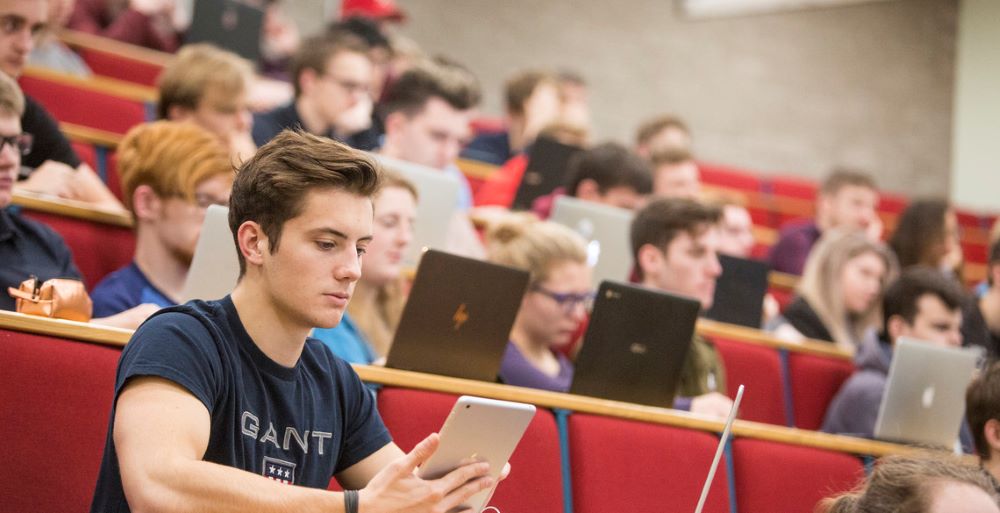
Student evaluation encompasses various methods used to assess a student’s knowledge, skills, and competencies. Key components of student evaluation include:
- Formative Assessment: Ongoing assessments that provide feedback during the learning process. Examples include quizzes, class discussions, and peer reviews.
- Summative Assessment: Evaluations that occur at the end of a learning period to measure overall achievement. Common forms are final exams, projects, and standardized tests.
- Self-Assessment: Opportunities for students to reflect on their own learning and evaluate their progress. This can foster a sense of ownership over one’s education.
2. The Importance of Assessing Learning Outcomes
Assessing learning outcomes is vital for several reasons:
- Measuring Effectiveness: Evaluations help determine whether educational goals and objectives are being met. They provide insights into the effectiveness of teaching methods and curriculum design.
- Identifying Gaps: Through assessments, educators can identify areas where students may struggle. This information can guide instructional adjustments and targeted interventions.
- Providing Feedback: Evaluations offer valuable feedback to students, highlighting strengths and areas for improvement. Constructive feedback can motivate students to enhance their learning.
- Enhancing Accountability: Regular assessments promote accountability among students and faculty. They ensure that both parties are engaged in the learning process and working towards common goals.
3. My Experiences with Student Evaluation
Navigating Different Evaluation Methods
Throughout my university journey, I encountered various evaluation methods, each with its strengths and challenges. For instance, I found that formative assessments, such as quizzes and in-class activities, helped me gauge my understanding of the material in real-time.
Real Talk: I remember a particular course where weekly quizzes were implemented. Initially, I found them stressful, but they ultimately helped me stay engaged and motivated to keep up with the coursework.
On the other hand, summative assessments like final exams felt overwhelming at times. The pressure to perform well often led to anxiety, which affected my ability to showcase my true understanding of the subject matter.
The Role of Feedback
Feedback was a crucial component of my learning experience. In some courses, instructors provided detailed comments on assignments, which helped me understand where I excelled and where I needed improvement.
Real Talk: I had a professor who took the time to meet with students individually to discuss their exam results. This personalized feedback was invaluable and helped me develop a clearer path for improvement.
However, I also experienced instances where feedback was minimal or unclear. This lack of guidance left me uncertain about how to enhance my performance, highlighting the importance of effective communication in evaluations.
4. Practical Tips for Effective Student Evaluation
To enhance the student evaluation process, consider the following strategies:
– Diversify Assessment Methods
Educators should employ a mix of formative and summative assessments to provide a comprehensive view of student learning. Incorporating various methods, such as projects, presentations, and peer assessments, can cater to different learning styles.
– Provide Timely and Constructive Feedback
Feedback should be timely and specific to be effective. Educators should aim to provide actionable insights that guide students in their learning journey.
– Encourage Self-Assessment
Promoting self-assessment can empower students to take ownership of their learning. Providing tools and frameworks for reflection can help students identify their strengths and areas for growth.
– Foster a Growth Mindset
Encouraging a growth mindset in students can shift the focus from grades to learning. Highlighting the importance of effort, resilience, and continuous improvement can motivate students to embrace challenges.
– Utilize Technology
Leveraging technology can streamline the evaluation process. Online platforms can facilitate quizzes, surveys, and feedback mechanisms, making assessments more accessible and efficient.
5. Conclusion
Student evaluation plays a vital role in assessing learning outcomes in university settings. Through my experiences, I’ve learned that effective evaluation not only measures academic performance but also fosters personal growth and development.
By understanding the importance of diverse assessment methods, timely feedback, and self-reflection, both students and educators can enhance the evaluation process. As we navigate the complexities of higher education, embracing a holistic approach to student evaluation will ultimately lead to improved learning experiences and outcomes.
In the end, student evaluation is not just about grades; it’s about cultivating a deeper understanding of knowledge and skills that will serve students well beyond their university years. By prioritizing effective evaluation practices, we can create a more supportive and enriching educational environment for all.
Improve Your Abilities: Explore Our content on Knowledge
Take a Look at Our Latest Article on Higher Education Resources: Navigating Your University Support Systems!
Penulis

#assessing learning outcomes #campus life #education #student evaluation #student success #university assessment #university tips
Related Posts
 Fresh Graduate Sukses: Strategi Awal Karier yang Tepat
 Refleksi Akademik: Cara Mahasiswa Memahami Proses Belajar Secara Lebih Dalam
 Program Pascasarjana: Gerbang Tingkat Lanjut Menuju Keunggulan Akademik
 Campus tours Insights: What to Look For & Questions to Ask for University Students – Real Tips That Matter