Physical education (PE) plays a vital role in promoting health, fitness, and sportsmanship among students on campus. Beyond just traditional classes, modern PE programs are evolving to incorporate innovative approaches that engage students in active lifestyles, enhance their physical skills, and foster a lifelong appreciation for health and fitness. In this guide, I’ll explore the significance of physical education, the benefits it offers, and how campuses can create dynamic PE programs that resonate with today’s students.
1. The Importance of Physical Education
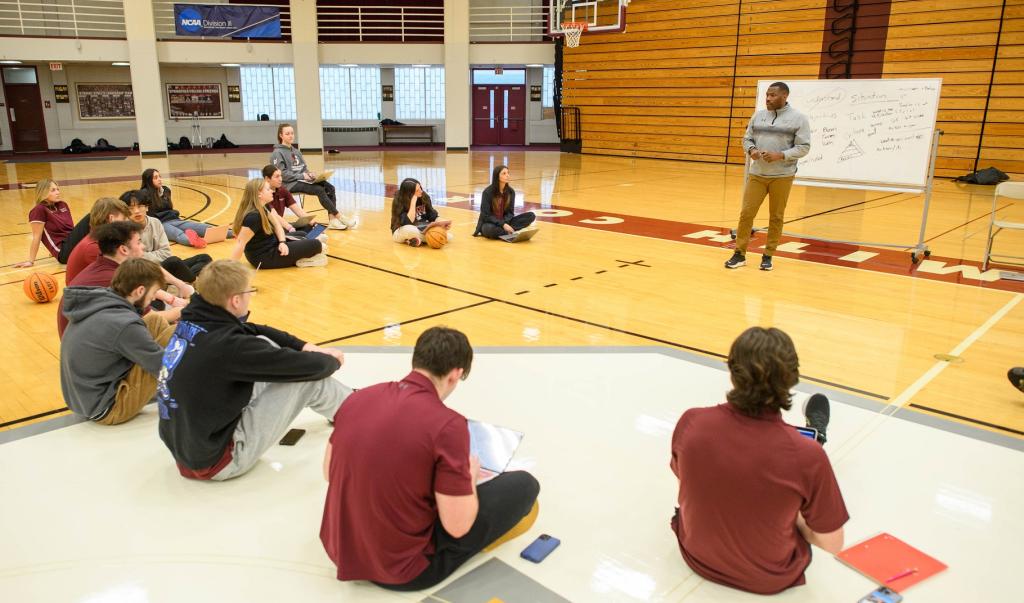
Physical education is crucial for several reasons:
- Promotes Physical Health: Regular physical activity is essential for maintaining a healthy body weight, reducing the risk of chronic diseases, and improving overall physical health.
- Enhances Mental Well-Being: Engaging in physical activities has been shown to reduce stress, anxiety, and depression. PE provides students with an outlet for stress relief and promotes mental well-being.
- Develops Motor Skills: Physical education helps students develop essential motor skills and coordination, which are important for participating in various sports and physical activities.
- Fosters Social Skills: Team sports and group activities in PE promote teamwork, communication, and leadership skills, helping students build strong social connections.
2. Benefits of a Modern Physical Education Program
A well-designed physical education program offers numerous benefits that extend beyond the gym or field:
– Comprehensive Health Education
Modern PE programs often include health education components that teach students about nutrition, fitness principles, and healthy lifestyle choices. This holistic approach empowers students to make informed decisions about their health.
Example: Workshops on meal planning and understanding food labels can complement physical activities, helping students understand the connection between diet and fitness.
– Variety of Activities
Incorporating a diverse range of activities in PE classes keeps students engaged and allows them to explore different interests. From traditional sports to yoga, dance, and outdoor adventures, offering variety encourages participation.
Real Talk: During my time in college, our PE program included everything from rock climbing to Zumba. This variety not only made classes enjoyable but also allowed students to discover new passions and fitness activities.
– Emphasis on Lifelong Fitness
Modern PE programs focus on instilling a love for physical activity that lasts beyond college. By teaching students how to set personal fitness goals and engage in self-directed activities, PE promotes lifelong fitness habits.
Tip: Encourage students to participate in community fitness events, such as fun runs or charity sports tournaments, to foster a sense of community and commitment to health.
3. Innovative Approaches to Physical Education
To create a dynamic and engaging physical education program, campuses can adopt several innovative approaches:
– Technology Integration
Utilizing technology in PE can enhance learning and motivation. Fitness apps, wearable devices, and online platforms can track progress, set goals, and provide personalized feedback.
Example: Some PE classes use fitness trackers to monitor students’ activity levels, allowing them to set and achieve personal fitness goals while fostering a sense of accountability.
– Outdoor and Adventure Education
Incorporating outdoor and adventure activities into PE programs can provide unique experiences that challenge students physically and mentally. Activities such as hiking, kayaking, or orienteering promote teamwork and resilience.
Real Talk: I participated in an outdoor education course that included rock climbing and wilderness survival skills. These experiences not only built physical strength but also taught valuable life skills and boosted confidence.
– Community Engagement
Partnering with local organizations and fitness centers can enhance PE programs by providing access to resources, facilities, and expertise. Community engagement fosters a sense of belonging and encourages students to connect with their surroundings.
Tip: Organize community fitness days or workshops that involve local health professionals, encouraging students to explore various fitness options and learn from experts.
4. Overcoming Barriers to Participation
To ensure that all students can benefit from physical education, it’s essential to address potential barriers to participation:
– Inclusivity
Create an inclusive environment that welcomes students of all skill levels and backgrounds. Offer adaptive programs for students with disabilities and ensure that all activities are accessible.
Example: Implementing programs that cater to diverse interests, such as adaptive sports or dance classes, can encourage greater participation among all students.
– Flexible Scheduling
Recognize that students have varying schedules and commitments. Offering PE classes at different times and providing options for online or hybrid learning can increase participation.
– Promotion and Awareness
Raise awareness about the benefits of physical education and the activities available on campus. Use social media, campus events, and informational sessions to promote PE programs and encourage involvement.
5. Conclusion
Physical education is a vital component of campus life, promoting health, fitness, and social skills among students. By embracing innovative approaches and creating dynamic programs, universities can foster an environment where students are motivated to engage in physical activity and develop lifelong fitness habits.
Through my experiences, I’ve seen how a well-rounded physical education program can transform students’ perspectives on health and fitness. By prioritizing inclusivity, variety, and community engagement, campuses can create a culture of wellness that empowers students to lead healthier, more active lives.
As we move forward, let’s recognize the importance of physical education in shaping not only healthier individuals but also a healthier society. By investing in robust PE programs, we can inspire the next generation to prioritize their health and well-being, both during their university years and beyond.

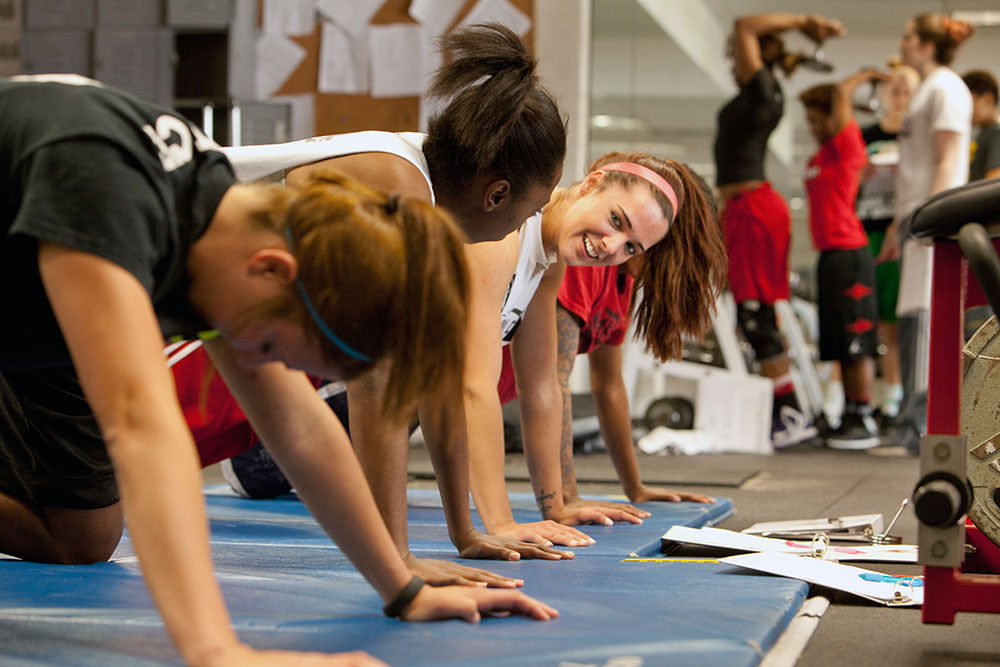

 Kerja Tim Efektif untuk Mahasiswa di Era Kolaboratif
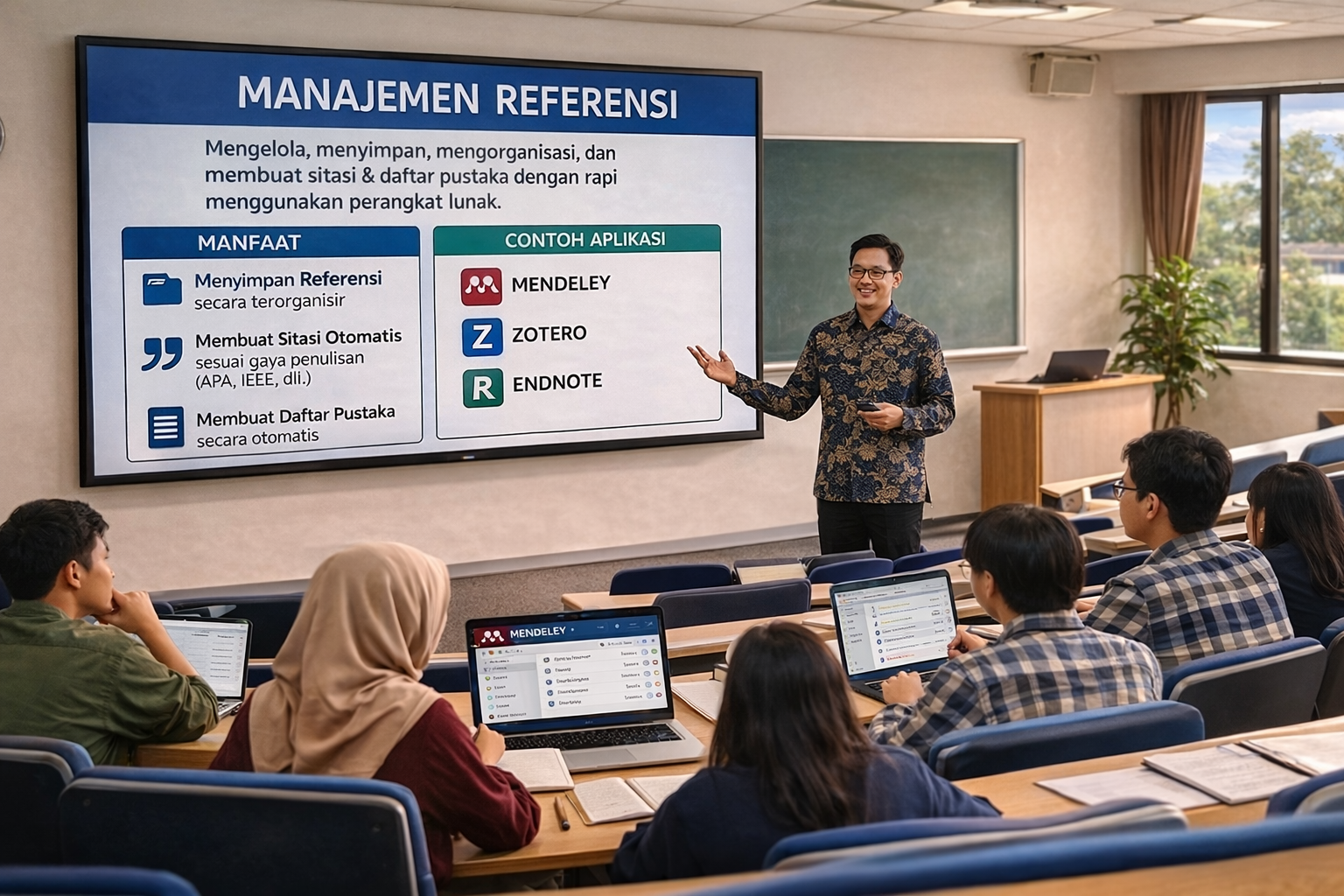 Manajemen Referensi: Cara Efektif Mahasiswa Mengelola Sumber Akademik
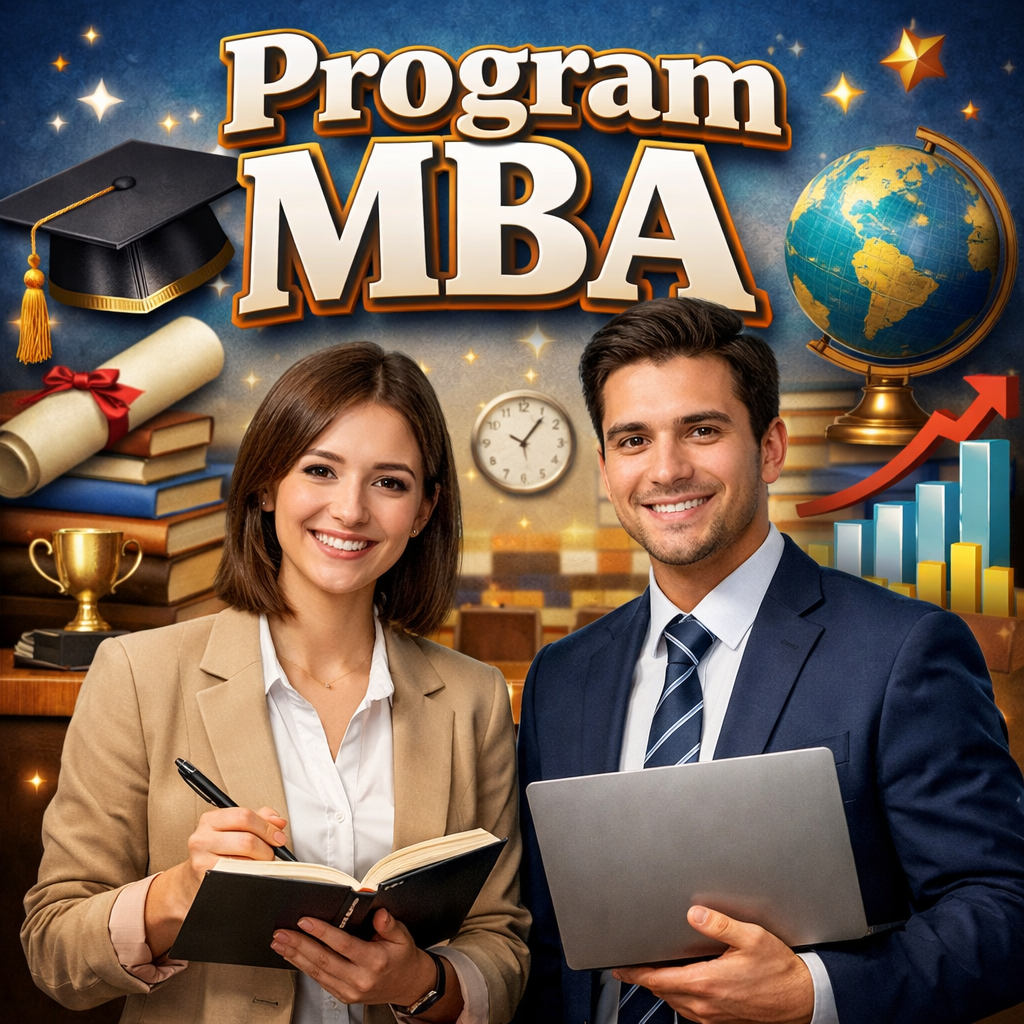 Program MBA: Gerbang Transformasi Karier Global yang Kompetitif
 Campus sustainability Initiatives: Eco-Friendly Tips & Projects for University Students