Language exchange programs have become an increasingly popular way for university students to enhance their language skills while immersing themselves in different cultures. These programs offer a unique opportunity for students to connect with native speakers, practice their language skills, and gain insights into diverse cultural perspectives. In this guide, I’ll explore the benefits of language exchange programs, share real stories from participants, and provide practical tips for making the most of your experience.
Understanding Language Exchange Programs
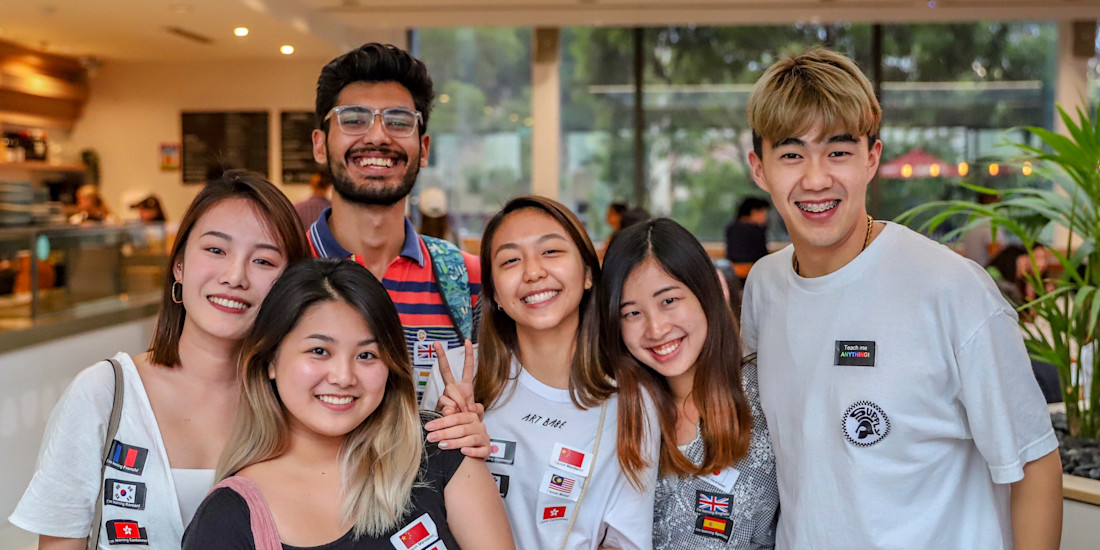
Language exchange programs typically involve pairing students who want to learn each other’s languages. For instance, a native Spanish speaker might partner with a native English speaker, allowing each participant to practice their target language while helping their partner improve their own. These exchanges can take place in person or online, making them accessible to a wide range of students.
Benefits of Language Exchange Programs
- Improved Language Fluency: Regular practice with native speakers helps students enhance their speaking, listening, and comprehension skills. Engaging in conversations allows for real-time feedback and the opportunity to learn colloquial expressions and slang.
- Cultural Exchange: Language exchange programs foster cultural understanding and appreciation. Participants gain insights into each other’s traditions, customs, and daily life, enriching their educational experience.
- Building Confidence: Speaking a foreign language can be intimidating, but regular practice with a partner helps build confidence. Over time, students become more comfortable expressing themselves and navigating conversations.
- Networking Opportunities: Meeting people from different backgrounds can expand your social and professional network. Language exchange partners may become friends or valuable contacts in your future career.
- Flexibility and Convenience: Many language exchange programs offer flexible scheduling options, making it easy to fit practice sessions into busy university life. Online platforms allow students to connect with partners from around the world.
Real Stories from Language Exchange Participants
- Maria and John: Maria, a Spanish major, partnered with John, an English literature student. Through their weekly meetings, they not only improved their language skills but also discovered a shared passion for literature. They began discussing their favorite books and even started a mini book club, deepening their friendship and cultural exchange.
- Amina and Hiroshi: Amina, who wanted to learn Japanese, connected with Hiroshi, a native speaker. They used video calls to practice conversation and exchanged recipes from their respective cultures. Amina learned to make sushi, while Hiroshi enjoyed Amina’s traditional dishes. Their cultural exchange enriched their language practice and created lasting memories.
- Liam and Fatima: Liam, an international relations student, joined a language exchange program to improve his Arabic. He partnered with Fatima, who wanted to enhance her English skills. Through their conversations, they discussed global issues and shared their perspectives on current events, which not only improved their language skills but also broadened their worldviews.
Tips for Making the Most of Language Exchange Programs
- Set Clear Goals: Before starting, define what you want to achieve from the exchange. Whether it’s improving conversational skills, expanding vocabulary, or understanding cultural nuances, having clear goals will guide your sessions.
- Be Consistent: Regular practice is key to language learning. Schedule consistent meetings with your partner to ensure steady progress. Aim for at least one session per week to maintain momentum.
- Prepare Topics in Advance: To keep conversations engaging, prepare topics or questions in advance. This can include discussing current events, cultural traditions, or personal interests. Having a plan can help avoid awkward silences and keep the conversation flowing.
- Embrace Mistakes: Language learning involves making mistakes. Encourage each other to correct errors gently and view mistakes as learning opportunities. This supportive environment will foster growth and confidence.
- Utilize Technology: Use language learning apps, online resources, or video call platforms to enhance your sessions. Tools like Duolingo, Tandem, or HelloTalk can complement your practice and provide additional resources.
- Engage in Cultural Activities: Incorporate cultural elements into your exchange. Share music, films, or literature from your respective cultures. This not only enriches the experience but also deepens your understanding of the language.
- Be Open-Minded: Approach the exchange with an open mind and a willingness to learn. Embrace different perspectives and be respectful of cultural differences. This mindset will enhance both your language skills and cultural appreciation.
Conclusion
In conclusion, language exchange programs offer a unique and enriching experience for university students seeking to improve their language fluency and engage in cultural exchange. By connecting with native speakers, students can enhance their communication skills, build confidence, and foster meaningful relationships.
Real stories from participants highlight the transformative power of these programs, demonstrating how language exchange can lead to personal growth and lasting friendships. By setting clear goals, being consistent, and embracing cultural activities, you can make the most of your language exchange experience. Dive into the world of language exchange and unlock the benefits of improved fluency and cultural understanding!


 Fresh Graduate Sukses: Strategi Awal Karier yang Tepat
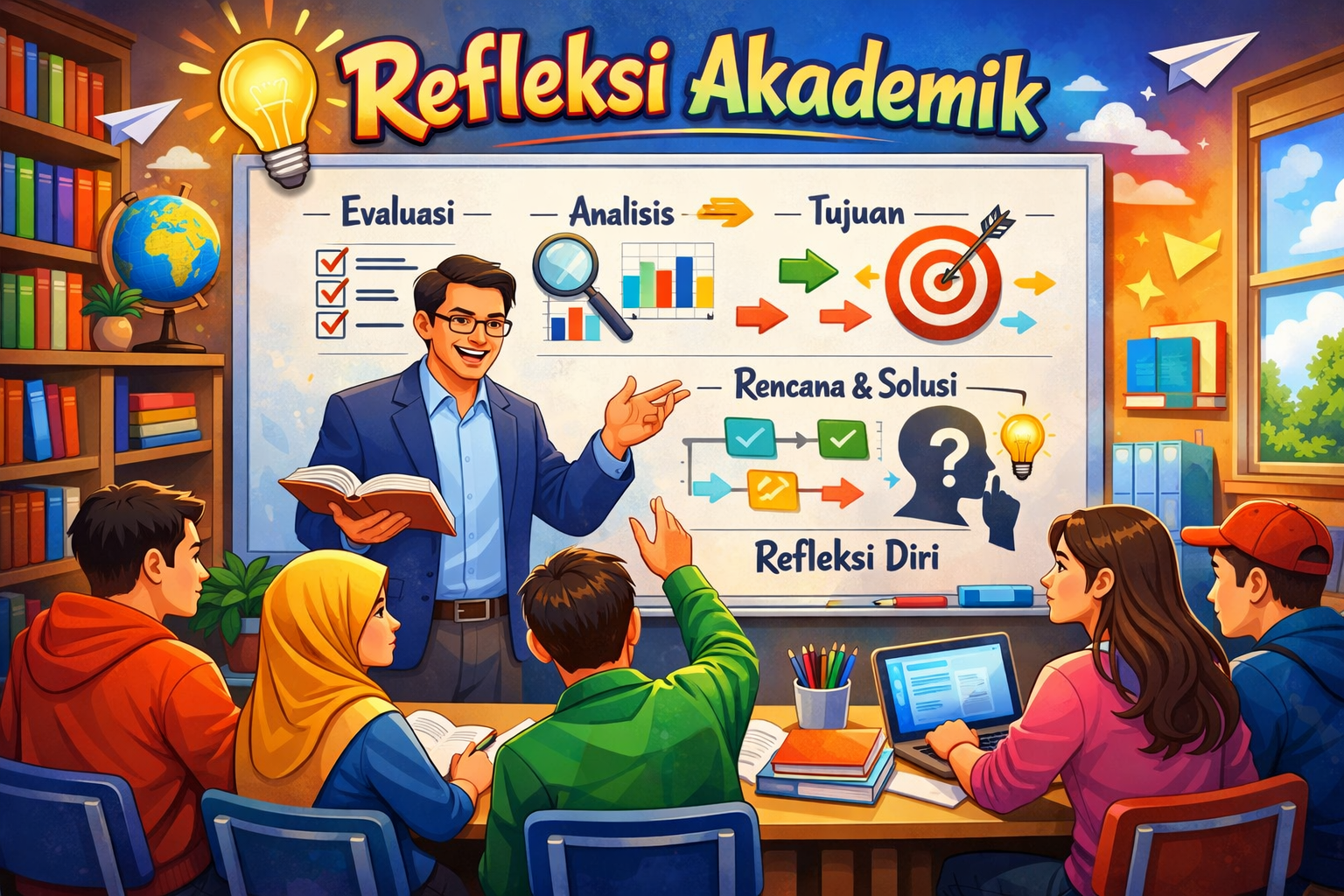 Refleksi Akademik: Cara Mahasiswa Memahami Proses Belajar Secara Lebih Dalam
 Program Pascasarjana: Gerbang Tingkat Lanjut Menuju Keunggulan Akademik
 Campus tours Insights: What to Look For & Questions to Ask for University Students – Real Tips That Matter