

JAKARTA, inca.ac.id – Language acquisition is a critical component of academic success in today’s globalized world. For university students, mastering a new language can open doors to diverse opportunities, enhance cultural understanding, and improve communication skills. However, acquiring a new language in a university setting presents unique challenges. This article explores effective strategies for language acquisition that can help students succeed academically and personally.
Understanding Language Acquisition

1. Defining Language Acquisition
Language acquisition refers to the process of learning a language, encompassing both the comprehension and production of spoken and written language. It involves various stages and can occur through formal education, immersion experiences, and practical application. Understanding the difference between language acquisition and language learning is essential:
- Language Acquisition: Typically refers to the natural and subconscious process of acquiring language, often associated with early childhood development.
- Language Learning: Involves a more conscious and structured approach, often taking place in educational settings.
2. The Importance of Language Acquisition in University
Acquiring a new language in university is vital for several reasons:
- Academic Success: Proficiency in the language of instruction is essential for understanding course materials, participating in discussions, and completing assignments.
- Cultural Competence: Language acquisition fosters cultural understanding and appreciation, enabling students to engage meaningfully with diverse communities.
- Career Opportunities: In a progressively interconnected job market, being multilingual is a significant advantage. Employers frequently look for candidates who can communicate proficiently in several languages.
- Personal Growth: Learning a new language enhances cognitive abilities, boosts confidence, and promotes lifelong learning.
Challenges in Language Acquisition
While the benefits of language acquisition are clear, several challenges can hinder students’ progress:
1. Limited Exposure
Students may have limited opportunities to practice the language outside the classroom, which can slow their acquisition process.
2. Anxiety and Fear of Mistakes
Many students experience anxiety about speaking or writing in a new language, which can impede their willingness to practice and engage.
3. Varying Proficiency Levels
In diverse classrooms, students may have different levels of language proficiency, making it challenging for instructors to address everyone’s needs effectively.
4. Time Constraints
Balancing language acquisition with other academic responsibilities can be difficult, especially for students with heavy course loads or part-time jobs.
Strategies for Successful Language Acquisition
To overcome these challenges and enhance language acquisition, students can implement several effective strategies:
1. Immersive Learning Experiences
Experience
Immersion is one of the most effective ways to acquire a new language. Engaging with the language in real-life contexts accelerates learning and builds confidence.
Strategies Implemented
- Study Abroad Programs: Participate in study abroad programs where students can immerse themselves in a culture where the target language is spoken. This experience provides opportunities for daily practice and cultural exchange.
- Language Exchange Partnerships: Establish language exchange partnerships with native speakers. This can involve meeting regularly to practice conversation, allowing both partners to learn from each other.
- Cultural Activities: Attend cultural events, workshops, or community activities related to the target language. Engaging in cultural experiences enhances language learning and fosters a deeper understanding of cultural nuances.
2. Practical Application of Language Skills
Experience
Applying language skills in practical situations reinforces learning and helps students gain confidence in their abilities.
Strategies Implemented
- Participate in Class Discussions: Actively engage in class discussions and group projects in the target language. This practice helps students become comfortable using the language in academic contexts.
- Volunteer Opportunities: Seek volunteer opportunities that require the use of the target language. This can include tutoring, community service, or working with organizations that serve multilingual populations.
- Internships: Pursue internships or part-time jobs that involve using the target language. Real-world experience enhances language proficiency and provides valuable professional skills.
3. Utilize Technology and Online Resources
Experience
Technology can be a powerful tool for language acquisition, providing access to a wealth of resources and interactive learning opportunities.
Strategies Implemented
- Language Learning Apps: Use language learning apps (e.g., Duolingo, Babbel, Rosetta Stone) to practice vocabulary, grammar, and pronunciation on a daily basis. These apps often incorporate gamification elements to make learning fun and engaging.
- Online Language Courses: Enroll in online courses or webinars that focus on specific language skills, such as conversation, writing, or business language. These courses can complement classroom learning and provide additional practice.
- Social Media and Online Communities: Join online language communities or follow social media accounts that focus on language learning. Engaging with native speakers and fellow learners can enhance motivation and provide support.
4. Create a Supportive Learning Environment
Experience
A supportive learning environment encourages students to take risks and practice their language skills without fear of judgment.
Strategies Implemented
- Form Study Groups: Create or join study groups with peers who are also learning the language. Collaborative learning fosters a sense of community and provides opportunities for practice and feedback.
- Seek Feedback from Instructors: Regularly seek feedback from instructors on language skills. Constructive feedback can help students identify areas for improvement and build confidence.
- Practice Regularly: Establish a routine for language practice that includes speaking, writing, listening, and reading. Consistency is key to language acquisition.
5. Focus on Cultural Context
Experience
Understanding the cultural context of a language enhances language acquisition and promotes effective communication.
Strategies Implemented
- Explore Cultural Materials: Engage with literature, films, music, and other cultural materials in the target language. This exposure helps students understand cultural nuances and idiomatic expressions.
- Participate in Cultural Exchanges: Join cultural exchange programs or clubs that focus on the traditions and customs of the target language’s culture. This involvement deepens cultural understanding and enriches language learning.
- Attend Workshops: Participate in workshops that focus on cultural aspects of the language, such as cooking classes, art workshops, or traditional music sessions.
Measuring Progress in Language Acquisition
To evaluate language acquisition progress, students can implement various measurement strategies:
1. Self-Assessment Tools
Encourage students to use self-assessment tools to evaluate their language skills and set personal goals for improvement. This reflection can help students identify areas for growth.
2. Regular Quizzes and Tests
Participate in regular quizzes and tests to assess language proficiency. These assessments can provide a benchmark for progress and highlight areas that need further attention.
3. Feedback from Peers and Instructors
Gather feedback from peers and instructors to assess language abilities and contributions. Constructive feedback can provide insights into strengths and areas for improvement.
4. Track Participation and Engagement
Monitor participation in language-related activities, such as study groups, cultural events, and language exchange meetings. High levels of engagement can indicate a positive impact on language acquisition.
Conclusion
Language acquisition is a vital skill for university students, enhancing academic success, cultural competence, and career opportunities. By implementing effective strategies such as immersive learning experiences, practical application of language skills, leveraging technology, creating a supportive learning environment, and focusing on cultural context, students can overcome challenges and achieve their language learning goals.
Ultimately, language acquisition is not just about mastering vocabulary and grammar; it is about developing the ability to communicate effectively and connect with others across cultures. As students enhance their language skills, they prepare themselves for a future rich with opportunities and significant interactions in a progressively globalized world. By prioritizing language acquisition in their university experience, students can become confident and capable communicators, ready to navigate diverse environments and contribute positively to society.
Improve Your Abilities: Explore Our content on Knowledge
Take a Look at Our Latest Article on Cultural Awareness!
Penulis

#language acquisition #language learning #student tips #study hacks #university success
Related Posts
 Kerja Tim Efektif untuk Mahasiswa di Era Kolaboratif
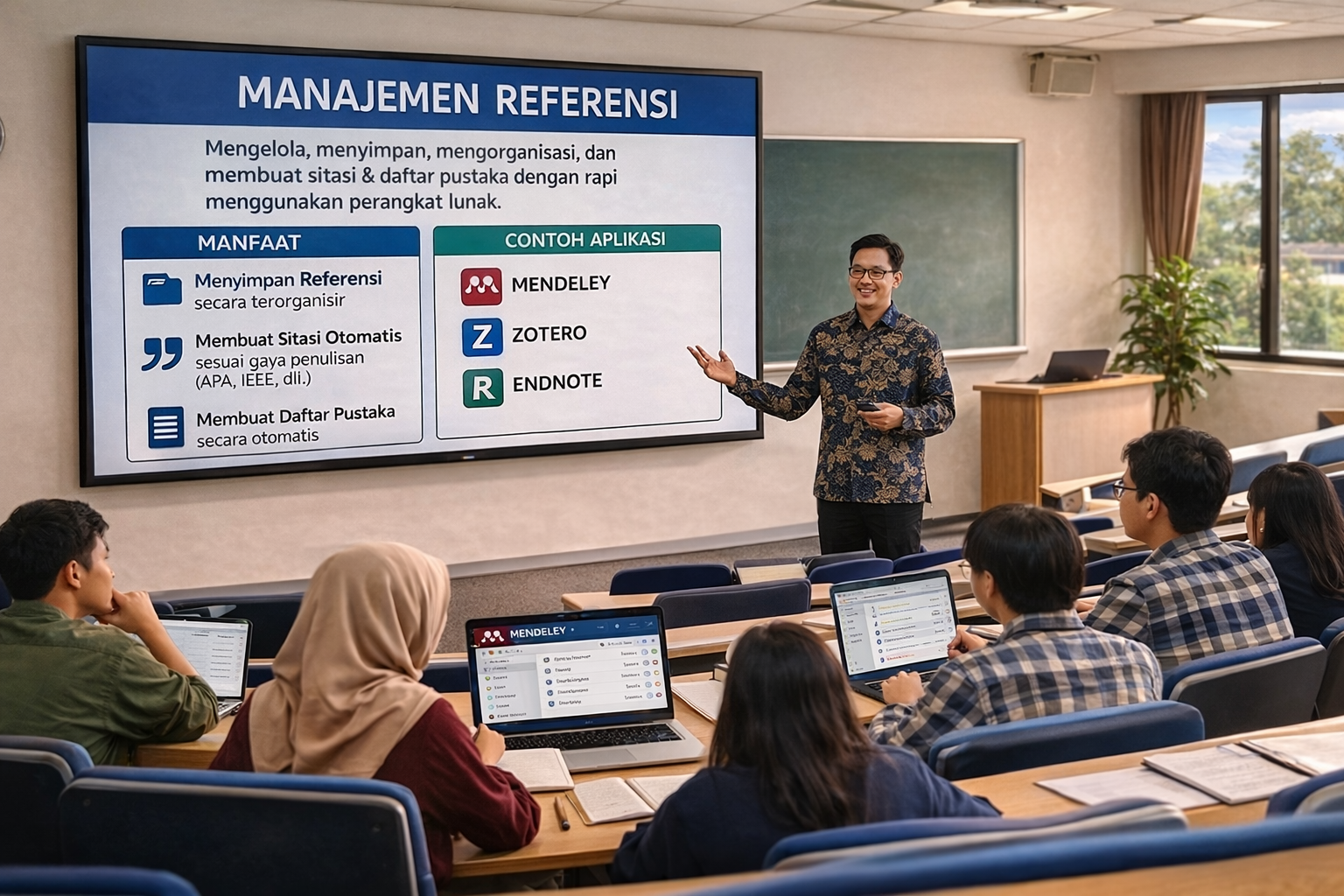 Manajemen Referensi: Cara Efektif Mahasiswa Mengelola Sumber Akademik
 Program MBA: Gerbang Transformasi Karier Global yang Kompetitif
 Campus sustainability Initiatives: Eco-Friendly Tips & Projects for University Students