Navigating the world of laboratory work can be both exciting and challenging for university students. Understanding and adhering to lab safety protocols is crucial for ensuring a safe and productive environment. In this guide, I’ll share essential guidelines and best practices for lab safety, along with my must-know survival tips to help you thrive in your academic pursuits.
Understanding Lab Safety Protocols
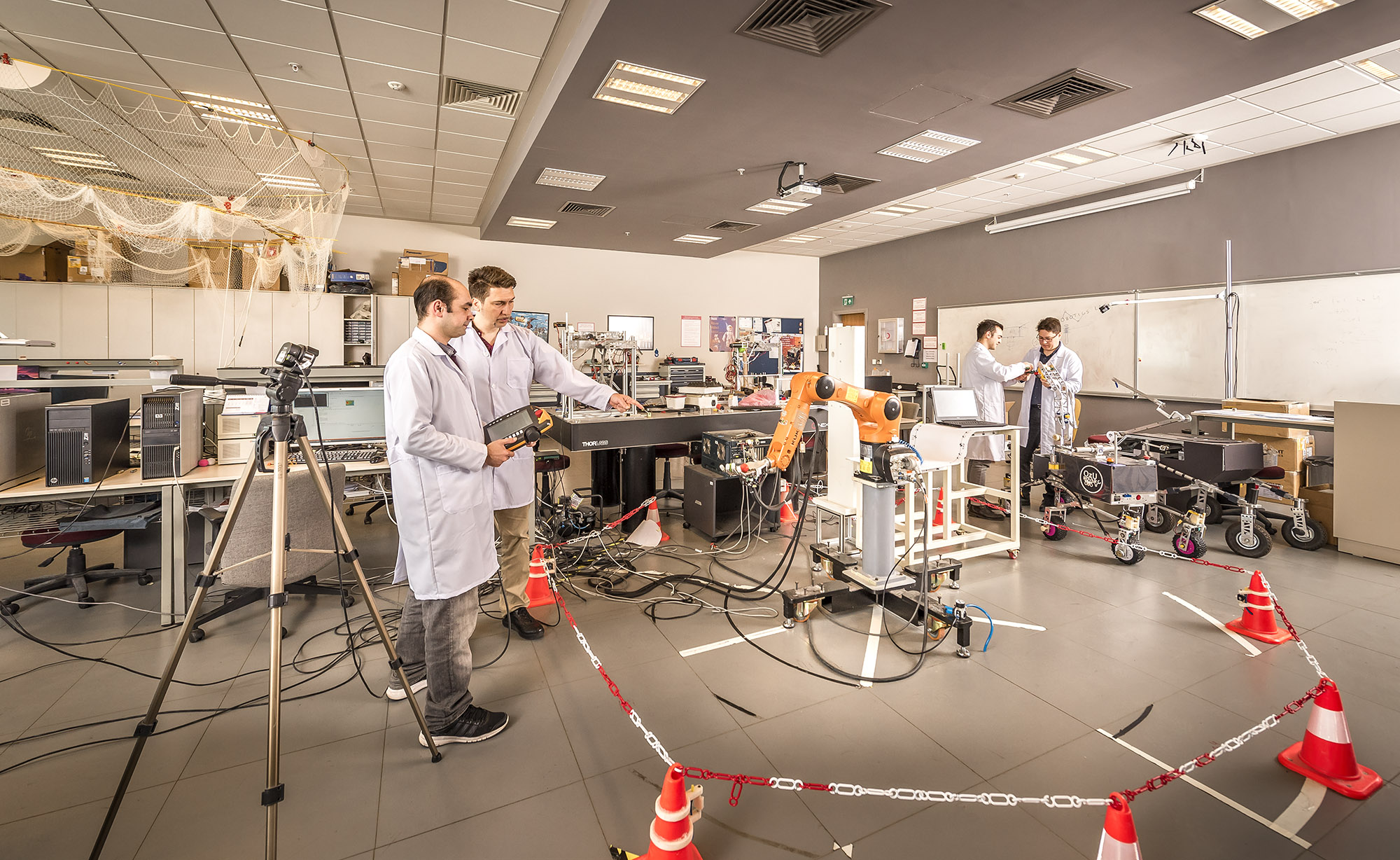
Lab safety protocols are a set of guidelines designed to minimize risks and ensure the well-being of students, faculty, and staff in laboratory environments. These protocols cover various aspects, including chemical handling, equipment usage, personal protective equipment (PPE), and emergency procedures. Here are some essential lab safety protocols to keep in mind:
- Know the Lab Environment: Familiarize yourself with the layout of the lab, including emergency exits, safety equipment (such as eyewash stations and fire extinguishers), and storage areas for hazardous materials.
- Use Personal Protective Equipment (PPE): Always put on the proper personal protective equipment—such as lab coats, gloves, safety goggles, and face shields—tailored to each lab activity. These items shield you from chemical spills, splashes, and other potential hazards.
- Read Material Safety Data Sheets (MSDS): Before working with any chemicals, review the MSDS for each substance. These sheets provide crucial information about the chemical’s properties, hazards, handling instructions, and first-aid measures.
- Proper Chemical Handling: Always follow proper procedures for handling, storing, and disposing of chemicals. Label all containers clearly and ensure that incompatible substances are stored separately to prevent reactions.
- Maintain a Clean Workspace: Keep your work area organized and free of clutter. Clean up spills immediately and dispose of waste materials according to your lab’s guidelines. A tidy workspace reduces the risk of accidents.
- Use Equipment Safely: Follow operating instructions for all lab equipment. Never use equipment you are unfamiliar with without proper training. Report any malfunctioning equipment to your instructor or lab supervisor immediately.
- Practice Good Hygiene: Wash your hands thoroughly after handling chemicals, biological materials, or equipment. Avoid touching your face, eating, or drinking in the lab to prevent contamination.
My Must-Know Survival Tips
- Stay Informed: Attend all safety training sessions provided by your university. Stay updated on any changes to lab protocols and procedures. Knowledge is your first line of defense against accidents.
- Ask Questions: If you’re unsure about any procedure or safety protocol, don’t hesitate to ask your instructor or lab supervisor for clarification. It’s better to seek guidance than to proceed with uncertainty.
- Buddy System: Whenever possible, work with a partner in the lab. Having someone else present can provide additional support in case of an emergency and can help ensure that safety protocols are followed.
- Know Emergency Procedures: Familiarize yourself with emergency procedures specific to your lab, including evacuation routes, fire drills, and protocols for chemical spills or accidents. Knowing what to do in an emergency can save lives.
- Stay Focused: Avoid distractions while working in the lab. Stay focused on your tasks, and refrain from engaging in non-lab-related conversations or activities that could lead to accidents.
- Document Everything: Keep detailed records of your experiments, including procedures, observations, and any incidents that occur. Documentation is essential for safety reviews and can help identify areas for improvement.
- Take Breaks: Lab work can be intense, so be sure to take regular breaks to clear your mind and stay alert. Fatigue can lead to mistakes, so listen to your body and step away when needed.
- Review Incident Reports: If there are incidents in the lab, review the reports to understand what went wrong and how similar situations can be avoided in the future. Learning from past mistakes is crucial for improving safety.
Conclusion
In conclusion, adhering to lab safety protocols is essential for ensuring a safe and productive laboratory environment. By understanding the guidelines, practicing good habits, and following my must-know survival tips, you can navigate your lab experiences with confidence and competence.Protective Equipment
Remember, safety is a shared responsibility. By prioritizing safety and being proactive, you contribute not only to your well-being but also to the safety of your peers. Embrace the opportunity to learn and grow in the lab, and always prioritize safety in your academic journey!



 Fresh Graduate Sukses: Strategi Awal Karier yang Tepat
 Refleksi Akademik: Cara Mahasiswa Memahami Proses Belajar Secara Lebih Dalam
 Program Pascasarjana: Gerbang Tingkat Lanjut Menuju Keunggulan Akademik
 Campus tours Insights: What to Look For & Questions to Ask for University Students – Real Tips That Matter