
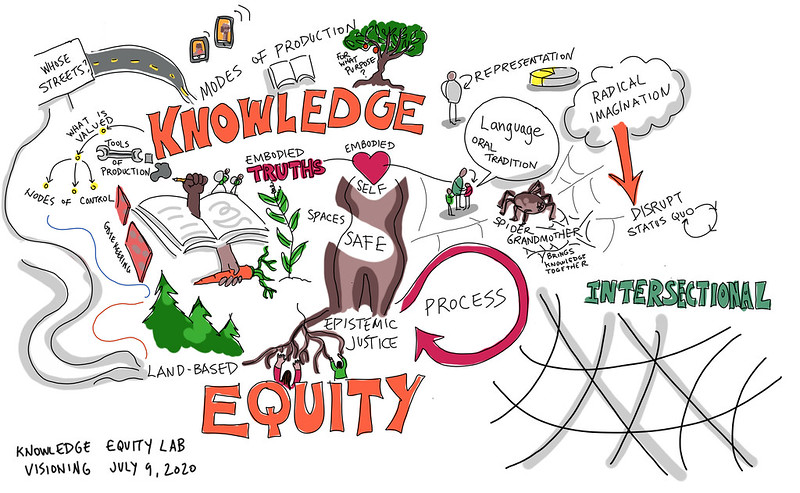
JAKARTA, inca.ac.id – Knowledge Equity: Closing Gaps in Campus Learning has been a hot topic lately—and honestly, it hits close to home. I remember when I first got to campus, I totally underestimated how not everyone starts from the same place. Some friends had access to cool learning resources, like slick laptops or high-speed Wi-Fi, while others were hustling just to find stable internet at the warteg next door. It really made me rethink how uneven the playing field was.
Knowledge equity refers to the fair distribution of knowledge and resources within educational environments, ensuring that all students have equal access to learning opportunities and support. In a diverse campus setting, addressing knowledge equity is crucial for fostering an inclusive and effective learning environment. In this article, I will share my experiences related to knowledge equity, discuss the challenges faced in campus learning, and provide practical tips for closing gaps and promoting equitable learning for all students.
The Importance of Knowledge Equity

1. Fostering Inclusivity
Knowledge equity is essential for creating an inclusive educational environment where all students feel valued and supported. By recognizing and addressing disparities in access to resources, institutions can create a sense of belonging and community among students from diverse backgrounds.
2. Enhancing Academic Success
When students have equal access to knowledge and support, they are more likely to succeed academically. Knowledge equity helps to eliminate barriers that may hinder learning, allowing all students to perform to their fullest potential. This leads to improved retention rates and overall student success.
3. Preparing Students for a Diverse World
In today’s global society, understanding and appreciating diversity is critical. Promoting knowledge equity in education prepares students to engage with a variety of perspectives and experiences, equipping them with the skills needed to navigate an increasingly interconnected world.
My Real Talk: Experiences with Knowledge Equity
1. Recognizing Disparities
During my time in college, I became increasingly aware of the disparities in access to resources among my peers. For example, I noticed that some students had access to tutoring services, academic workshops, and mentorship programs, while others, particularly those from underrepresented backgrounds, struggled to find support. This realization motivated me to take action.
2. Getting Involved
To address these disparities, I joined a student organization focused on promoting knowledge equity on campus. We organized events that aimed to raise awareness about the challenges faced by marginalized students and advocated for more inclusive policies and resources. Through this involvement, I learned the importance of collaboration and community engagement in driving change.
3. Collaborating with Faculty
I also sought opportunities to collaborate with faculty members who were passionate about promoting knowledge equity. Together, we developed workshops aimed at improving students’ study skills and academic confidence. These workshops provided valuable resources to students who might not have otherwise sought help.
Pro Tips for Promoting Knowledge Equity on Campus
1. Assess Current Resources and Gaps
Conduct an assessment of the resources available on campus and identify gaps in support for students. This can be done through surveys, focus groups, or discussions with student organizations. Understanding the specific needs of the student body will help you tailor initiatives to address those gaps effectively.
2. Foster Collaboration Between Departments
Encourage collaboration between academic departments, student services, and community organizations to create comprehensive support systems for students. This can include joint workshops, resource-sharing initiatives, and mentorship programs that leverage the strengths of various departments.
3. Provide Training for Faculty and Staff
Offer professional development opportunities for faculty and staff focused on understanding and addressing knowledge equity. Training can include topics such as culturally responsive teaching, inclusive pedagogy, and strategies for supporting diverse learners. Equipping educators with the right tools will enhance their ability to support all students effectively.
4. Create Peer Mentorship Programs
Establish peer mentorship programs that connect students with upperclassmen or graduate students who can provide guidance and support. These programs can help bridge the gap for students who may feel overwhelmed or isolated, fostering a sense of community and belonging.
5. Utilize Technology to Enhance Access
Leverage technology to provide equitable access to learning resources. This can include online tutoring platforms, virtual workshops, and digital libraries. Ensuring that all students have access to the necessary tools and resources, regardless of their circumstances, is crucial for promoting knowledge equity.
6. Advocate for Policy Changes
Work with student government and administration to advocate for policies that promote knowledge equity. This can include increasing funding for academic support services, expanding access to scholarships, and implementing initiatives aimed at reducing barriers to education for underrepresented groups.
Conclusion
Knowledge equity is a vital component of creating an inclusive and effective learning environment on college campuses. Through my experiences, I have witnessed the importance of recognizing disparities, getting involved, and collaborating with others to promote equitable access to knowledge and resources. By assessing current gaps, fostering collaboration, providing training, creating mentorship programs, utilizing technology, and advocating for policy changes, we can work together to close the gaps in campus learning and ensure that all students have the opportunity to succeed. Embracing knowledge equity not only benefits individual students but enriches the entire educational community, preparing us for a diverse and interconnected world.
Improve Your Abilities: Explore Our content on Knowledge
Take a Look at Our Latest Article on Student Workshops: Facilitating Skill Development in College!
Penulis

#campus learning #closing gaps #education #helpful tips #Knowledge Equity #Personal Story #student experience
Related Posts
 Fresh Graduate Sukses: Strategi Awal Karier yang Tepat
 Refleksi Akademik: Cara Mahasiswa Memahami Proses Belajar Secara Lebih Dalam
 Program Pascasarjana: Gerbang Tingkat Lanjut Menuju Keunggulan Akademik
 Campus tours Insights: What to Look For & Questions to Ask for University Students – Real Tips That Matter