

JAKARTA, inca.ac.id – Effective Study Habits: Mastering Your Learning Process isn’t just something we dream about—it’s a real game-changer, trust me. I used to pull all-nighters hoping stuff would magically stick in my brain. Spoiler: It didn’t. Once I started tweaking my habits, though? Whoa. Everything changed.
Developing effective study habits is crucial for academic success and personal growth. Whether you are in high school, college, or pursuing lifelong learning, mastering your learning process can lead to significant improvements in understanding and retention of knowledge. This guide explores proven effective study habits that can enhance your learning experience and yield real results.
1. Set Clear Goals
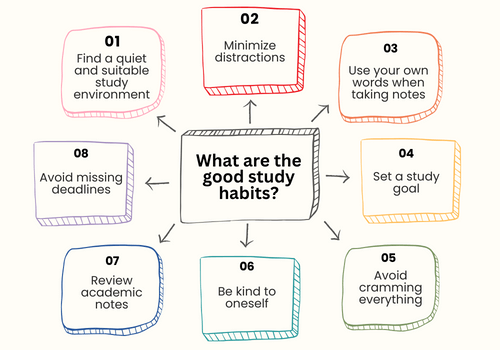
Establishing clear and achievable goals is the foundation of effective studying. Define what you want to accomplish in each study session. Use the SMART criteria—Specific, Measurable, Achievable, Relevant, and Time-bound—to create well-defined goals. For example, instead of saying, “I want to study math,” set a goal like, “I will complete Chapter 4 and solve all the practice problems by Friday.” This clarity provides direction and motivation, making it easier to track your progress.
2. Create a Study Schedule
A structured study schedule helps you manage your time effectively and ensures that you allocate sufficient time to each subject. Break your study sessions into manageable chunks and include regular breaks to avoid burnout. Tools like planners, calendars, or digital apps can help you organize your study time. Consistency is key; try to study at the same time each day to develop a routine that reinforces your learning.
3. Find Your Optimal Study Environment
Your study environment can significantly impact your focus and productivity. Identify a space that minimizes distractions and promotes concentration. This could be a quiet library, a dedicated study room, or a comfortable café. Ensure your study area is well-lit, organized, and equipped with all the necessary materials. Personalizing your space with motivational quotes or plants can also create a positive atmosphere conducive to learning.
4. Use Active Learning Techniques
Active learning involves engaging with the material in ways that enhance understanding and retention. Instead of passively reading or highlighting, try these techniques:
– Summarization
After reading a chapter, summarize the main points in your own words.
– Self-Explanation
Teach the material to someone else or explain it out loud to yourself.
– Practice Problems
Work through practice questions or problems to apply what you’ve learned.
These methods encourage deeper processing of information and help reinforce your understanding.
5. Implement the Pomodoro Technique
The Pomodoro Technique is a time management method that can enhance focus and productivity. It involves studying for 25 minutes, followed by a 5-minute break. After completing four cycles, take a longer break of 15-30 minutes. This technique helps maintain concentration while preventing fatigue. During breaks, engage in activities that refresh your mind, such as stretching, walking, or having a snack.
6. Take Effective Notes
Good note-taking is crucial for retaining information. Develop a note-taking system that works for you, whether it’s the Cornell method, outlining, or using mind maps. Focus on capturing key concepts, definitions, and examples during lectures or while reading. Review and revise your notes regularly to reinforce your understanding and fill in any gaps.
7. Utilize Technology Wisely
Leverage technology to enhance your study process. Use educational apps and tools designed to support learning, such as:
– Flashcard Apps
(e.g., Anki, Quizlet): For memorizing terms and concepts.
– Task Management Tools
(e.g., Todoist, Trello): To keep track of assignments and deadlines.
– Note-Taking Apps
(e.g., Evernote, Notion): For organizing your notes and resources.
These tools can streamline your study process and make it easier to access information when needed.
8. Join Study Groups
Collaborating with peers can enhance your understanding of the material. Join or form study groups where you can discuss concepts, quiz each other, and share resources. Group study encourages accountability and allows for diverse perspectives, which can deepen your comprehension of complex subjects. However, ensure that the group remains focused on studying to maximize productivity.
9. Practice Self-Care
Maintaining a healthy lifestyle is crucial for academic success. Prioritize self-care by ensuring you get enough sleep, eat nutritious meals, and engage in regular physical activity. Taking care of your mental and emotional well-being is equally important; practice mindfulness, meditation, or relaxation techniques to manage stress. A healthy body and mind contribute to better focus, energy levels, and overall academic performance.
10. Reflect and Adjust
Regularly reflect on your study habits and academic performance. After each exam or assignment, take time to evaluate what worked well and what didn’t. Consider questions such as: What strategies helped me understand the material? Where did I struggle? How can I adjust my approach for next time? This reflective practice fosters continuous improvement and helps you develop a personalized study plan that suits your learning style.
Conclusion
Mastering effective study habits is essential for achieving academic success and maximizing your learning potential. By setting clear goals, creating a structured study schedule, utilizing active learning techniques, and prioritizing self-care, you can enhance your understanding and retention of material. Remember that everyone learns differently, so it may take time to find the strategies that work best for you.
Implementing these effective study habits can empower you to take charge of your education and achieve real results. Embrace the challenges and celebrate your progress along the way. With dedication and the right strategies, you can excel academically and lay the foundation for future success in your studies and beyond.
Improve Your Abilities: Explore Our content on Knowledge
Take a Look at Our Latest Article on Faculty Evaluations: Assessing Teaching Effectiveness!
Penulis

#Effective Study Habits #Learning Process #productivity #student life #Study Tips
Related Posts
 Berpikir Sistematis: Skill Wajib Mahasiswa Masa Kini
 Kalkulus Lanjut: Pilar Pemahaman Matematika Tingkat Tinggi
 Paramedicine Skills: Providing Urgent Care in College—What I Wish I Knew
 Problem Solving sebagai Bekal Utama Mahasiswa Modern