Correctional services play a crucial role in the rehabilitation of offenders, aiming to reintegrate them into society as productive members. My journey into understanding this process through a college program focused on correctional services has been both enlightening and surprising. This article shares my experiences, insights gained, and key takeaways from working with offenders in a college setting.
1. Understanding Correctional Services

Correctional services encompass various programs and interventions designed to manage individuals who have committed crimes. These services aim not only to punish but also to rehabilitate offenders, helping them reintegrate into society. The core components of correctional services include:
– Incarceration
- Prisons and Jails: Offenders serve their sentences in facilities designed for punishment and rehabilitation. The conditions and programs available in these facilities can greatly impact an inmate’s ability to reform.
– Community-Based Programs
- Probation and Parole: Many offenders are given the opportunity to serve their sentences in the community under supervision. These programs focus on rehabilitation and reducing recidivism.
– Educational and Vocational Training
- Rehabilitation Programs: Correctional services often include educational and vocational training programs aimed at equipping offenders with skills necessary for employment upon release.
2. My Surprising Experience
Participating in a college program focused on correctional services provided me with unique insights into the challenges and successes of rehabilitating offenders. Here are some surprising aspects of my experience:
– The Impact of Education
- Transformative Power of Learning: I witnessed firsthand how educational programs within correctional facilities can transform lives. Many offenders expressed a newfound sense of purpose and direction through their studies, leading to improved behavior and attitudes.
- Desire for Change: Contrary to common perceptions, many offenders genuinely want to change their lives. They are often eager to learn and develop skills that will help them reintegrate into society.
– The Role of Support Systems
- Importance of Mentorship: Support from educators, counselors, and peers plays a significant role in an offender’s rehabilitation. Building trust and providing encouragement can make a substantial difference in their journey toward reintegration.
- Community Involvement: Engaging the community in rehabilitation efforts is vital. Programs that involve volunteers and local organizations can provide additional support and resources for offenders.
3. Key Takeaways
Through my experiences in the correctional services program, I have identified several key takeaways that highlight the importance of rehabilitation and the role of education in the correctional system:
– Focus on Rehabilitation, Not Punishment
- Shift in Perspective: The primary goal of correctional services should be rehabilitation rather than punishment. By focusing on helping offenders develop skills and address the root causes of their behavior, we can reduce recidivism rates and promote public safety.
– Education is Essential
- Investing in Learning: Providing educational opportunities within correctional facilities is crucial. Education not only equips offenders with practical skills but also fosters personal growth and self-esteem.
– Building Relationships is Key
- Trust and Communication: Establishing strong relationships between offenders and correctional staff, educators, and mentors is essential for effective rehabilitation. Open communication and trust can facilitate positive change.
– Community Engagement Matters
- Collaborative Efforts: Involving the community in rehabilitation efforts can enhance the support systems available to offenders. Collaborative programs can provide resources, mentorship, and job opportunities that are critical for successful reintegration.
4. Conclusion
In conclusion, my experience with correctional services in a college setting has been both enlightening and transformative. Understanding the complexities of rehabilitating offenders has highlighted the importance of education, support systems, and community engagement in the correctional process. By focusing on rehabilitation rather than punishment, we can create pathways for offenders to reintegrate into society successfully. This experience has reinforced my belief in the potential for change and the vital role that correctional services play in shaping a safer and more just society.



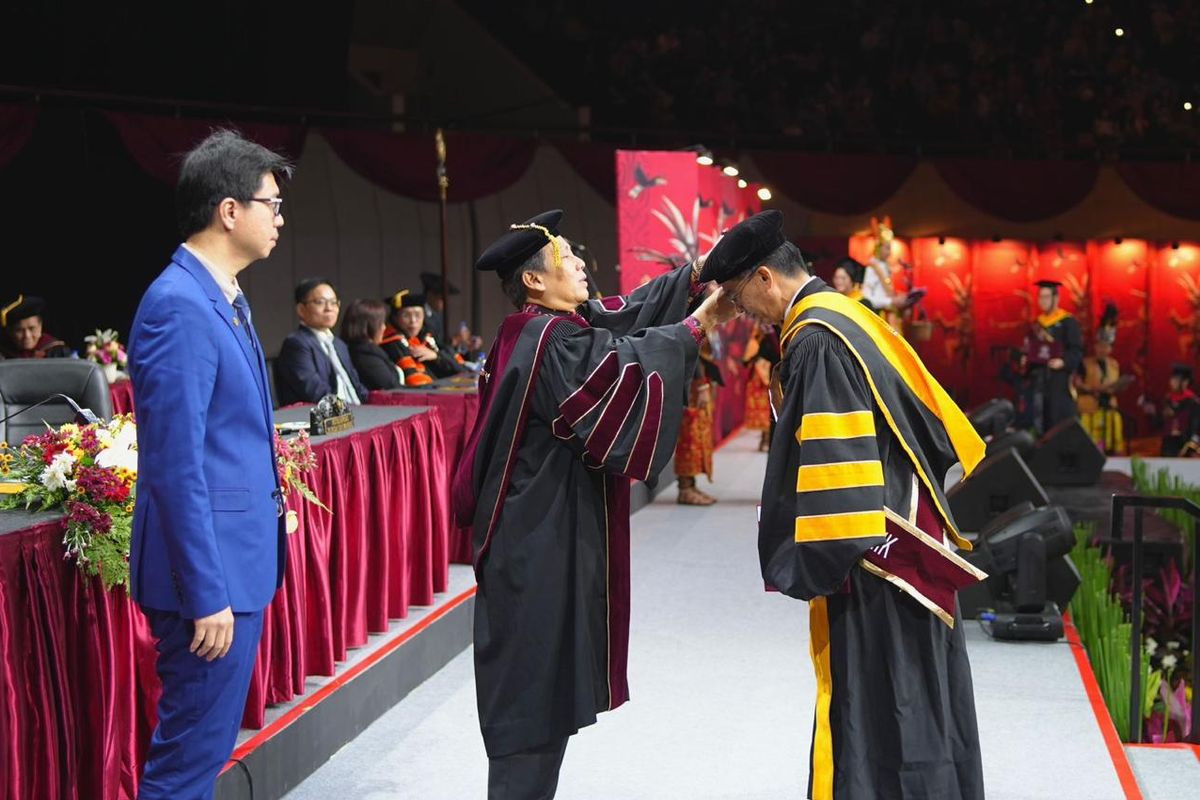 Fresh Graduate Sukses: Strategi Awal Karier yang Tepat
 Refleksi Akademik: Cara Mahasiswa Memahami Proses Belajar Secara Lebih Dalam
 Program Pascasarjana: Gerbang Tingkat Lanjut Menuju Keunggulan Akademik
 Campus tours Insights: What to Look For & Questions to Ask for University Students – Real Tips That Matter