
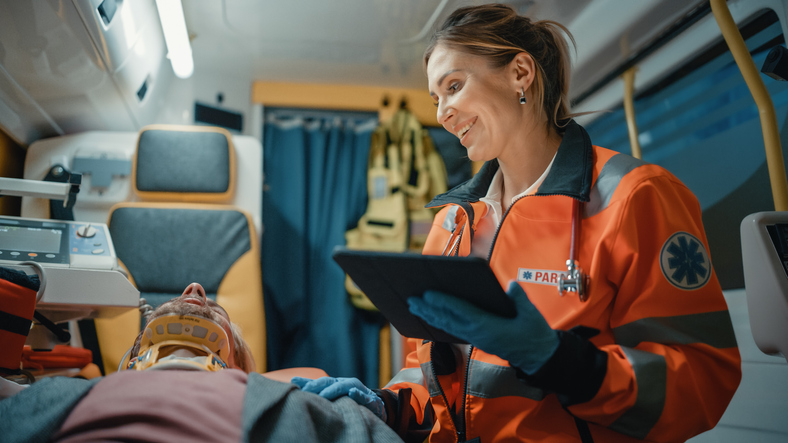
JAKARTA, inca.ac.id – Paramedicine Skills: Providing Urgent Care in College opened my eyes to so much more than just textbook stuff. Honestly, you can never anticipate those moments when a friend faints after a long practice, or someone gets a nasty cut in the middle of a study marathon. Trust me, I’ve been there—sweaty palms, heart racing, yet somehow my paramedicine training kicked in.
Paramedicine skills are essential for providing urgent care in emergency situations. As students in college, many may not realize the significance of these skills, whether they are pursuing a career in healthcare or simply want to be prepared for emergencies. This article discusses the critical paramedicine skills that can be invaluable during college years, sharing insights on what I wish I knew about providing urgent care.
1. Understanding Paramedicine

Paramedicine is a branch of emergency medical services (EMS) that focuses on the assessment and treatment of patients in urgent situations. Paramedics are trained to provide immediate care, stabilize patients, and transport them to medical facilities when necessary.
– Key Responsibilities of Paramedics
- Assessment: Quickly evaluating a patient’s condition to determine the severity of their illness or injury.
- Intervention: Administering life-saving treatments, such as CPR, wound care, and medication administration.
- Transport: Safely transporting patients to hospitals while continuing to provide care en route.
2. Essential Paramedicine Skills
Developing paramedicine skills can empower college students to respond effectively in emergencies. Here are some critical skills to master:
– Basic Life Support (BLS)
- CPR: Knowing how to perform cardiopulmonary resuscitation (CPR) is vital. This skill can save lives in cases of cardiac arrest. Familiarize yourself with the proper techniques for adult, child, and infant CPR.
- Using an AED: Learn how to use an Automated External Defibrillator (AED). These devices are often found in public spaces and can restore a normal heart rhythm during a cardiac emergency.
– First Aid Techniques
- Wound Care: Understand how to clean and dress wounds to prevent infection. Knowing how to apply pressure to stop bleeding is also crucial.
- Recognizing Shock: Learn the signs of shock and how to manage it. This includes keeping the patient calm, lying down, and elevating their legs if no injuries prevent it.
– Patient Assessment Skills
- Primary Assessment: Master the ABCs of patient assessment—Airway, Breathing, and Circulation. Quickly identify any life-threatening conditions and address them immediately.
- Vital Signs Monitoring: Learn how to measure and interpret vital signs such as heart rate, respiratory rate, and blood pressure. This information is critical for understanding a patient’s condition.
3. Communication Skills
Effective communication is vital in paramedicine, especially in emergency situations. Here’s what to focus on:
– Clear and Concise Reporting
- Relay Information: Be prepared to communicate clearly with other healthcare professionals and emergency responders. This includes providing accurate information about the patient’s condition and the care provided.
- Active Listening: Practice active listening skills to understand the concerns of patients and bystanders. This can help you gather important information about the situation.
– Empathy and Support
- Providing Comfort: In emergencies, patients may be scared or anxious. Use empathetic communication to reassure them and provide emotional support.
- Engaging Bystanders: Encourage bystanders to assist in a calm and organized manner, ensuring that everyone knows their role in the situation.
4. Practical Experience and Training
Gaining practical experience is essential for developing paramedicine skills. Here’s how to get involved:
– Volunteer Opportunities
- Join Campus Emergency Services: Many colleges have student-run emergency response teams. Joining such a team can provide hands-on experience in emergency care and teamwork.
- Community Volunteering: Look for volunteer opportunities with local EMS agencies or hospitals. This experience can enhance your skills and provide valuable insights into the profession.
– Certification Courses
- First Aid and CPR Certification: Enroll in courses that offer certification in first aid and CPR. These courses often provide practical training and are recognized by employers and organizations.
- Emergency Medical Technician (EMT) Training: If you are serious about pursuing a career in paramedicine, consider enrolling in an EMT training program. This will provide a solid foundation in emergency care and patient management.
5. What I Wish I Knew
Reflecting on my journey, here are some key insights I wish I had known about paramedicine skills in college:
– The Value of Preparedness
- Always Be Ready: Emergencies can happen anywhere, at any time. Being prepared with the right skills and knowledge can make a significant difference in outcomes.
- Carry a First Aid Kit: Having a basic first aid kit on hand can help you respond quickly to minor injuries and emergencies.
– The Importance of Continuous Learning
- Stay Updated: The field of paramedicine is constantly evolving. Stay informed about new techniques, guidelines, and technologies by attending workshops and reading relevant literature.
- Practice Regularly: Skills can fade if not practiced regularly. Engage in simulations, drills, or refresher courses to keep your skills sharp.
6. Conclusion
In conclusion, developing paramedicine skills while in college is not only beneficial for those pursuing a career in healthcare but also for anyone who wants to be prepared for emergencies. By mastering essential skills such as basic life support, first aid techniques, patient assessment, and effective communication, you can make a significant impact in urgent situations. Engaging in practical experiences and continuous learning will further enhance your capabilities. Embrace the opportunity to learn these skills, and you’ll be better equipped to provide urgent care and support to those in need, ultimately making a positive difference in your community.
Explore our “Knowledge” category for more insightful content!
Don't forget to check out our previous article: Networking Skills: Building Professional Bonds in College
Penulis

#campus experience #College Life #emergency response #paramedicine skills #urgent care
Related Posts
 Kuliah Perdana Menjadi Langkah Awal Mahasiswa Mengenal Sistem Belajar dan Kehidupan Kampus
 Ilmu Kesehatan Anak Membantu Mahasiswa Memahami Kesehatan dan Perawatan Anak Sejak Dini
 Sosial Ekonomi Perikanan Membantu Mahasiswa Memahami Usaha, Masyarakat, dan Kehidupan di Sektor Perikanan
 Manajemen Pariwisata Membantu Mahasiswa Memahami Cara Mengelola Usaha dan Layanan Wisata