
JAKARTA, inca.ac.id – Behavioral Economics: Understanding Decisions in College isn’t just academic mumbo jumbo. Honestly, owning the way we decide stuff in college… It’s a wild ride! I still remember my first campus orientation—overwhelmed by course choices, new faces, and all those tempting club sign-ups. Looking back, the way I chose things (or didn’t choose, oops) makes way more sense after learning about Behavioral Economics.
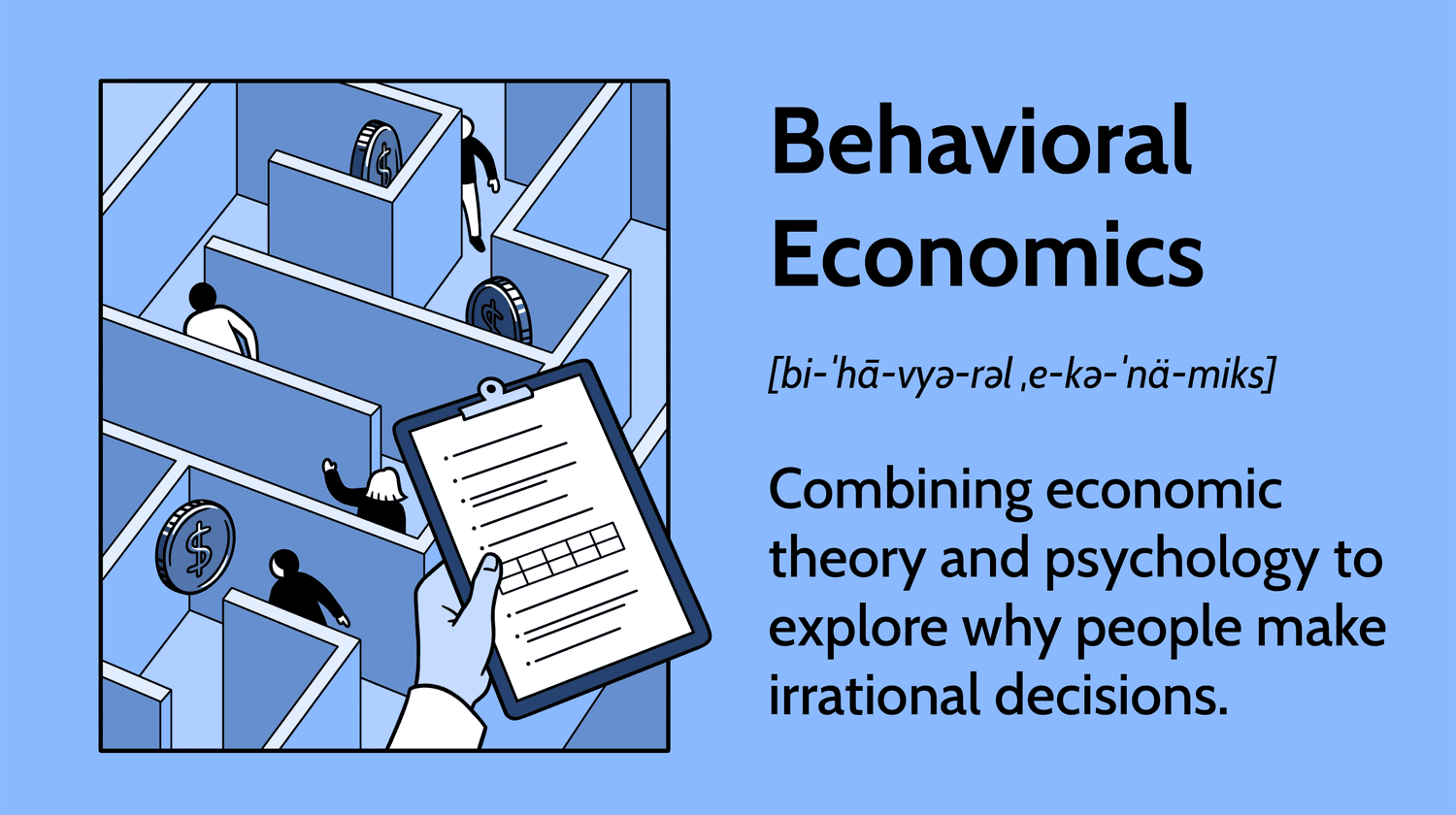
Behavioral economics is a fascinating field that combines insights from psychology and economics to explain why individuals make certain decisions, often in ways that deviate from traditional economic theory. In the context of college life, understanding the principles of behavioral economics can shed light on the choices students make regarding academics, social interactions, and personal finance. This guide will explore key concepts in behavioral economics, provide real-life examples from college experiences, and discuss how these insights can help students make better decisions on campus.
1. What is Behavioral Economics?

Behavioral economics examines how psychological factors influence economic decision-making. Unlike classical economics, which assumes that individuals are rational actors who always make decisions in their best interest, behavioral economics recognizes that emotions, cognitive biases, and social influences often play significant roles in shaping our choices.
Key Concepts in Behavioral Economics:
- Cognitive Biases: Systematic patterns of deviation from norm or rationality in judgment. Common biases include confirmation bias, anchoring, and loss aversion.
- Nudges: Subtle changes in the way choices are presented that can significantly alter behavior without restricting options. For example, placing healthy food at eye level in a cafeteria encourages healthier eating.
- Social Norms: The influence of societal expectations and peer behavior on individual choices. Students may be more likely to engage in certain behaviors if they perceive that their peers are doing the same.
2. My Experience with Behavioral Economics in College
Throughout my college years, I encountered various situations that illustrated the principles of behavioral economics in action. Here are some key experiences:
– The Impact of Social Norms on Study Habits
In my freshman year, I noticed that many of my peers would study late into the night, often fueled by caffeine and stress. Initially, I felt compelled to follow suit, believing that this was the norm for successful students.
Experience: Over time, I realized that this behavior was not conducive to my well-being or academic performance. By recognizing that my peers’ habits were influenced by social norms, I decided to prioritize a healthier study schedule, which ultimately improved my grades and mental health.
– Financial Decisions and Anchoring
During my sophomore year, I was faced with the decision of whether to purchase a new laptop or repair my old one. I initially anchored my decision on the cost of the new laptop, which was significantly higher than the repair cost.
Challenge: This anchoring led me to overlook the long-term benefits of investing in a new laptop that would enhance my productivity and reduce future repair costs.
3. Applying Behavioral Economics to Improve Decision-Making
Understanding the principles of behavioral economics can help students make better decisions in various aspects of college life. Here are some practical strategies:
– Recognize Cognitive Biases
Be aware of cognitive biases that may influence your decision-making. For example, confirmation bias can lead you to seek out information that supports your existing beliefs while ignoring contradictory evidence.
Tip: Challenge your assumptions by actively seeking diverse perspectives and engaging in critical thinking.
– Use Nudges to Your Advantage
Create an environment that encourages positive behaviors through nudges. For instance, if you want to eat healthier, place fruits and vegetables at the front of your refrigerator or use smaller plates to control portion sizes.
Example: In our campus dining hall, healthier options were prominently displayed, leading to increased consumption of nutritious foods among students.
– Leverage Social Norms
Utilize social norms to encourage positive behaviors among peers. If you want to promote study groups, emphasize how many students are already participating and benefiting from collaborative learning.
Real Story: I organized a study group for a challenging course and highlighted the fact that many students were attending. This created a sense of community and encouraged more classmates to join us.
4. Making Financial Decisions Wisely
Behavioral economics can also provide insights into managing personal finances while in college:
– Be Mindful of Impulse Purchases
Impulse purchases can derail your budget and financial goals. Recognize the triggers that lead to impulsive buying, such as stress or social pressure.
Tip: Implement a waiting period before making significant purchases. This practice allows you to evaluate whether the item is truly necessary.
– Set Clear Financial Goals
Establish specific financial goals, such as saving for a trip or paying off student loans. Clear goals can help you stay focused and resist temptations that may lead to financial setbacks.
Example: I set a goal to save a certain amount each month for a summer internship. By tracking my progress, I stayed motivated and made more informed spending choices.
5. Conclusion
Behavioral economics offers valuable insights into the decision-making processes of college students. By understanding the psychological factors that influence our choices, we can make more informed and beneficial decisions regarding academics, social interactions, and personal finances.
Through my experiences, I’ve learned that recognizing cognitive biases, leveraging nudges, and utilizing social norms can significantly enhance decision-making on campus. By applying these principles, students can navigate the complexities of college life with greater confidence and clarity.
As you embark on your college journey, take the time to reflect on your decisions and consider how behavioral economics can inform your choices. Embrace the opportunity to learn and grow, and use these insights to create a fulfilling and successful college experience.
Improve Your Abilities: Explore Our content on Knowledge
Take a Look at Our Latest Article on Assembly Themes: Uniting University Students With Shared Messages!
Penulis

#behavioral economics #campus life #college decisions #habits #psychology #student tips
Related Posts
 Kuliah Perdana Menjadi Langkah Awal Mahasiswa Mengenal Sistem Belajar dan Kehidupan Kampus
 Ilmu Kesehatan Anak Membantu Mahasiswa Memahami Kesehatan dan Perawatan Anak Sejak Dini
 Sosial Ekonomi Perikanan Membantu Mahasiswa Memahami Usaha, Masyarakat, dan Kehidupan di Sektor Perikanan
 Manajemen Pariwisata Membantu Mahasiswa Memahami Cara Mengelola Usaha dan Layanan Wisata