
JAKARTA, inca.ac.id – Information Literacy: Understanding How to Learn Smart isn’t just a mouthful of a concept, it’s honestly the ultimate secret weapon. When I first stumbled into college, I thought being good at Google was enough. Man, I was so wrong!
In today’s digital age, the ability to locate, evaluate, and use information effectively is more important than ever. Information literacy empowers individuals to navigate the vast sea of information available online and offline, enabling them to make informed decisions and enhance their learning experiences. In this guide, I’ll explore the concept of information literacy, its significance, and practical strategies to develop this essential skill, helping you learn smart and level up fast.
1. What is Information Literacy?
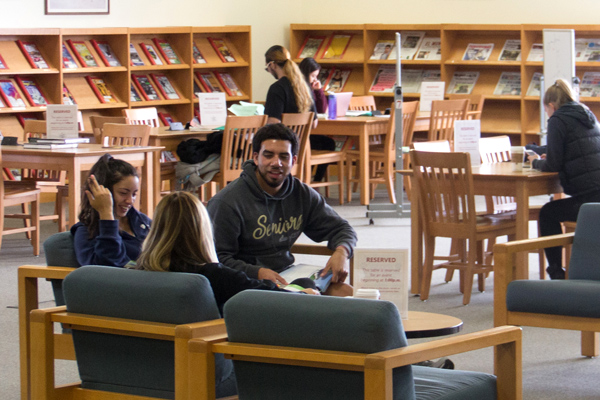
Information literacy is the ability to recognize when information is needed and to locate, evaluate, and use that information effectively. It encompasses a range of skills, including:
- Identifying Information Needs: Understanding what information is required for a specific purpose or task.
- Finding Information: Utilizing various sources, including libraries, databases, and online platforms, to gather relevant data.
- Evaluating Sources: Assessing the credibility, relevance, and reliability of information sources.
- Using Information Ethically: Understanding how to use information responsibly and avoid plagiarism.
2. The Importance of Information Literacy
Information literacy is crucial for several reasons:
- Critical Thinking: It fosters critical thinking skills, allowing individuals to analyze and synthesize information rather than passively accepting it.
- Informed Decision-Making: With strong information literacy skills, individuals can make informed decisions based on accurate and relevant data.
- Academic Success: Information literacy is essential for academic achievement. Students who can effectively locate and evaluate sources are better equipped to succeed in their studies.
- Lifelong Learning: In a rapidly changing world, the ability to learn and adapt is vital. Information literacy promotes lifelong learning by encouraging individuals to seek out new knowledge and skills throughout their lives.
3. Developing Information Literacy Skills
Here are practical strategies to enhance your information literacy skills and learn smart:
– Define Your Information Needs
Start by clearly defining what information you need. Ask yourself specific questions about your topic or project to narrow your focus.
Example: If you’re researching climate change, consider what aspect you want to explore—causes, effects, or solutions? This clarity will guide your search for relevant information.
– Use Reliable Sources
Familiarize yourself with reputable sources of information. Academic journals, government websites, and established news organizations are often more reliable than unverified online content.
Tip: When using online sources, check the domain (.edu, .gov, .org) and look for authorship and citations to ensure credibility.
– Evaluate Information Critically
Develop a set of criteria to evaluate the quality of the information you find. Consider factors such as:
- Authority: Who is the author or organization? What are their credentials?
- Accuracy: Is the information supported by evidence? Are there citations or references?
- Bias: Is the information presented objectively, or does it have a particular agenda?
- Relevance: Does the information address your specific needs or questions?
My Experience: I once encountered a well-written article on a health topic that lacked credible sources. By applying critical evaluation, I chose to rely on peer-reviewed journals instead, which significantly improved the quality of my work.
– Utilize Library Resources
Take advantage of your institution’s library resources, including databases, research guides, and librarian expertise. Librarians can provide valuable assistance in locating and evaluating sources.
Tip: Attend library workshops or orientation sessions to learn about the tools and resources available for research.
4. Practical Applications of Information Literacy
Information literacy is not just about academic research; it has practical applications in everyday life:
– Making Informed Decisions
Whether you’re considering a purchase, evaluating a news story, or researching a health issue, information literacy helps you gather relevant data and make informed choices.
Example: When buying a new laptop, using information literacy skills allows you to compare specifications, read reviews, and assess the credibility of different sources before making a decision.
– Engaging in Civic Life
Information literacy is essential for active citizenship. It enables individuals to critically evaluate political information, understand public policies, and participate in community discussions.
Real Story: During an election cycle, I used my information literacy skills to research candidates’ platforms, fact-check their statements, and engage in informed discussions with peers, which enriched my understanding of the political landscape.
5. Leveraging Technology for Information Literacy
Technology can enhance your information literacy skills in several ways:
– Online Courses and Tutorials
Many platforms offer free or low-cost courses on information literacy and research skills. Websites like Coursera, edX, and Khan Academy provide valuable resources to help you develop these skills.
– Digital Tools for Research
Utilize digital tools and apps that facilitate research and organization. Tools like Zotero, Mendeley, and Evernote can help you manage citations, take notes, and organize your findings efficiently.
Tip: Experiment with different tools to find what works best for your workflow. A well-organized research process can save you time and enhance your learning experience.
6. Conclusion
Information literacy is an essential skill that empowers individuals to learn smart and navigate the complexities of the information age. By developing your ability to identify, evaluate, and use information effectively, you can enhance your academic success, make informed decisions, and engage meaningfully with the world around you.
Through my experiences, I’ve learned that honing information literacy skills not only enriches my learning but also fosters critical thinking and informed engagement in various aspects of life. As you embark on your journey to improve your information literacy, embrace the strategies outlined in this guide, and you’ll find yourself better equipped to tackle challenges and seize opportunities.
By prioritizing information literacy, you can level up fast in your academic and professional pursuits, ensuring you remain adaptable and informed in an ever-changing world.
Improve Your Abilities: Explore Our content on Knowledge
Take a Look at Our Latest Article on Campus Development: Planning for the Future!
Penulis

#Academic Success #critical thinking #Digital Literacy #Educational Resources #Information Evaluation #Information Literacy #Learning Strategies #lifelong learning #research skills #Smart Learning
Related Posts
 Kuliah Perdana Menjadi Langkah Awal Mahasiswa Mengenal Sistem Belajar dan Kehidupan Kampus
 Ilmu Kesehatan Anak Membantu Mahasiswa Memahami Kesehatan dan Perawatan Anak Sejak Dini
 Sosial Ekonomi Perikanan Membantu Mahasiswa Memahami Usaha, Masyarakat, dan Kehidupan di Sektor Perikanan
 Manajemen Pariwisata Membantu Mahasiswa Memahami Cara Mengelola Usaha dan Layanan Wisata