
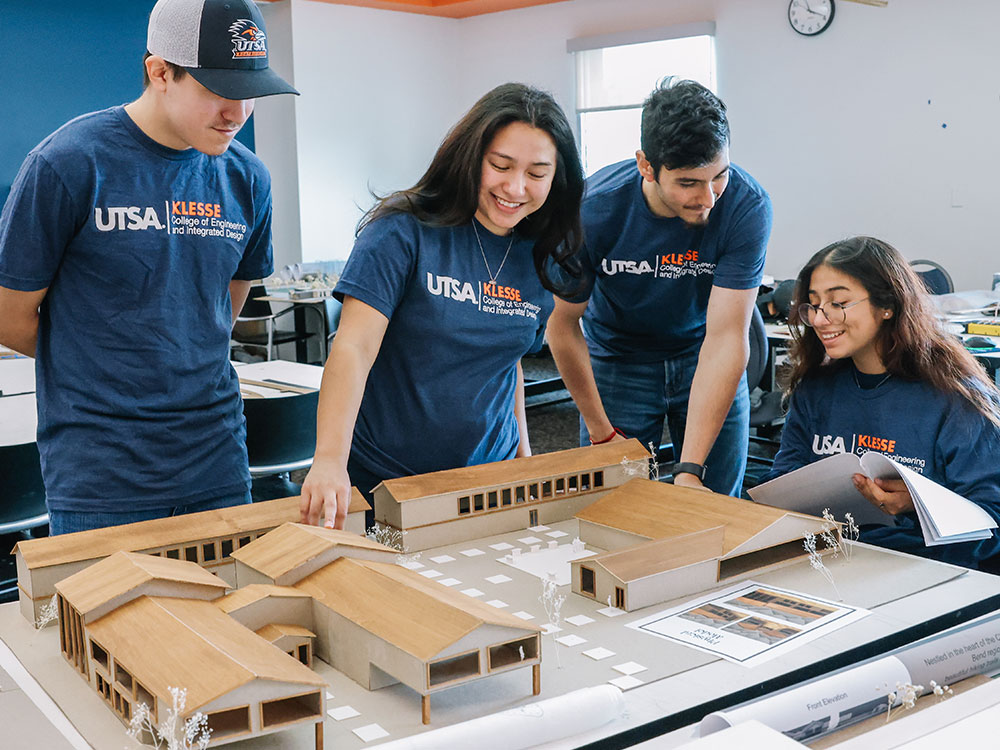
JAKARTA, inca.ac.id – Architecture: Learning Designing Spaces and Structures in College isn’t just about sketching cool buildings—it’s a mix of late-night projects, never-ending critiques, and awesome ‘eureka’ moments.
Studying architecture is a transformative journey that combines creativity, technical skills, and a deep understanding of the built environment. As an architecture student, I navigated the challenges and rewards of learning to design spaces and structures that not only serve functional purposes but also enhance the human experience. In this guide, I’ll share my honest journey through architecture school, the lessons I learned along the way, and practical tips for aspiring architects.
1. The Importance of Architecture Education
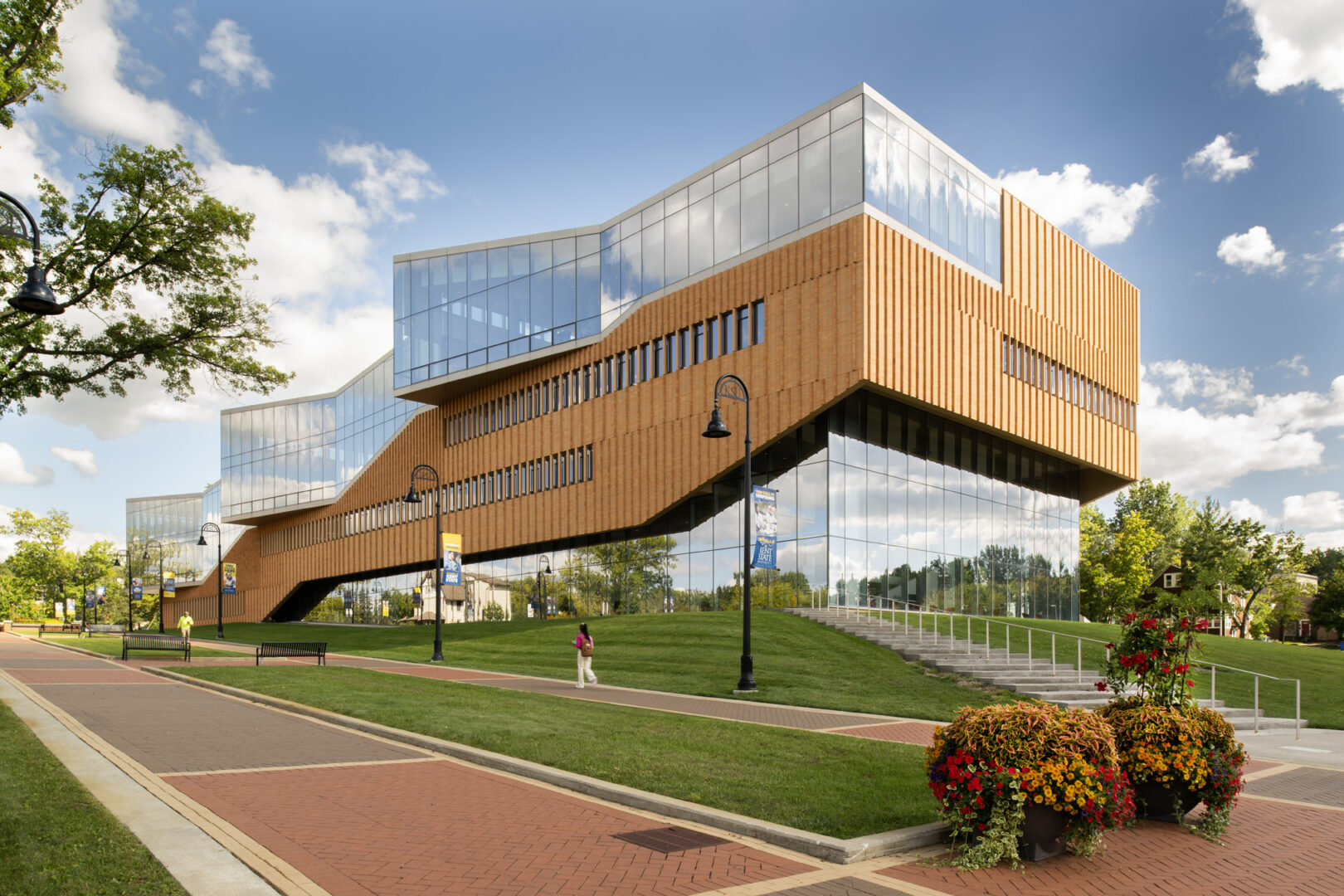
Architecture education goes beyond mere design; it encompasses a holistic understanding of various elements that contribute to creating meaningful spaces. Key aspects of architecture education include:
- Creative Problem Solving: Architecture challenges students to think critically and creatively about how to solve complex design problems, considering aesthetics, functionality, and sustainability.
- Technical Proficiency: Students learn essential technical skills, including drafting, modeling, and using software like AutoCAD, Revit, and SketchUp, which are crucial for bringing designs to life.
- Cultural and Historical Awareness: A solid understanding of architectural history and theory helps students appreciate the context of their designs and the impact of architecture on society.
2. My Honest Journey in Architecture School
– The Initial Excitement
When I first entered architecture school, I was filled with enthusiasm and a desire to create. The prospect of designing buildings and spaces that could impact people’s lives was exhilarating. However, I quickly realized that the journey would be challenging and demanding.
Real Talk: The first year was intense, filled with long hours of studio work, critiques, and learning new software. I often felt overwhelmed, but the excitement of seeing my ideas take shape kept me motivated.
– Embracing Critiques
One of the most valuable lessons I learned in architecture school was the importance of feedback. Regular critiques from professors and peers are a fundamental part of the learning process.
Example: Initially, I found critiques intimidating, but I soon realized that they were opportunities for growth. Embracing constructive criticism helped me refine my designs and develop a thicker skin, which is essential in the field of architecture.
3. Key Lessons Learned
Throughout my journey, I learned several key lessons that shaped my approach to architecture:
– Balance Creativity with Practicality
While creativity is vital in architecture, it must be balanced with practicality. Designs need to be functional, sustainable, and feasible within budget and regulatory constraints.
Tip: Always consider the end-user experience and the practical implications of your design choices. Engage with real-world constraints to ground your creative ideas.
– Collaborate with Others
Architecture is inherently collaborative. Working with fellow students, engineers, and other professionals is essential for successful project outcomes.
Example: Group projects taught me the value of diverse perspectives. Collaborating with peers from different backgrounds enriched my designs and broadened my understanding of various approaches.
4. Practical Tips for Architecture Students
Here are some practical tips that can help aspiring architects succeed in their studies:
– Develop Strong Drawing Skills
Drawing is a fundamental skill in architecture. Practice sketching regularly to improve your ability to communicate ideas visually.
Tip: Keep a sketchbook handy and draw inspiration from your surroundings. This practice will enhance your observational skills and creativity.
– Master Design Software
Familiarize yourself with essential design software early on. Proficiency in tools like AutoCAD, Revit, and Adobe Creative Suite will streamline your workflow and improve your presentations.
– Stay Organized
Architecture projects can be complex, involving multiple components and deadlines. Develop a system for organizing your work, including sketches, models, and research materials.
Example: I used digital tools like Trello and Google Drive to keep track of tasks and store project files, which helped me stay organized and reduce stress.
– Seek Internships and Real-World Experience
Gaining practical experience through internships is invaluable. Seek opportunities to work in architectural firms or related fields to apply your knowledge and gain insights into the industry.
Real Talk: My internship experience provided me with hands-on exposure to real projects, client interactions, and the day-to-day workings of an architectural firm. This experience was instrumental in shaping my career aspirations.
5. Conclusion
Studying architecture is a challenging yet rewarding journey that equips students with the skills to design impactful spaces and structures. Through my experiences, I’ve learned that balancing creativity with practicality, embracing feedback, and collaborating with others are essential for success in this field.
As you embark on your own architectural journey, remember to stay curious, open-minded, and resilient. Embrace the challenges, seek out opportunities for growth, and never underestimate the power of good design to transform lives.
By applying these lessons and tips, you can navigate the complexities of architecture school with confidence, preparing yourself for a fulfilling career in this dynamic and impactful field.
Improve Your Abilities: Explore Our content on Knowledge
Take a Look at Our Latest Article on College Culture: Fostering a Positive Educational Atmosphere
Penulis

#architecture #college #design #experience #learning #spaces #structures #student life #tips
Related Posts
 Kuliah Perdana Menjadi Langkah Awal Mahasiswa Mengenal Sistem Belajar dan Kehidupan Kampus
 Ilmu Kesehatan Anak Membantu Mahasiswa Memahami Kesehatan dan Perawatan Anak Sejak Dini
 Sosial Ekonomi Perikanan Membantu Mahasiswa Memahami Usaha, Masyarakat, dan Kehidupan di Sektor Perikanan
 Manajemen Pariwisata Membantu Mahasiswa Memahami Cara Mengelola Usaha dan Layanan Wisata