
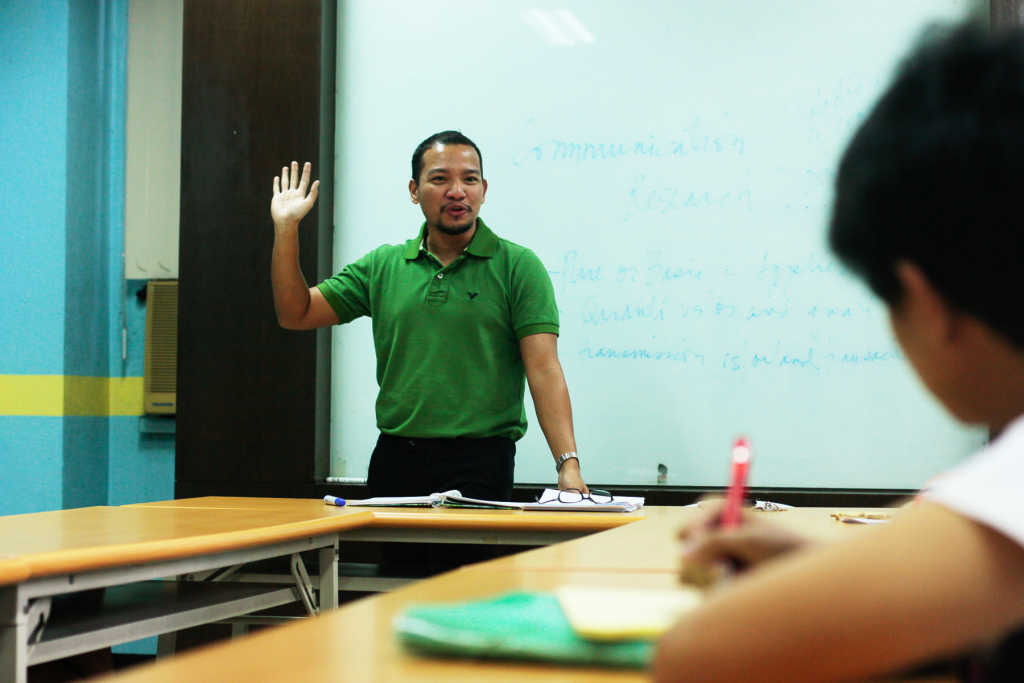
JAKARTA, inca.ac.id – Teacher Evaluation: Assessing Educator Effectiveness in University is a topic that’s super close to my heart. As someone who basically lived in the campus library (yep, guilty), I’ve seen firsthand how teacher evaluation can make or break the whole learning vibe. So, lemme share my journey, lessons, and a few surprises to help you really get what works—and what doesn’t.
Teacher evaluation is a critical component of maintaining educational quality and ensuring that students receive the best possible instruction at the university level. Evaluating educators effectively not only supports professional development but also enhances student learning outcomes. Drawing from my experiences and observations, this guide explores the complexities of teacher evaluation, the challenges faced, and my candid reflections on how to improve the process.
1. Understanding Teacher Evaluation

Teacher evaluation refers to the systematic assessment of an educator’s performance and effectiveness in the classroom. The primary goals of teacher evaluation include:
- Improving Teaching Quality: Identifying strengths and areas for improvement to enhance instructional practices.
- Supporting Professional Development: Providing constructive feedback that guides educators in their professional growth.
- Ensuring Accountability: Holding educators accountable for their teaching effectiveness and student outcomes.
2. Components of Effective Teacher Evaluation
– Classroom Observations
One of the most common methods of teacher evaluation is through classroom observations. Evaluators typically assess various aspects of teaching, including:
- Instructional Techniques: The methods used to engage students and facilitate learning.
- Classroom Management: The ability to maintain a productive learning environment.
- Student Engagement: The extent to which students are actively participating in the learning process.
Real Insight: While observations provide valuable insights, they often capture only a snapshot of teaching effectiveness. Evaluators must consider the context and dynamics of the classroom to provide meaningful feedback.
– Student Feedback
Collecting feedback from students is another essential component of teacher evaluation. Student evaluations can offer perspectives on an educator’s effectiveness in areas such as:
- Clarity of Instruction: How well the educator explains concepts and materials.
- Approachability: The educator’s willingness to engage with students and provide support.
- Overall Satisfaction: Students’ perceptions of their learning experience.
Real Insight: While student feedback is valuable, it can be influenced by various factors, including course difficulty and grading practices. Therefore, it should be considered alongside other evaluation methods.
– Self-Assessment
Encouraging educators to engage in self-assessment allows them to reflect on their teaching practices and identify areas for growth. Self-assessment can include:
- Teaching Portfolios: Documenting teaching philosophies, lesson plans, and reflections on instructional practices.
- Goal Setting: Establishing professional development goals based on self-reflection.
Real Insight: Self-assessment fosters a culture of continuous improvement and empowers educators to take ownership of their professional development.
3. Challenges in Teacher Evaluation
– Subjectivity and Bias
One of the most significant challenges in teacher evaluation is the potential for subjectivity and bias. Evaluators may have preconceived notions about an educator’s effectiveness, which can influence their assessments.
Real Insight: To mitigate bias, institutions should implement standardized evaluation criteria and involve multiple evaluators in the process. This approach can provide a more balanced and fair assessment.
– Resistance to Evaluation
Some educators may resist the evaluation process, viewing it as punitive rather than supportive. This resistance can stem from fear of negative consequences or a lack of trust in the evaluation system.
Real Insight: Building a culture of trust and transparency is essential. Educators should understand that evaluations are intended to support their growth and improve student outcomes, not merely to assign grades.
– Limited Resources for Professional Development
Even when evaluations identify areas for improvement, institutions may lack the resources to provide adequate professional development opportunities. This limitation can hinder educators’ ability to grow and improve their practices.
Real Insight: Institutions must prioritize investing in professional development programs that align with the needs identified through evaluations. This investment demonstrates a commitment to supporting educators in their growth.
4. My Unfiltered Take on Improving Teacher Evaluation
– Emphasize Continuous Feedback
Instead of relying solely on end-of-semester evaluations, institutions should promote continuous feedback throughout the academic year. Regular check-ins and informal observations can provide timely insights that educators can act upon.
– Incorporate Peer Evaluations
Peer evaluations can offer valuable perspectives and foster collaboration among educators. Creating a system where educators observe and provide feedback to one another can promote a culture of shared learning and improvement.
– Utilize Technology
Leveraging technology can streamline the evaluation process. Online platforms can facilitate student feedback collection, allow for video recordings of classroom sessions, and provide tools for self-assessment. These technologies can enhance the overall evaluation experience.
– Foster a Growth Mindset
Encouraging a growth mindset among educators is crucial for effective evaluation. Institutions should frame evaluations as opportunities for growth rather than as punitive measures. Celebrating successes and recognizing progress can motivate educators to engage with the evaluation process positively.
5. Conclusion
Teacher evaluation is a complex but essential aspect of maintaining high educational standards in universities. By assessing educator effectiveness through various methods, including classroom observations, student feedback, and self-assessment, institutions can support professional development and enhance student learning outcomes.
However, challenges such as subjectivity, resistance, and limited resources must be addressed to create a fair and effective evaluation system. My unfiltered take emphasizes the importance of continuous feedback, peer evaluations, technology integration, and fostering a growth mindset as key strategies for improving teacher evaluation.
Ultimately, a well-implemented teacher evaluation process can empower educators, promote continuous improvement, and lead to a more enriching learning experience for students. By prioritizing these principles, institutions can create a culture of excellence in teaching and learning that benefits everyone involved.
Improve Your Abilities: Explore Our content on Knowledge
Take a Look at Our Latest Article on Effective Study Habits: Mastering Your Learning Process!
Penulis

#academic experience #educator effectiveness #student tips #teacher evaluation #university
Related Posts
 Kuliah Perdana Menjadi Langkah Awal Mahasiswa Mengenal Sistem Belajar dan Kehidupan Kampus
 Ilmu Kesehatan Anak Membantu Mahasiswa Memahami Kesehatan dan Perawatan Anak Sejak Dini
 Sosial Ekonomi Perikanan Membantu Mahasiswa Memahami Usaha, Masyarakat, dan Kehidupan di Sektor Perikanan
 Manajemen Pariwisata Membantu Mahasiswa Memahami Cara Mengelola Usaha dan Layanan Wisata