

Jakarta, inca.ac.id – Leadership Opportunities in university play a major role in helping students develop the confidence, responsibility, and practical skills needed to become effective future leaders. Higher education is not only a place for academic study. It is also an environment where students learn how to make decisions, work with others, solve problems, and contribute to a wider community. Leadership opportunities allow students to practice these abilities in real situations rather than only learning about them in theory.
For many students, leadership does not begin with a formal title. It often starts with small responsibilities, active participation, and a willingness to contribute. Over time, those experiences can shape stronger communication, greater initiative, and a clearer sense of purpose. Universities that create meaningful leadership opportunities help students prepare not just for careers, but for broader roles in society.
Why leadership opportunities matter
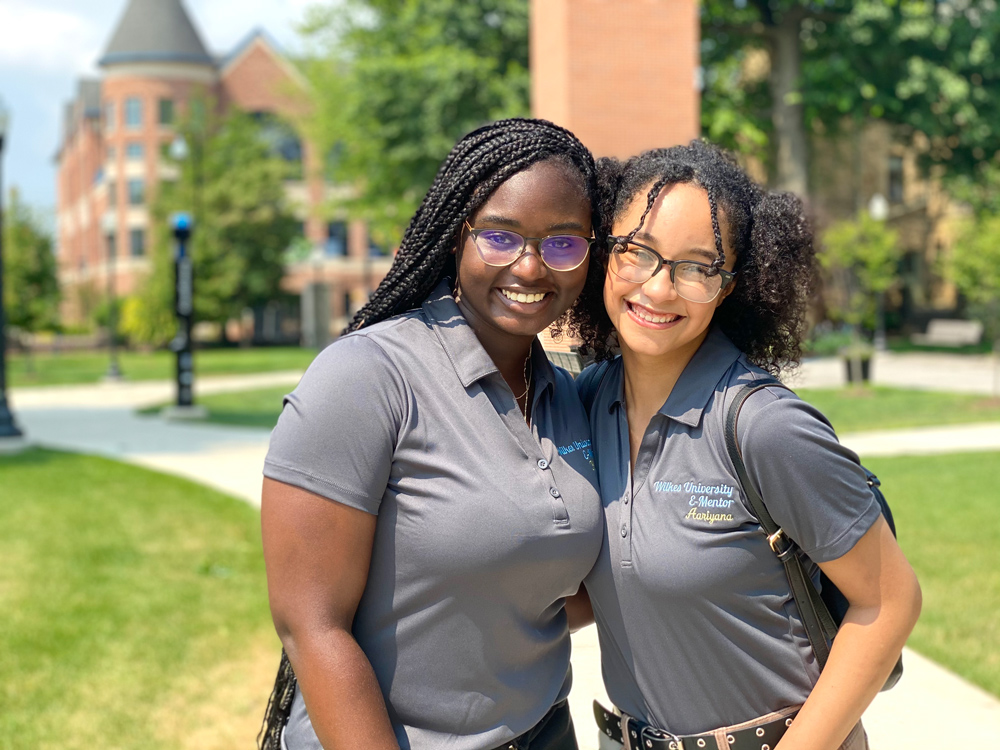
Leadership Opportunities matter because they help students grow beyond academic knowledge and build the personal and interpersonal skills that many future roles require. Leadership experiences teach students how to take initiative, guide projects, and work responsibly with different people.
They can also strengthen:
- Confidence in decision-making
- Communication and teamwork
- Accountability
- Problem-solving ability
- Commitment to community
These are valuable qualities in both professional and social settings.
Where students find leadership opportunities
Universities often offer many forms of Leadership Opportunities, some formal and some informal. Students can develop leadership through campus organizations, academic projects, volunteer work, mentoring programs, and event coordination.
Common spaces for leadership include:
- Student government
- Clubs and societies
- Peer mentoring programs
- Campus event committees
- Academic group projects
- Volunteer and service activities
This variety allows students with different interests and personalities to find meaningful ways to lead.
Skills students develop through leadership
One of the strongest benefits of Leadership Opportunities is that they help students build practical skills through experience. Leadership requires more than giving instructions. It involves listening, planning, motivating others, and responding thoughtfully to challenges.
Students often develop:
- Public speaking
- Conflict management
- Time management
- Strategic thinking
- Collaboration
- Adaptability
These abilities grow more naturally when students practice them in real campus situations.
Leadership and personal growth
Leadership Opportunities also contribute to personal development by helping students understand their strengths, values, and areas for improvement. Through responsibility and experience, students often become more self-aware and more capable of managing pressure.
Personal growth may include:
- Greater confidence
- Better judgment
- Improved resilience
- Stronger sense of purpose
- Increased empathy toward others
Leadership has a useful way of revealing both what students can do well and what still needs work. That honesty is part of the education.
Creating a stronger university community
When universities provide strong Leadership Opportunities, they also strengthen campus life as a whole. Student leaders often help organize activities, support peers, and create a more engaged academic community.
This can lead to:
- More active student participation
- Better peer support
- Stronger campus culture
- More student-driven initiatives
- Greater sense of belonging
Leadership development benefits the individual student, but it also improves the shared environment around them.
Final thoughts
Leadership Opportunities help cultivate tomorrow’s leaders in university by giving students real chances to practice responsibility, communication, and initiative. Through campus roles, service, and active participation, students can develop the skills and confidence needed to lead effectively in the future.
Leadership is rarely built in a single big moment. More often, it grows through repeated chances to contribute, learn, and carry responsibility well.
Explore our “”Knowledge“” category for more insightful content!
Don't forget to check out our previous article: Campus Recreation: Active and Social Experiences for University Students Beyond Class
Penulis

#Campus Involvement #future leaders #higher education #Leadership Opportunities #leadership skills #Student Development #student leadership #university students
Related Posts
 Kuliah Perdana Menjadi Langkah Awal Mahasiswa Mengenal Sistem Belajar dan Kehidupan Kampus
 Ilmu Kesehatan Anak Membantu Mahasiswa Memahami Kesehatan dan Perawatan Anak Sejak Dini
 Sosial Ekonomi Perikanan Membantu Mahasiswa Memahami Usaha, Masyarakat, dan Kehidupan di Sektor Perikanan
 Manajemen Pariwisata Membantu Mahasiswa Memahami Cara Mengelola Usaha dan Layanan Wisata