
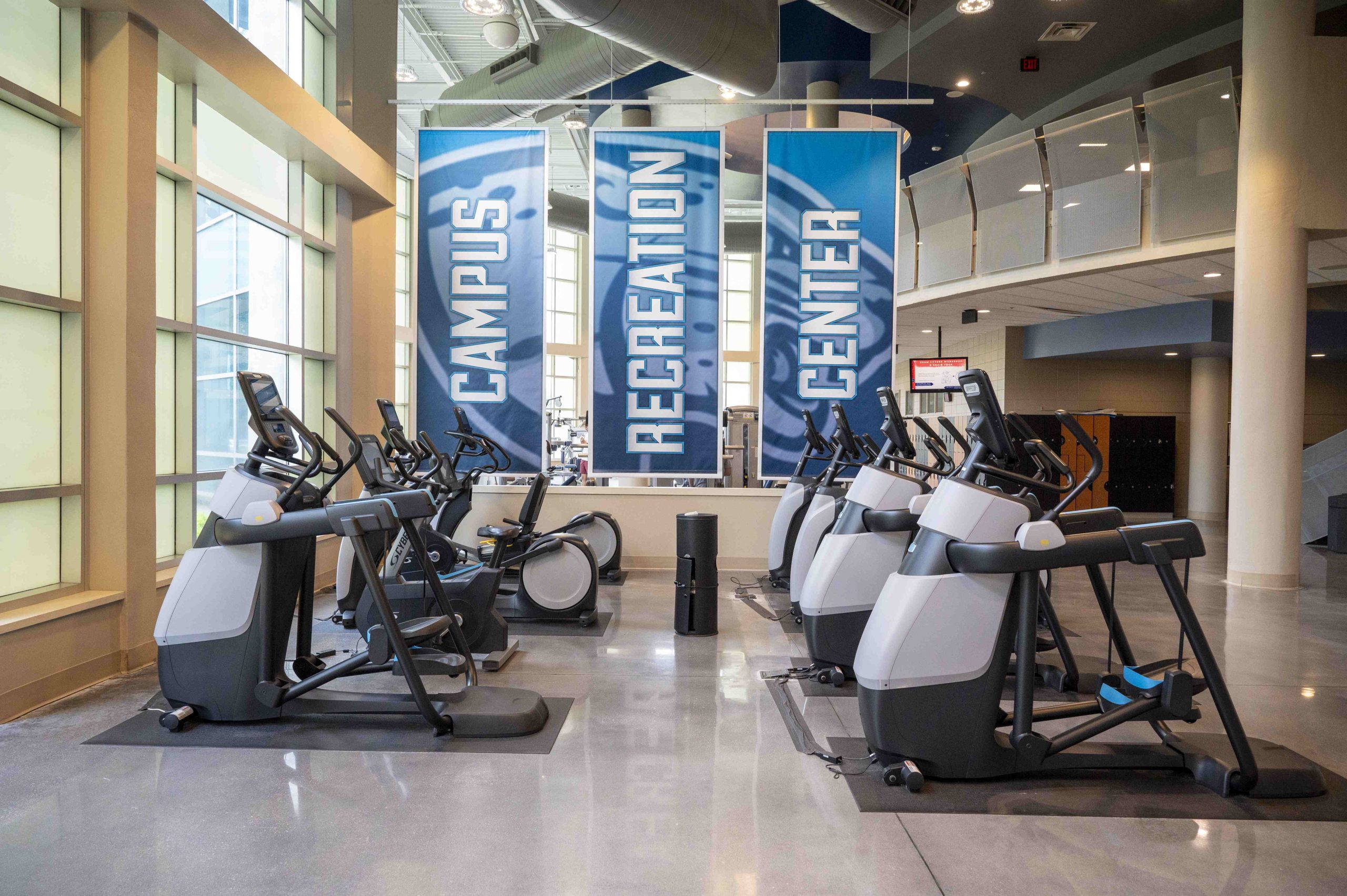
Jakarta, inca.ac.id – Campus Recreation gives university students valuable opportunities to stay active, reduce stress, and build social connections beyond academic life. While classes, assignments, and deadlines shape much of the university experience, students also need spaces where they can move, relax, and engage with others in a healthier and more enjoyable way. Recreation programs on campus help provide that balance by supporting both physical well-being and community involvement.
For many students, recreation is more than exercise. It can be a way to meet new people, recover from academic pressure, explore interests, and feel more connected to campus. Whether through sports, fitness classes, outdoor activities, or informal recreation spaces, these experiences contribute to a fuller and more sustainable student life.
Why campus recreation matters
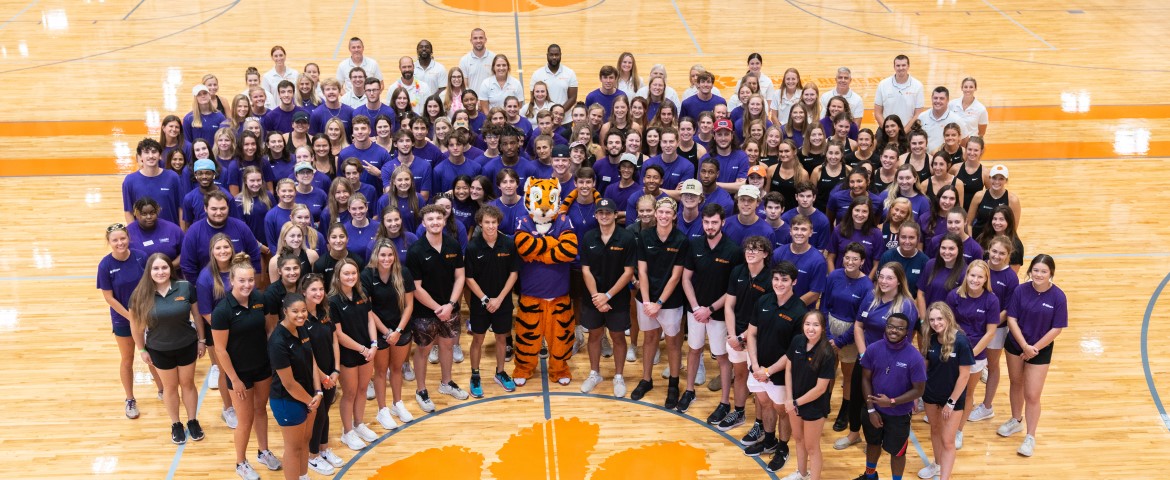
Campus Recreation matters because university students often face long hours of study, screen time, and academic stress. Recreation creates a needed break from those demands and supports healthier routines.
It can help students:
- Stay physically active
- Reduce stress and burnout
- Improve mood and energy
- Build friendships
- Feel more involved in campus life
This makes recreation an important part of overall student well-being, not simply an extra activity.
Types of recreation students can enjoy
A strong Campus Recreation environment usually offers a range of activities so students with different interests and fitness levels can participate comfortably.
Common options may include:
- Fitness centers and gym access
- Group exercise classes
- Recreational sports
- Outdoor activities
- Swimming or court sports
- Wellness programs
- Informal social games
This variety helps students choose activities that feel enjoyable rather than intimidating.
Social benefits beyond exercise
One valuable aspect of Campus Recreation is its social dimension. Shared activities often make it easier for students to meet peers naturally, especially in a university environment where not every friendship begins in a lecture hall.
Social benefits may include:
- Meeting students with similar interests
- Building confidence in group settings
- Strengthening a sense of belonging
- Creating regular social interaction outside class
- Encouraging teamwork and communication
Sometimes the path to campus connection begins with a basketball game, a fitness class, or a failed attempt at yoga balance that everyone politely pretends not to notice.
Supporting student wellness
A good Campus Recreation program also supports student wellness more broadly. Physical activity is closely connected to mental focus, emotional health, and daily energy, all of which affect academic life.
Recreation can support wellness by:
- Improving sleep quality
- Reducing tension and anxiety
- Encouraging better time balance
- Promoting healthy routines
- Helping students reset after intense study periods
This makes recreation a practical support for academic success as well as personal well-being.
Encouraging consistent participation
Students benefit most from Campus Recreation when participation becomes part of a regular routine rather than something done only when stress has already reached dramatic levels.
Helpful ways to stay involved include:
- Choosing enjoyable activities
- Starting with realistic goals
- Joining friends or groups
- Using campus facilities regularly
- Trying different options before deciding what fits
Consistency matters more than intensity. A regular habit is often more valuable than one very ambitious week followed by athletic disappearance.
Final thoughts
Campus Recreation offers university students active and social experiences that support health, connection, and balance beyond the classroom. Through fitness, recreation, and shared participation, students can strengthen both well-being and their sense of belonging on campus.
A healthy university life needs more than study alone. Recreation helps make student life more human, more sustainable, and a good deal more enjoyable.
Explore our “”Knowledge“” category for more insightful content!
Don't forget to check out our previous article: University Events: Bringing University Students Together Through Learning and Community
Penulis

#campus life #Campus Recreation #fitness activities #higher education #recreational sports #student engagement #Student Wellness #university students
Related Posts
 Kuliah Perdana Menjadi Langkah Awal Mahasiswa Mengenal Sistem Belajar dan Kehidupan Kampus
 Ilmu Kesehatan Anak Membantu Mahasiswa Memahami Kesehatan dan Perawatan Anak Sejak Dini
 Sosial Ekonomi Perikanan Membantu Mahasiswa Memahami Usaha, Masyarakat, dan Kehidupan di Sektor Perikanan
 Manajemen Pariwisata Membantu Mahasiswa Memahami Cara Mengelola Usaha dan Layanan Wisata