
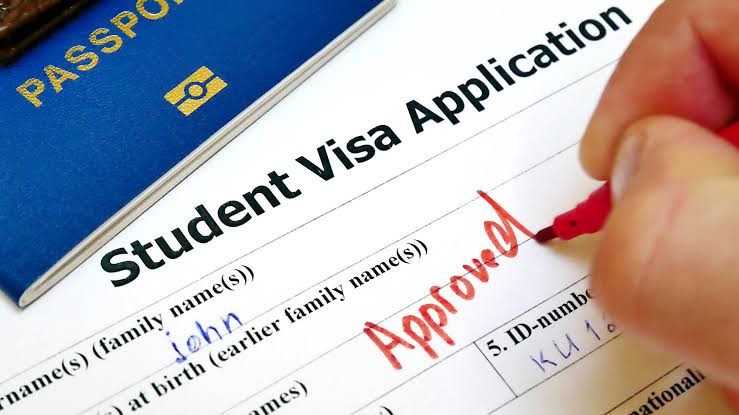
Jakarta, inca.ac.id – A Student Visa is one of the most important requirements for university students planning to study abroad. While academic acceptance is a major milestone, it does not automatically grant permission to live and study in another country. Students usually need to complete a separate visa process that confirms their eligibility, financial readiness, and compliance with the destination country’s immigration rules. Without the right visa, even a fully confirmed admission offer cannot move forward into actual international study.
Because visa requirements vary between countries, students need to prepare carefully and start early. The process often involves official documents, financial evidence, identity verification, and timelines that leave very little room for last-minute optimism. A clear understanding of the requirements helps students avoid delays and approach international study with better confidence.
Why a student visa matters

A Student Visa matters because it provides the legal permission needed to enter and remain in a country for educational purposes. It confirms that the student has been accepted by an approved institution and meets the conditions set by immigration authorities.
The visa process also helps governments verify:
- The purpose of travel
- The student’s financial support
- Compliance with educational regulations
- Identity and documentation accuracy
- Intent to follow visa conditions
This makes the visa an essential bridge between university admission and actual enrollment abroad.
Common student visa requirements
Although rules differ by destination, most Student Visa applications require several core documents and forms of evidence.
Common requirements include:
- Valid passport
- University admission or offer letter
- Completed visa application form
- Proof of financial support
- Passport-sized photographs
- Tuition payment evidence where required
- Health insurance or medical examination documents
- Proof of accommodation in some cases
- Visa application fee payment
Students should always check the official embassy or immigration website for the specific country involved.
Financial and academic proof
A major part of a Student Visa application is showing that the student is academically accepted and financially able to support study and living expenses. Immigration authorities often want evidence that the student can pay tuition and manage daily costs without violating visa conditions.
This may include:
- Admission confirmation from the university
- Bank statements
- Sponsorship letters
- Scholarship documentation
- Financial guarantee forms where applicable
These documents help prove that the student’s plan is genuine and sustainable.
Timing and application preparation
Applying for a Student Visa requires careful timing. Processing can take weeks or even longer depending on the country, season, and application volume. Starting late can create unnecessary stress and may affect travel or enrollment plans.
Helpful preparation steps include:
- Check official visa requirements early
- Gather documents well in advance
- Ensure names and details are consistent across documents
- Prepare for possible interviews if required
- Track processing timelines and appointment availability
Starting early gives students more room to solve problems if anything unexpected appears.
Following visa rules after approval
Receiving a Student Visa is not the final step. Students also need to understand and follow the conditions attached to that visa while studying abroad. These conditions may affect work limits, course load, travel, reporting obligations, or renewal procedures.
Students should be aware of:
- Visa validity dates
- Enrollment requirements
- Rules about part-time work
- Attendance or academic progress expectations
- Procedures for extension or renewal
Ignoring these rules can create serious problems later, which is a very expensive way to discover the importance of reading official instructions.
Final thoughts
A Student Visa is an essential requirement for university students planning international study, and the process demands careful preparation, accurate documents, and timely action. By understanding the main requirements early and following official guidance closely, students can reduce delays and move toward overseas study with greater confidence.
Studying abroad begins long before the first class. In many cases, it begins with paperwork, planning, and patience, which may not sound glamorous but are absolutely part of the journey.
Explore our “”Knowledge“” category for more insightful content!
Don't forget to check out our previous article: Campus Time Management: Smart Planning Tips for University Students Balancing Campus Life
Penulis

#higher education #international study #overseas education #student travel #Student Visa #study abroad #university students #visa requirements
Related Posts
 Kuliah Perdana Menjadi Langkah Awal Mahasiswa Mengenal Sistem Belajar dan Kehidupan Kampus
 Ilmu Kesehatan Anak Membantu Mahasiswa Memahami Kesehatan dan Perawatan Anak Sejak Dini
 Sosial Ekonomi Perikanan Membantu Mahasiswa Memahami Usaha, Masyarakat, dan Kehidupan di Sektor Perikanan
 Manajemen Pariwisata Membantu Mahasiswa Memahami Cara Mengelola Usaha dan Layanan Wisata