
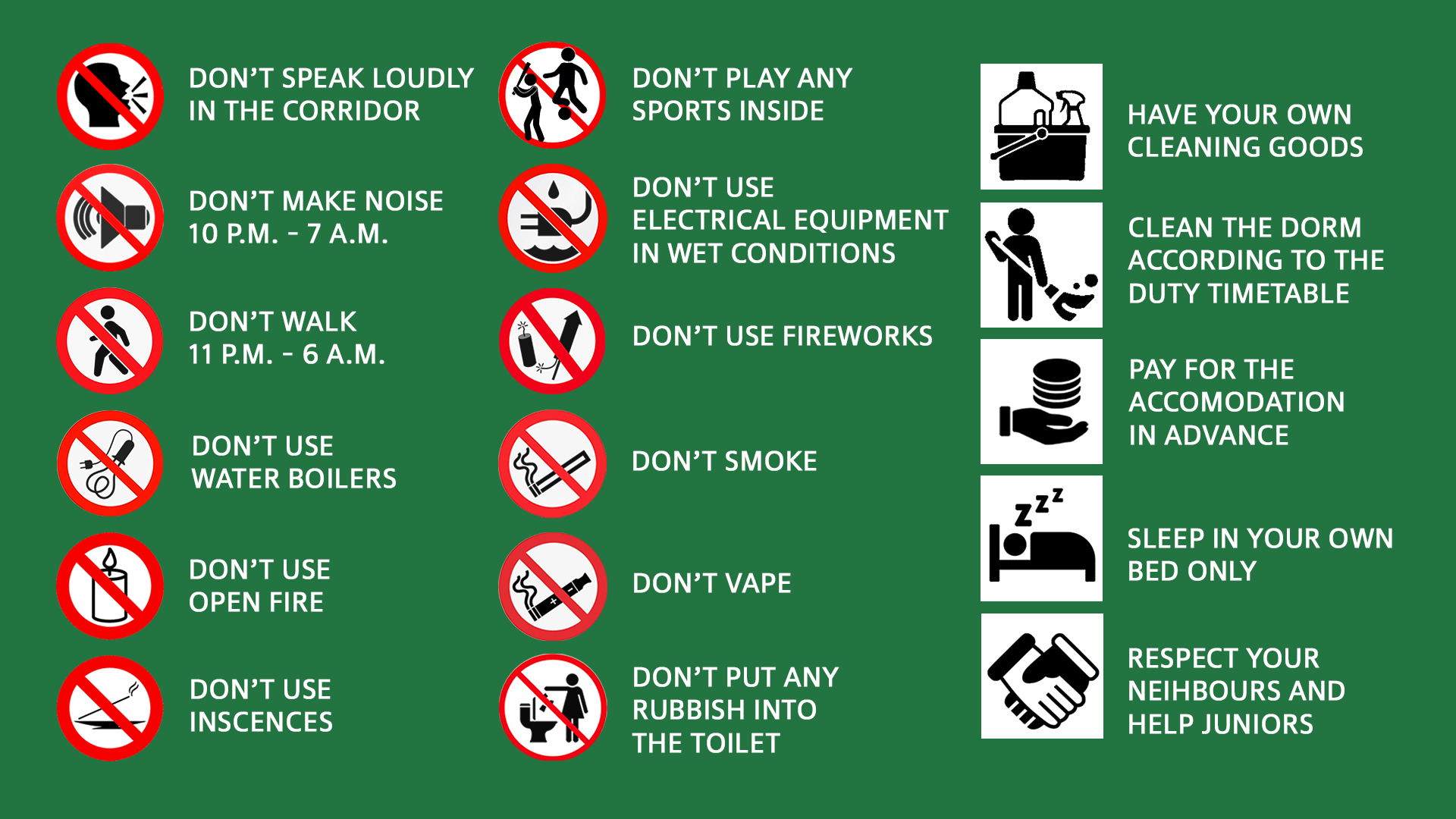
Jakarta, inca.ac.id – Living in shared campus housing introduces students to a new kind of independence, and understanding Dormitory Rules is an important part of making that experience successful. Dormitories are not only places to sleep. They are shared living environments where comfort, safety, and respect depend on how well students follow common expectations. Clear rules help reduce conflict, protect property, and create a more manageable daily routine for everyone living in the space.
For many university students, dorm life is the first time they have lived away from home or shared a room with someone outside the family. That adjustment can be exciting, but also challenging. Rules around noise, guests, cleanliness, security, and shared facilities are therefore not random restrictions. They are practical guidelines designed to support a healthy and cooperative living environment.
Why dormitory rules matter
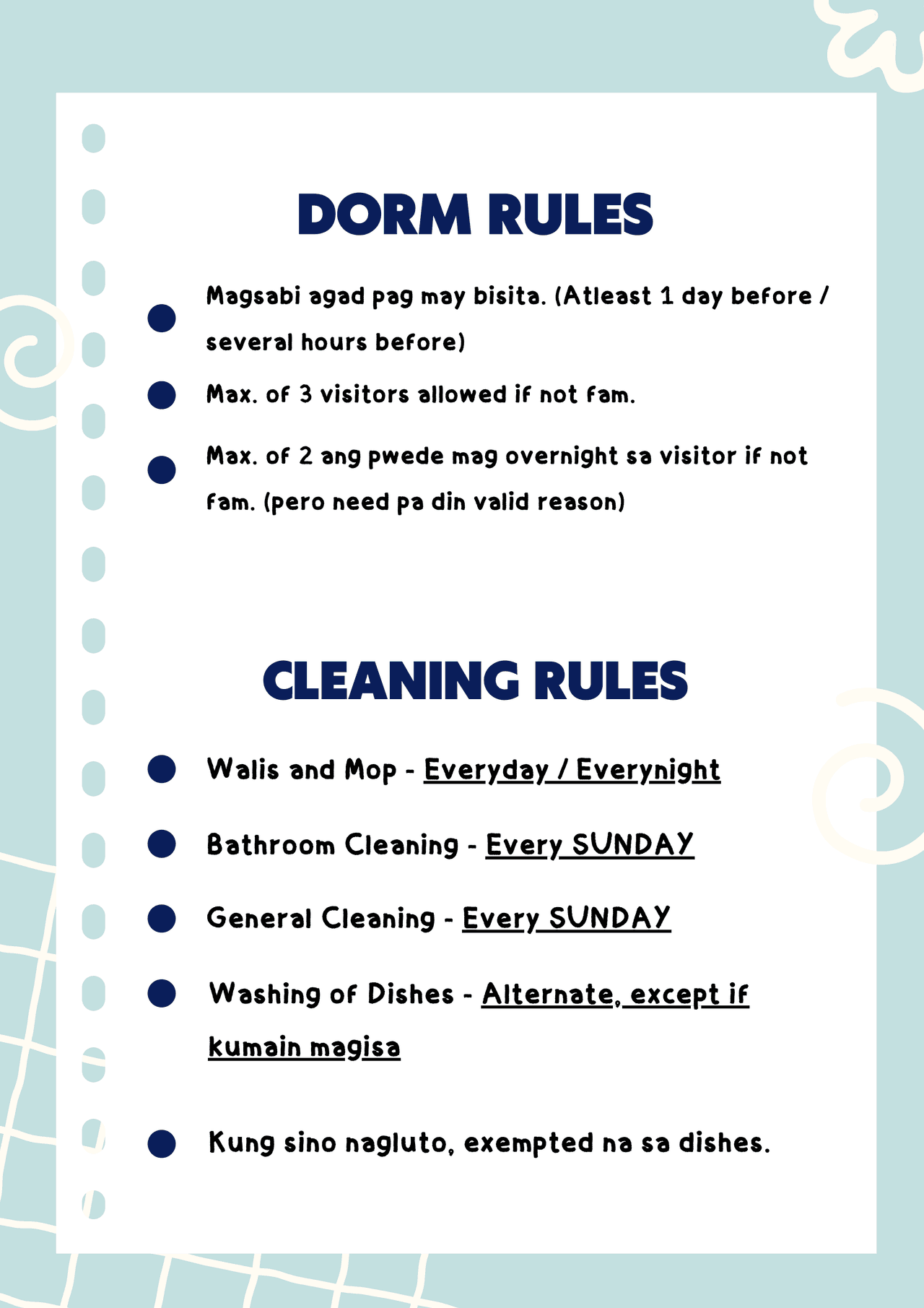
Dormitory Rules matter because campus housing brings many students into close daily contact. Without clear expectations, small issues can quickly become larger problems. Noise late at night, poor hygiene, unsecured belongings, and unapproved guests can all create stress and tension. Rules help set a common standard so that students understand what is expected and what behavior supports community living.
These rules also help protect safety. Universities often include policies related to building access, prohibited items, emergency procedures, and facility use. Following them helps reduce avoidable risks and keeps residence life more stable for everyone.
Common types of dormitory rules
Most Dormitory Rules cover practical areas that affect shared living directly. While details differ between campuses, common examples include:
- Quiet hours and noise limits
- Visitor or guest policies
- Room cleanliness expectations
- Use of shared kitchens or bathrooms
- Prohibited items such as certain appliances
- Security and access card procedures
- Curfews or check-in systems where applicable
- Rules for damage, maintenance, and reporting issues
Students should review these carefully at the start of residence life rather than discovering them later through awkward warnings and very official emails.
How rules support shared comfort
A strong set of Dormitory Rules helps students live together more comfortably by reducing uncertainty. When expectations are clear, students are more likely to respect common areas, manage behavior responsibly, and avoid actions that disturb others.
This shared comfort depends on habits such as:
- Keeping personal and shared spaces tidy
- Respecting sleep and study time
- Using facilities responsibly
- Communicating early about concerns
- Following building procedures consistently
These habits may seem simple, but they have a major effect on daily quality of life in shared housing.
Student responsibility in dorm life
Following Dormitory Rules is part of learning responsibility as a university student. Shared housing requires more than personal freedom. It also involves awareness of how individual choices affect others. Being responsible in a dormitory means understanding that living independently still includes accountability to a wider community.
Students can show responsibility by:
- Reading housing policies carefully
- Reporting maintenance or safety concerns promptly
- Respecting staff instructions
- Avoiding behavior that disrupts others
- Taking care of personal belongings and shared resources
This approach helps create a more respectful residence culture and reduces unnecessary conflict.
When communication matters more than assumptions
Even with clear Dormitory Rules, some housing issues still depend on communication. Students may need to discuss noise levels, shared responsibilities, schedules, or personal boundaries with others in the dorm. Rules provide the structure, but good communication helps daily life function more smoothly.
In practice, this means students should try to address small issues early and respectfully. Waiting too long can turn a minor habit into a major source of irritation, which is a classic feature of shared living everywhere.
Final thoughts
Dormitory Rules are practical guidelines that help university students live safely, respectfully, and comfortably in shared campus housing. They support order, reduce conflict, and create a better environment for study and daily life.
Dorm life works best when students understand that rules are not just restrictions. They are part of the system that helps many people share one space with fewer problems and a little more peace.
Explore our “”Knowledge“” category for more insightful content!
Don't forget to check out our previous article: Entrance Exam: Smart Preparation Tips for University Students to Improve Admission Chances
Penulis

#campus housing #dorm life #Dormitory Rules #housing guidelines #residence rules #shared living #student residence #university students
Related Posts
 Kuliah Perdana Menjadi Langkah Awal Mahasiswa Mengenal Sistem Belajar dan Kehidupan Kampus
 Ilmu Kesehatan Anak Membantu Mahasiswa Memahami Kesehatan dan Perawatan Anak Sejak Dini
 Sosial Ekonomi Perikanan Membantu Mahasiswa Memahami Usaha, Masyarakat, dan Kehidupan di Sektor Perikanan
 Manajemen Pariwisata Membantu Mahasiswa Memahami Cara Mengelola Usaha dan Layanan Wisata