

Jakarta, inca.ac.id – In today’s digital environment, organizations depend on more than hardware and software alone. They also rely on people, processes, data, and decision-making systems that help information move efficiently across the institution. That is why Information Systems is such an important field for university students. It helps learners understand how technology supports business operations, how data is used for analysis and planning, and how digital systems improve communication, efficiency, and strategic decisions. When studied effectively, information systems gives students a practical foundation for connecting technology, data, and business in meaningful ways.
Why Information Systems Matters
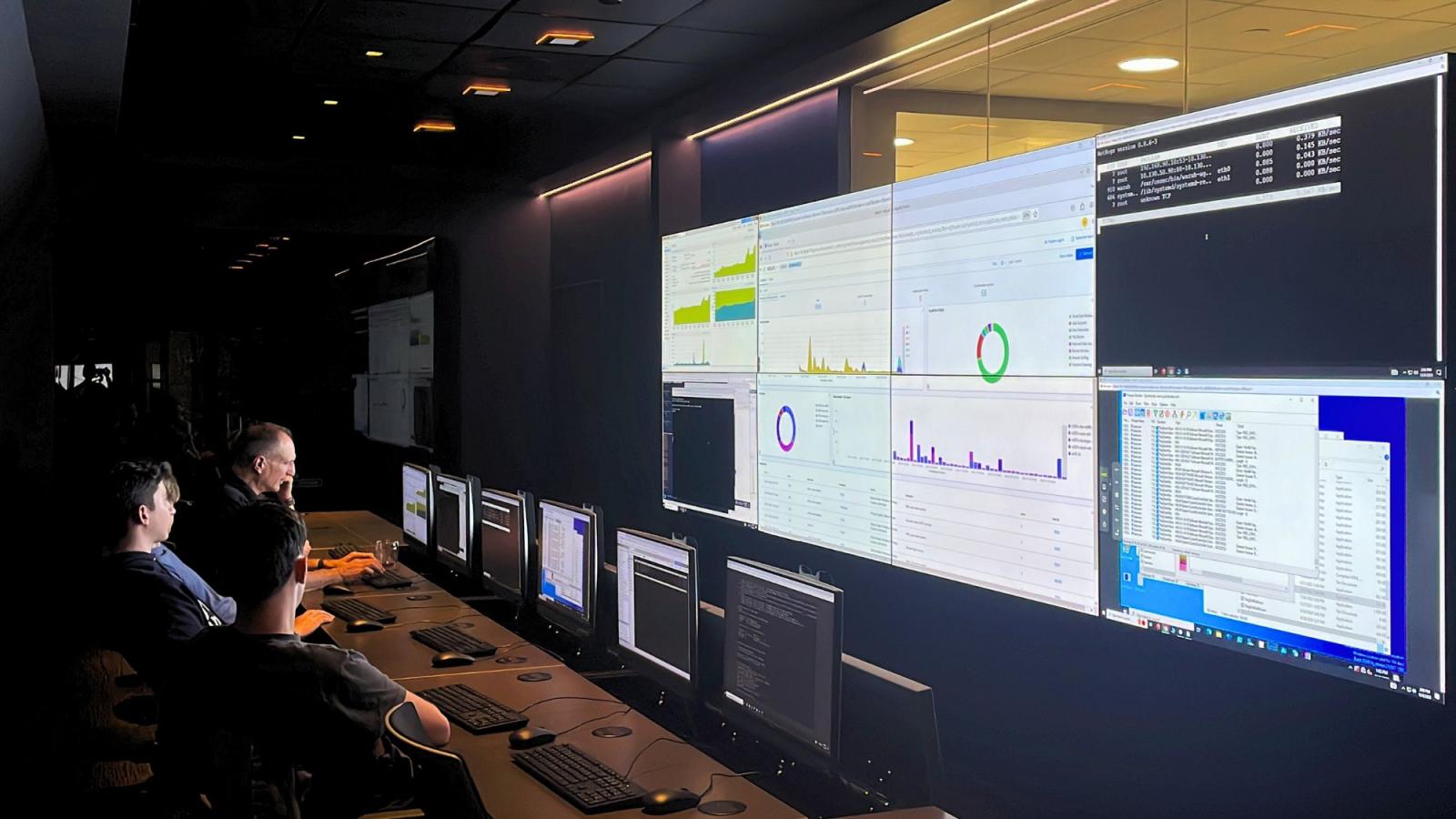
Information Systems matters because modern organizations run on coordinated flows of information. Businesses, universities, hospitals, governments, and nonprofit institutions all need systems that collect data, process it, store it securely, and turn it into useful insight. Without strong information systems, operations become slower, decisions become weaker, and communication becomes fragmented.
This becomes especially important because many students are interested not only in technology itself, but also in how technology solves real organizational problems. Information systems sits in that middle space. It connects technical tools with business needs, user behavior, management processes, and data-driven decision-making. This makes the field especially valuable for students who want both analytical and practical career paths.
There is also a strong connection to database management, business technology, systems analysis, digital transformation, data-driven decision-making, enterprise processes, organizational efficiency, and technology strategy here. A strong understanding of Information Systems is not simply about learning software. It is about understanding how information, technology, and business work together.
My Perspective on the Field
What changed my understanding of Information Systems was realizing that it is not only a technical discipline. It is also a strategic one. At first, some may think the subject is mostly about computers, databases, or applications. But over time, it becomes clear that information systems is really about enabling better decisions, stronger operations, and more effective communication through organized technology use. The human and business side matters just as much as the technical side.
That is what makes this topic meaningful. Information systems is not only about tools. It is also about helping students understand how organizations function in a digital world.
Core Areas Students Learn in Information Systems
The value of Information Systems becomes clearer when its main learning areas are broken down directly.
Technology systems
Students learn how software, hardware, and networks support organizational functions.
Data management
They study how data is collected, stored, processed, and used effectively.
Business process understanding
Students examine how organizations structure work and use systems to improve it.
Systems analysis and design
They learn how to evaluate needs and develop solutions for real operational problems.
Decision support
Information systems helps students understand how data can guide planning and strategy.
User and organizational perspective
Students consider usability, communication, and the role of people in successful system adoption.
How Information Systems Supports Student Development
I have noticed that Information Systems becomes especially valuable because it prepares students for multiple kinds of roles and industries.
It connects theory with practice
Students can apply technical and organizational ideas to real business situations.
It builds interdisciplinary thinking
The field combines business understanding, data awareness, and technology knowledge.
It supports career flexibility
Graduates may work in analysis, systems support, project management, data roles, or business technology.
It strengthens problem-solving
Students learn to identify needs, evaluate systems, and improve processes.
It prepares students for digital workplaces
Nearly every sector depends on information systems in some form.
Common Challenges Students Face
The topic of Information Systems also includes challenges that learners should understand clearly.
Balancing technical and business knowledge
Students may feel stronger in one area than the other.
Understanding abstract system concepts
Processes, models, and enterprise structures can seem complex at first.
Keeping up with changing technology
Digital tools evolve quickly, so adaptability matters.
Translating data into decisions
Knowing information exists is different from knowing how to use it well.
Working across disciplines
The field often requires collaboration with both technical and non-technical stakeholders.
Practical Ways Students Can Succeed in Information Systems
I believe Information Systems becomes easier to understand when students approach it as both a technical and organizational subject.
Learn the logic behind systems
Focus on why a system exists, not only how it functions.
Build comfort with data
Understanding data flow and interpretation is central to the field.
Connect coursework to real organizations
Case studies and practical examples make concepts more meaningful.
Develop communication skills
Information systems professionals often explain technical ideas to non-technical audiences.
Stay curious about technology trends
Awareness of digital change helps students remain relevant and adaptable.
Below is a simple overview of how information systems connects key areas of learning:
| Information Systems Area | Why It Matters | Example in Practice |
|---|---|---|
| Technology support | Helps organizations run efficiently | A company uses integrated software to manage operations |
| Data management | Turns information into usable insight | Student learns how a database stores and retrieves records |
| Business processes | Improves workflow and coordination | A system reduces delays in internal approvals |
| Systems analysis | Solves organizational problems | Students map user needs before proposing a digital solution |
| Decision support | Helps leaders plan effectively | Managers use reports and dashboards to guide choices |
These examples show that Information Systems is not simply a technical subject. It is a field that helps university students connect technology, data, and business in practical and valuable ways.
Why Information Systems Matters Beyond the Classroom
The importance of Information Systems extends beyond academic study. It helps students understand how digital systems shape the way organizations operate, communicate, and make decisions. As businesses and institutions continue to rely on data and technology, students with information systems knowledge are better prepared to contribute across many professional environments.
That broader significance is what makes this topic so valuable. Information systems is not only about technology education. It is also about preparing students to understand and improve the digital structures that support modern organizations.
Final Thoughts
For me, Information Systems is one of the most useful fields for university students because it brings together technology, data, and business in a balanced and practical way. It helps learners move beyond isolated technical knowledge and understand how systems support real organizational goals.
That is why it matters so much. Information Systems is not simply about studying digital tools. It is about helping university students connect technology, data, and business more effectively in a fast-changing world.
Explore our “”Knowledge“” category for more insightful content!
Don't forget to check out our previous article: Film Project: Helping University Students Build Storytelling, Production, and Editing Skills
Penulis

#business technology #data management #digital transformation #Information Systems #information systems education #systems analysis #technology and business #university students
Related Posts
 Kuliah Perdana Menjadi Langkah Awal Mahasiswa Mengenal Sistem Belajar dan Kehidupan Kampus
 Ilmu Kesehatan Anak Membantu Mahasiswa Memahami Kesehatan dan Perawatan Anak Sejak Dini
 Sosial Ekonomi Perikanan Membantu Mahasiswa Memahami Usaha, Masyarakat, dan Kehidupan di Sektor Perikanan
 Manajemen Pariwisata Membantu Mahasiswa Memahami Cara Mengelola Usaha dan Layanan Wisata