
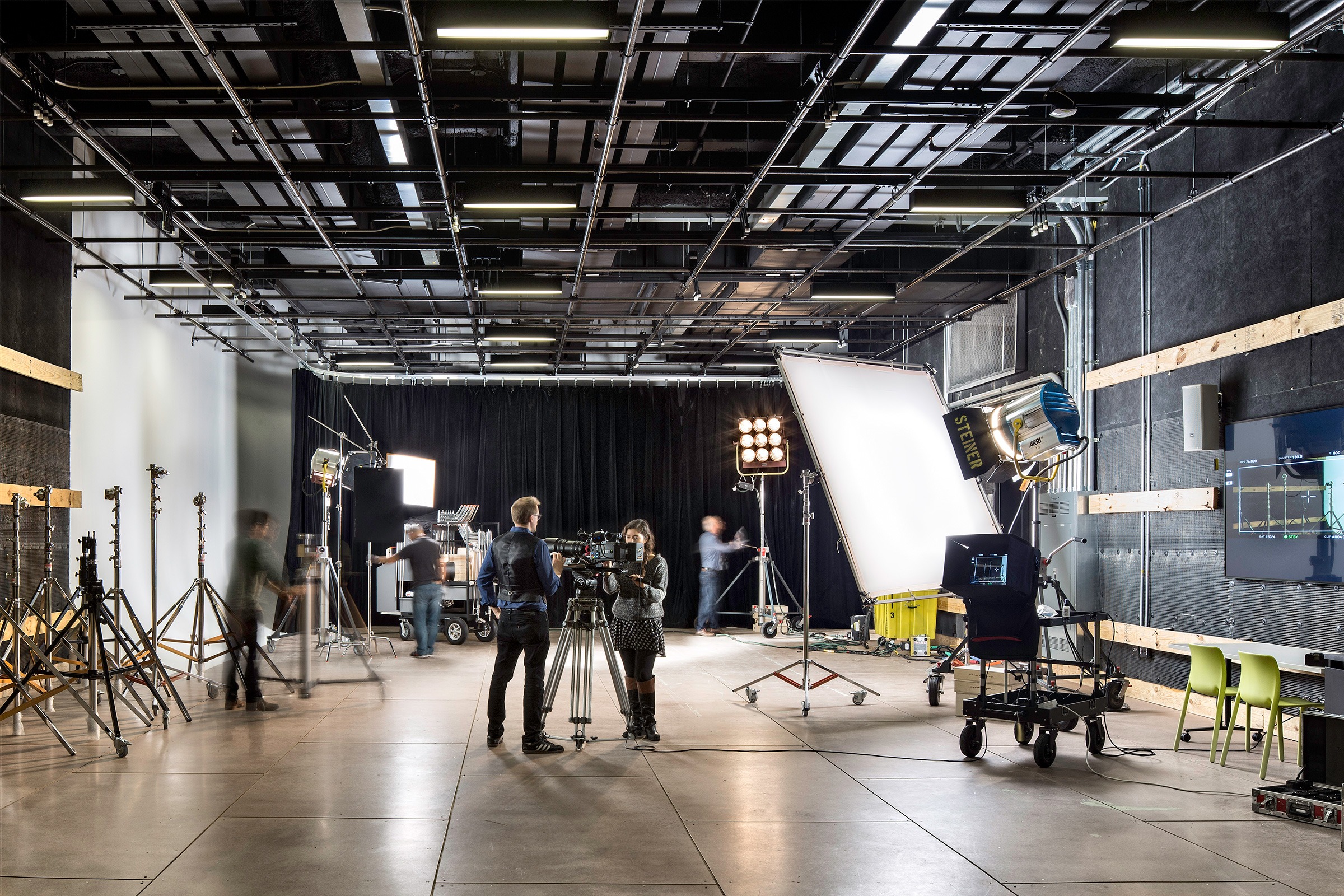
Jakarta, inca.ac.id – A strong university learning experience should give students more than theory alone. It should also help them apply ideas through creative, practical work that builds communication, collaboration, and technical ability. That is why a Film Project can be such a valuable part of higher education. It gives students the opportunity to develop storytelling, production, and editing skills through hands-on work that combines planning, creativity, and teamwork. When designed well, a film project becomes more than a class assignment. It becomes a learning process that strengthens both artistic thinking and professional readiness.
Why a Film Project Matters

A Film Project matters because it brings multiple forms of learning together in one structured activity. Students do not only write ideas on paper. They turn those ideas into visual narratives through scripting, filming, directing, editing, and presenting. This helps them understand how stories are constructed and how creative decisions affect audience response.
This becomes especially important because modern communication is increasingly visual and multimedia-based. Whether students plan to work in media, communication, education, marketing, or other creative industries, the ability to organize ideas into compelling visual form is highly useful. A film project encourages students to think critically, solve problems, and communicate messages with clarity and impact.
There is also a strong connection to visual storytelling, media literacy, production planning, teamwork, scriptwriting, video editing, communication skills, and creative learning here. A strong understanding of the Film Project is not simply about making videos. It is about learning how ideas move from concept to finished production in a thoughtful and effective way.
My Perspective on Creative Skill Development
What changed my understanding of the Film Project was realizing that its real educational value lies in the process as much as the final result. At first, some may think a film project is mainly about recording scenes and editing footage. But over time, it becomes clear that students are also learning how to manage time, communicate within a team, revise creative work, and solve production challenges. The project becomes a complete learning environment.
That is what makes this topic meaningful. A film project is not only about creating content. It is also about helping students develop confidence, discipline, and creative judgment.
Core Skills Students Build Through a Film Project
The value of the Film Project becomes clearer when its main learning outcomes are broken down directly.
Storytelling skills
Students learn how to shape ideas into clear and engaging narratives.
Scriptwriting
They practice organizing scenes, dialogue, pacing, and structure.
Production planning
Students learn scheduling, location planning, role assignment, and resource management.
Camera and sound awareness
They gain experience with framing, lighting, audio quality, and visual composition.
Editing skills
Students develop the ability to cut footage, arrange scenes, add transitions, and improve narrative flow.
Collaboration and communication
Group projects strengthen teamwork, feedback, and shared responsibility.
How a Film Project Supports University Learning
I have noticed that a Film Project becomes especially effective when connected to broader educational goals.
It turns theory into practice
Students apply classroom ideas in a real production process.
It encourages active learning
Creative tasks require decisions, experimentation, and reflection.
It builds transferable skills
Planning, communication, time management, and technical confidence support many future careers.
It promotes engagement
Students often feel more motivated when learning includes creative production.
It supports portfolio development
Completed projects can demonstrate student ability in practical and professional settings.
Common Challenges Students Face
The Film Project also presents challenges that are worth managing carefully.
Limited technical experience
Some students may be unfamiliar with filming or editing tools.
Time pressure
Production tasks can take longer than expected.
Group coordination
Differences in schedules, work habits, and expectations may affect progress.
Resource limitations
Equipment, locations, and software access may be restricted.
Balancing creativity and structure
Students need enough freedom to create while still meeting academic requirements.
Practical Ways to Strengthen a Film Project
I believe a Film Project becomes more successful when students and instructors focus on process, planning, and reflection.
Start with a clear concept
A strong idea makes scripting and production easier to manage.
Plan before filming
Storyboards, schedules, and role assignments reduce confusion later.
Keep the project realistic
A manageable scope usually leads to better execution.
Emphasize editing as part of storytelling
Post-production is where structure, pacing, and clarity often improve most.
Include reflection and feedback
Students learn more when they evaluate what worked and what could be improved.
Below is a simple overview of how a film project supports student skill development:
| Film Project Area | Why It Matters | Example in Practice |
|---|---|---|
| Storytelling | Builds narrative clarity | Students develop a short film with a clear beginning, middle, and end |
| Production planning | Strengthens organization | A team creates a shooting schedule and assigns roles |
| Technical skills | Builds practical media ability | Students record video with attention to framing and sound |
| Editing | Shapes the final message | Raw footage is cut into a coherent and engaging sequence |
| Teamwork | Improves collaboration | Group members coordinate scripting, filming, and review |
These examples show that a Film Project is not simply a creative assignment. It is a practical learning experience that helps university students build storytelling, production, and editing skills in an applied and meaningful way.
Why a Film Project Matters Beyond the Classroom
The importance of a Film Project extends beyond one course or one final presentation. It helps students communicate ideas visually, work effectively with others, and develop confidence in creative problem-solving. In a world where digital media shapes communication across many fields, those skills have value well beyond film studies alone.
That broader significance is what makes this topic so valuable. A film project is not only about producing a short video. It is also about preparing students to think creatively, work collaboratively, and communicate with greater impact.
Final Thoughts
For me, the Film Project is one of the most effective ways to combine creativity with applied learning in higher education. It helps students move from ideas to execution while developing storytelling, production, and editing skills that remain useful across academic and professional contexts.
That is why it matters so much. A Film Project is not simply a media assignment. It is a structured learning experience that helps university students build practical skills, creative confidence, and stronger communication through the process of making a film.
Explore our “”Knowledge“” category for more insightful content!
Don't forget to check out our previous article: Semester System: A University Student Guide to Academic Terms, Credits, and Planning
Penulis

#creative learning #editing skills #Film Project #media literacy #Storytelling #Student Projects #university students #video production
Related Posts
 Kuliah Perdana Menjadi Langkah Awal Mahasiswa Mengenal Sistem Belajar dan Kehidupan Kampus
 Ilmu Kesehatan Anak Membantu Mahasiswa Memahami Kesehatan dan Perawatan Anak Sejak Dini
 Sosial Ekonomi Perikanan Membantu Mahasiswa Memahami Usaha, Masyarakat, dan Kehidupan di Sektor Perikanan
 Manajemen Pariwisata Membantu Mahasiswa Memahami Cara Mengelola Usaha dan Layanan Wisata