
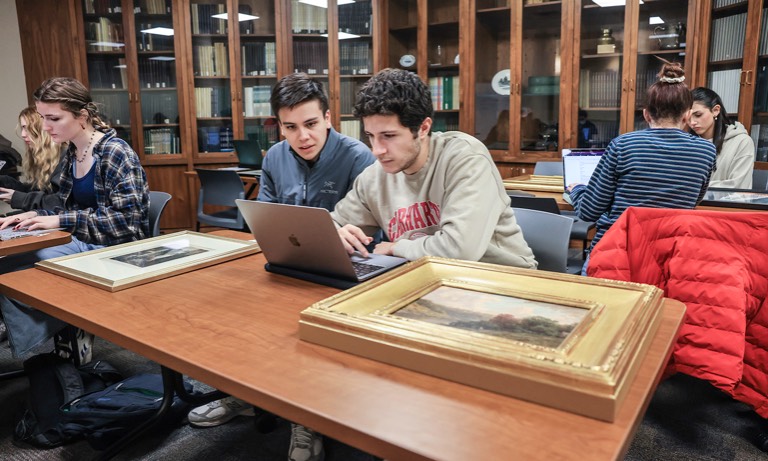
Jakarta, inca.ac.id – Universities are places where knowledge is created, examined, and passed on, which makes them a natural home for the study of history and cultural preservation. That is why Museum Studies holds such an important place in higher education. It is not only about collecting old objects or organizing exhibitions. It is an academic and professional field that teaches students how to preserve heritage, interpret historical materials, manage collections, and connect the public with the past in meaningful ways. Museum Studies brings together scholarship, conservation, education, and community engagement, making it one of the most practical and intellectually rich areas of university study.
Why Museum Studies Matters
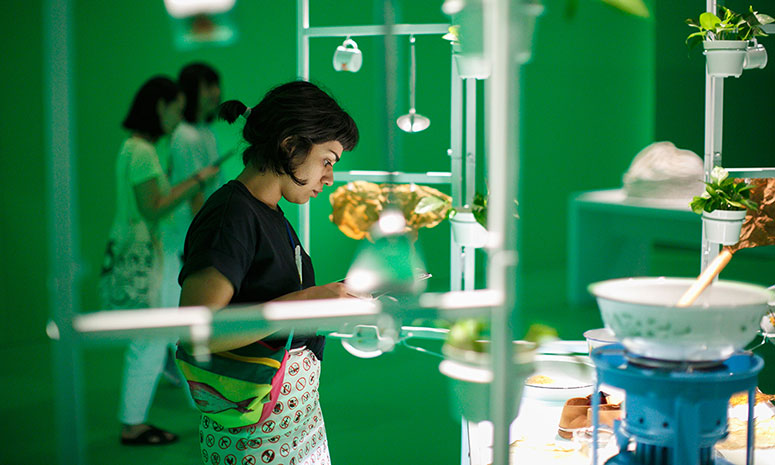
Museum Studies matters because preserving history requires more than good intentions. Historical objects, archives, artworks, and cultural materials need careful documentation, conservation, interpretation, and ethical management. Without trained professionals and informed systems, valuable parts of the human story can be lost, damaged, misunderstood, or removed from their proper context.
This becomes especially important because museums are not only storage spaces for artifacts. They are educational institutions, cultural record keepers, and public spaces for reflection. Through exhibitions, collections, and research, museums help people understand societies, events, identities, and artistic traditions across time. Museum Studies prepares students to take part in that work with both academic rigor and practical responsibility.
There is also a strong connection to higher education, historical knowledge, conservation, archival practice, public engagement, cultural heritage, research methods, and ethical stewardship here. A strong understanding of Museum Studies is not simply about appreciating history. It is about learning how to preserve, interpret, and share it responsibly within university and public settings.
My Perspective on Preserving History
What changed my understanding of Museum Studies was realizing that preservation is not only about protecting physical objects. It is also about protecting meaning. At first, some may think museums are mainly concerned with display cases, labels, and storage rooms. But over time, it becomes clear that the field is much broader. Museum professionals must ask what should be preserved, how it should be interpreted, who has authority over cultural material, and how institutions can serve diverse audiences fairly and thoughtfully.
That is what makes this topic meaningful. Museum Studies is not only about the past. It is also about the present decisions that shape how history is understood in the future.
Core Areas in Museum Studies
The value of Museum Studies becomes clearer when the field is broken down into its main areas.
Collection management
Students learn how to document, organize, store, and care for artifacts and historical materials in a systematic way.
Conservation
This area focuses on protecting objects from damage, decay, and environmental risk while preserving their physical integrity.
Exhibition design
Museum Studies includes how exhibitions are planned, structured, and presented so that audiences can engage with collections meaningfully.
Curatorial practice
Curators interpret objects, develop themes, conduct research, and shape how collections are presented to the public.
Museum education
Museums serve as learning spaces, and this area focuses on how visitors of different ages and backgrounds can engage with historical material.
Heritage ethics
Students examine questions of ownership, representation, repatriation, accessibility, and cultural responsibility.
Common Challenges in Museum Studies
Museum Studies also involves important challenges that students and institutions must understand.
Preservation limits
Objects can deteriorate over time, and conservation resources are often limited.
Ethical concerns
Museums may face difficult questions about acquisition, colonial history, and rightful ownership of artifacts.
Public accessibility
Institutions must balance scholarly depth with visitor understanding and inclusion.
Funding pressures
Museums often need to preserve collections while managing limited budgets.
Representation and interpretation
Deciding whose stories are told and how they are told is never a neutral process.
Practical Benefits of Studying Museum Studies at University
Museum Studies becomes especially valuable at university because students can connect theory with direct practice.
Academic research
University settings support historical investigation, interdisciplinary study, and critical analysis.
Hands-on experience
Students may work with collections, archives, exhibitions, or institutional projects.
Professional preparation
The field prepares graduates for roles in museums, galleries, archives, heritage institutions, and cultural organizations.
Public impact
Students learn how historical knowledge can be shared beyond the classroom.
Critical awareness
The subject encourages thoughtful reflection on memory, identity, and cultural responsibility.
Below is a simple overview of major areas within Museum Studies:
| Museum Studies Area | Why It Matters | Example in Practice |
|---|---|---|
| Collection management | Protects historical materials | Cataloging and storing artifacts correctly |
| Conservation | Preserves physical condition | Preventing textile damage from light exposure |
| Exhibition design | Improves public understanding | Creating a thematic gallery display |
| Curatorial practice | Interprets collections | Researching objects for a historical exhibition |
| Heritage ethics | Guides responsible stewardship | Reviewing repatriation claims for cultural artifacts |
These examples show that Museum Studies is not simply about preserving old items. It is a field that combines scholarship, ethics, and professional practice to protect and interpret history responsibly.
Why Museum Studies Matters Beyond University
The importance of Museum Studies extends beyond academic training. The work of preserving and interpreting history affects cultural memory, education, identity, and public understanding. Museums and heritage institutions help societies reflect on where they have been and how they wish to represent that past moving forward.
That broader significance is what makes this topic so valuable. Museum Studies is not only about preserving history at university. It is also about shaping how communities remember, learn, and connect with their cultural heritage.
Final Thoughts
For me, Museum Studies is one of the most meaningful university fields because it connects historical knowledge with real responsibility. It asks students not only to study the past, but also to care for it, interpret it, and make it accessible to others in thoughtful and ethical ways.
That is why it matters so much. Museum Studies is not simply an academic subject. It is a field devoted to preserving history, protecting cultural heritage, and helping future generations understand the stories that shaped the world.
Explore our “”Knowledge“” category for more insightful content!
Don't forget to check out our previous article: Language Proficiency: Effective Ways to Improve Academic and Professional Language Skills
Penulis

#collection management #conservation #cultural heritage #curatorial practice #museum education #Museum Studies #preserving history #university education
Related Posts
 Kuliah Perdana Menjadi Langkah Awal Mahasiswa Mengenal Sistem Belajar dan Kehidupan Kampus
 Ilmu Kesehatan Anak Membantu Mahasiswa Memahami Kesehatan dan Perawatan Anak Sejak Dini
 Sosial Ekonomi Perikanan Membantu Mahasiswa Memahami Usaha, Masyarakat, dan Kehidupan di Sektor Perikanan
 Manajemen Pariwisata Membantu Mahasiswa Memahami Cara Mengelola Usaha dan Layanan Wisata