
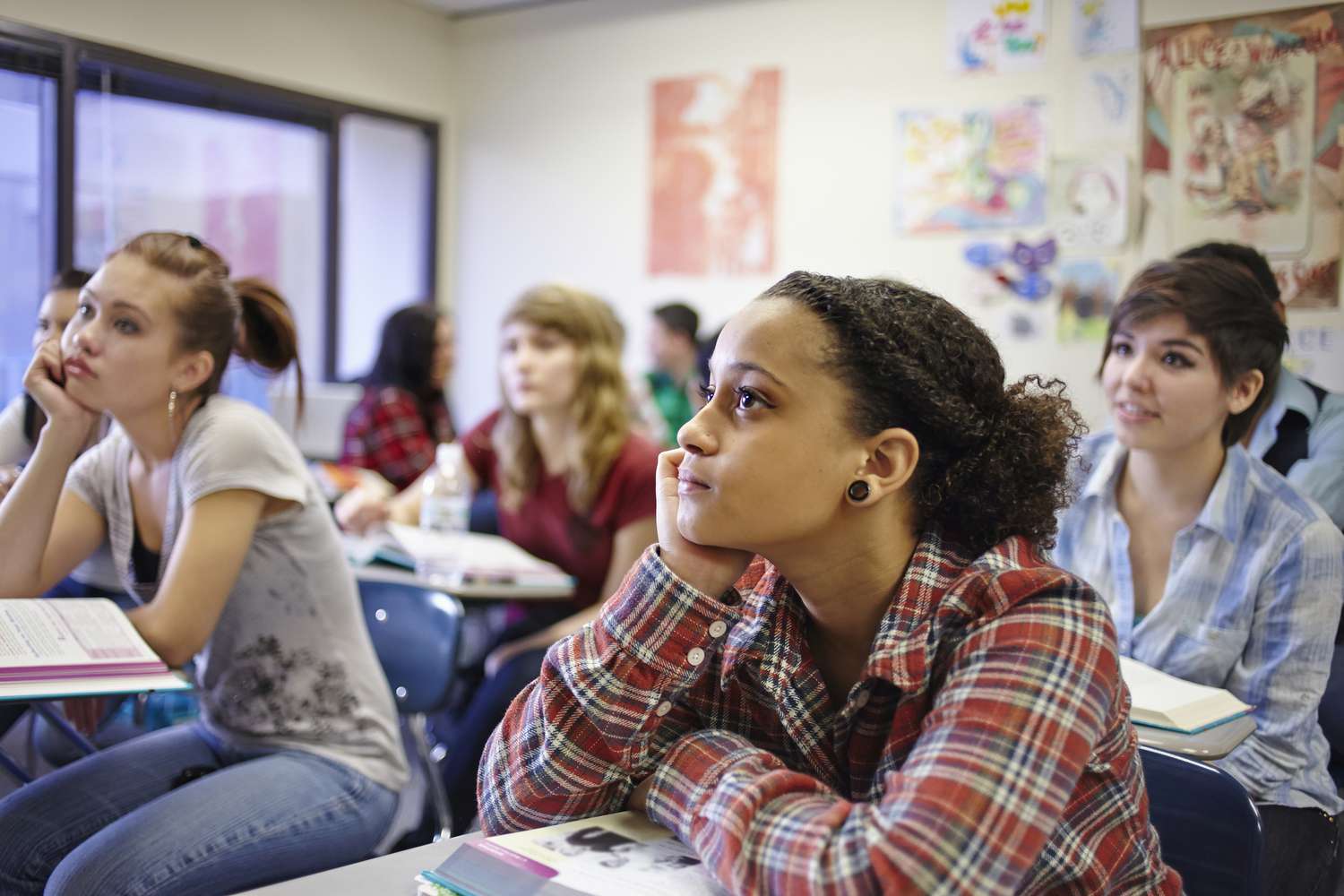
Jakarta, inca.ac.id – A good classroom environment does not happen by accident. It is shaped every day by the small choices students and teachers make in how they speak, listen, participate, and respond to one another. Some behaviors may seem minor in the moment, but together they influence whether a classroom feels focused, respectful, and safe for learning. That is where Classroom Etiquette becomes especially important. To me, classroom etiquette is the set of practical behaviors and social expectations that help create a respectful, productive, and supportive learning atmosphere.
Why Classroom Etiquette Matters
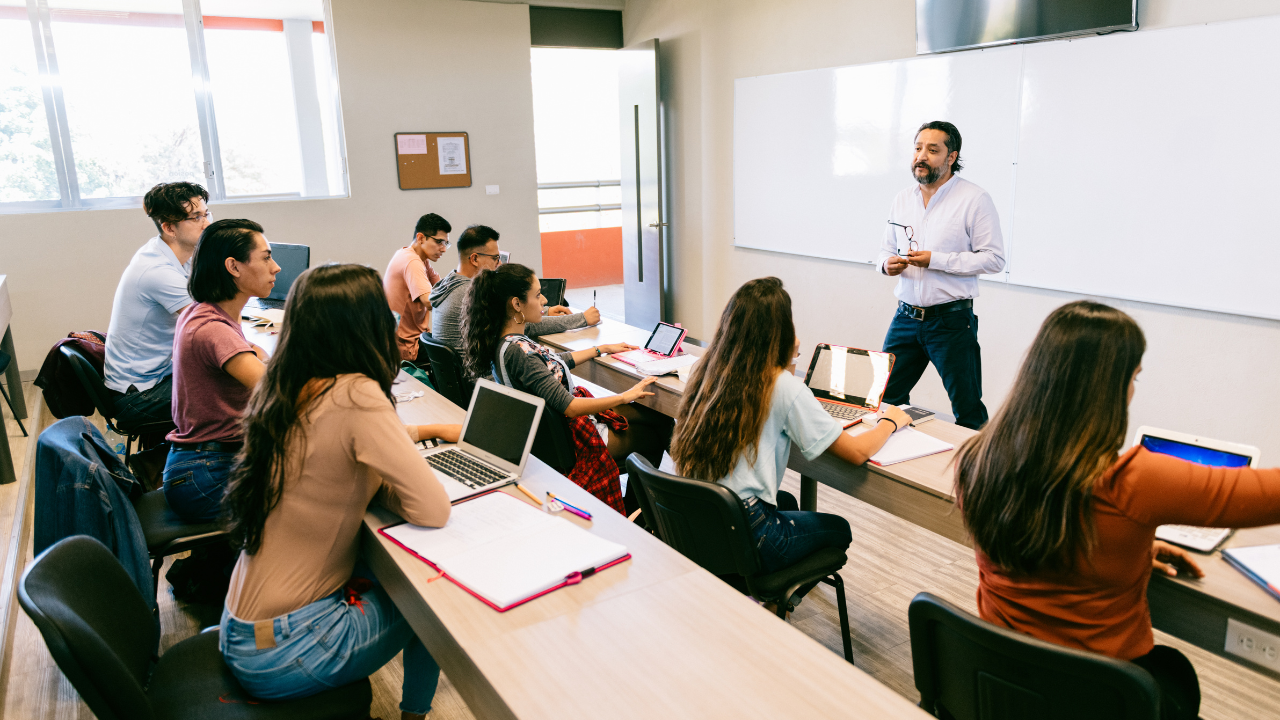
In my experience, Classroom Etiquette matters because learning depends on more than subject knowledge alone. Even a well-prepared lesson becomes less effective if students interrupt constantly, ignore instructions, distract others, or treat classmates disrespectfully. A respectful classroom allows everyone to concentrate more fully and participate with greater confidence.
This becomes especially important because classrooms bring together different personalities, communication styles, and comfort levels. Some students are eager to speak. Others need more time and space before participating. Etiquette helps create shared expectations so that no one person dominates the environment and no one feels dismissed or overlooked.
There is also a strong connection to student Knowledge, respect, self-discipline, communication, active listening, peer awareness, and learning responsibility here. Good classroom etiquette is not simply about being quiet or obedient. It is about practical behaviors that make shared learning smoother, fairer, and more respectful for everyone involved.
My Perspective on Respectful Classroom Behavior
What changed my understanding of Classroom Etiquette was realizing that respectful behavior is not only about rules. It is also about awareness. At first, some may think etiquette is just a list of do’s and don’ts, like raising a hand, arriving on time, or not using a phone in class. But over time, I came to see that those actions matter because of what they communicate. They show consideration for the instructor, for classmates, and for the learning process itself.
That is what makes this topic meaningful to me. Classroom etiquette is not only about following expectations. It is about helping create a learning space where people can focus, contribute, and feel respected.
Practical Behaviors That Support Classroom Etiquette
I think the value of Classroom Etiquette becomes clearer when the main behaviors are broken down directly.
Arriving on time
Punctuality helps avoid disruption and shows readiness to learn.
Listening when others speak
Respectful attention supports better discussion and understanding.
Participating appropriately
Students should contribute without dominating or interrupting.
Limiting distractions
Phones, side conversations, and unrelated activities can affect everyone.
Using respectful language
Tone and word choice matter in shared learning spaces.
Following classroom expectations
Basic routines help classes run more smoothly.
Common Classroom Etiquette Problems
I have noticed that Classroom Etiquette is often challenged by a few recurring behaviors.
Interrupting others
This can discourage participation and disrupt discussion.
Excessive talking
Side conversations reduce focus.
Device misuse
Phones and laptops can become distractions if not used responsibly.
Disrespectful responses
Mocking, dismissive comments, or rude tone weaken classroom trust.
Lack of preparation
Coming unprepared can reduce both personal learning and group effectiveness.
Practical Ways to Build a Respectful Learning Atmosphere
I believe Classroom Etiquette becomes stronger when students practice a few consistent habits.
Be aware of shared space
Classrooms work best when students remember that their behavior affects others.
Think before speaking
Respectful participation includes timing, tone, and relevance.
Stay engaged
Attention is part of respect.
Respect differences
Classmates may have different ideas, backgrounds, or speaking styles.
Take responsibility
Good etiquette depends on self-management, not constant correction.
Below is a simple overview of classroom etiquette in practice:
| Classroom Etiquette Behavior | Why It Matters | Example in Practice |
|---|---|---|
| Arriving on time | Prevents disruption | A student is seated and ready before class begins |
| Listening actively | Supports respectful discussion | A student lets a classmate finish speaking before responding |
| Limiting distractions | Protects focus | A phone is silenced and put away during the lesson |
| Respectful participation | Encourages inclusion | A student contributes thoughtfully without interrupting |
| Preparedness | Strengthens learning | A student brings required materials and has reviewed assignments |
These examples show that classroom etiquette is not simply about formal manners. It is a practical framework that helps classrooms function as respectful, focused, and collaborative learning spaces.
Why Classroom Etiquette Matters Beyond the Classroom
I think Classroom Etiquette matters because the habits students practice in school often carry into other parts of life. Punctuality, respectful communication, listening, self-control, and awareness of shared space are all skills that matter in workplaces, communities, and relationships. Classroom behavior can help shape broader habits of responsibility and mutual respect.
That broader significance is what makes this topic so valuable. Classroom etiquette is not only about better behavior during lessons. It is also about developing habits that support respectful interaction in many settings.
Final Thoughts
For me, Classroom Etiquette is one of the simplest but most powerful foundations of a healthy learning environment. It helps students and teachers share space more respectfully, communicate more effectively, and support a classroom culture where learning can happen more smoothly.
That is why it matters so much. Classroom etiquette is not simply a list of classroom rules. It is a set of practical behaviors that create a respectful learning atmosphere for everyone involved.
Explore our “”Knowledge“” category for more insightful content.
Don't forget to check out our previous article: Campus Volunteering: Personal Growth Benefits of Joining Volunteer Programs at University
Penulis

#active listening #Classroom Etiquette #classroom management #learning atmosphere #respectful learning #school conduct #student behavior #student responsibility
Related Posts
 Kuliah Perdana Menjadi Langkah Awal Mahasiswa Mengenal Sistem Belajar dan Kehidupan Kampus
 Ilmu Kesehatan Anak Membantu Mahasiswa Memahami Kesehatan dan Perawatan Anak Sejak Dini
 Sosial Ekonomi Perikanan Membantu Mahasiswa Memahami Usaha, Masyarakat, dan Kehidupan di Sektor Perikanan
 Manajemen Pariwisata Membantu Mahasiswa Memahami Cara Mengelola Usaha dan Layanan Wisata