
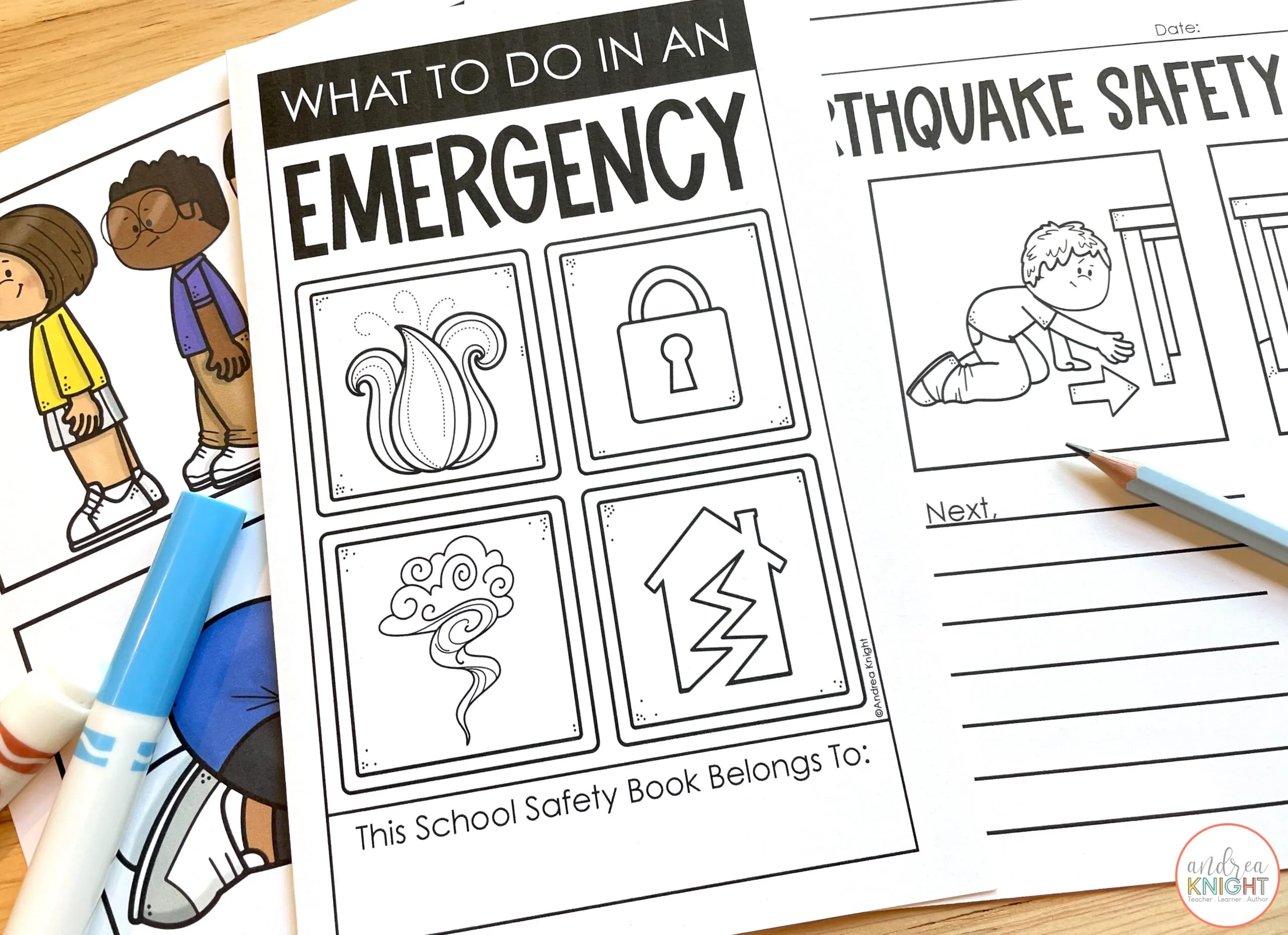
Jakarta, inca.ac.id – University life is often associated with lectures, research, student organizations, residence halls, libraries, laboratories, and social activity. Yet behind the daily rhythm of campus life lies an important responsibility that supports all of these functions: preparedness. Universities are complex environments with large populations, multiple buildings, specialized facilities, and diverse risks ranging from fires and earthquakes to medical incidents, security concerns, and technological disruptions. That is why Emergency Drills are such an essential part of campus safety. To me, emergency drills are organized practice exercises that help students, staff, and institutions prepare for unexpected events through rehearsed action, clearer coordination, and faster response.
Why Emergency Drills Matter
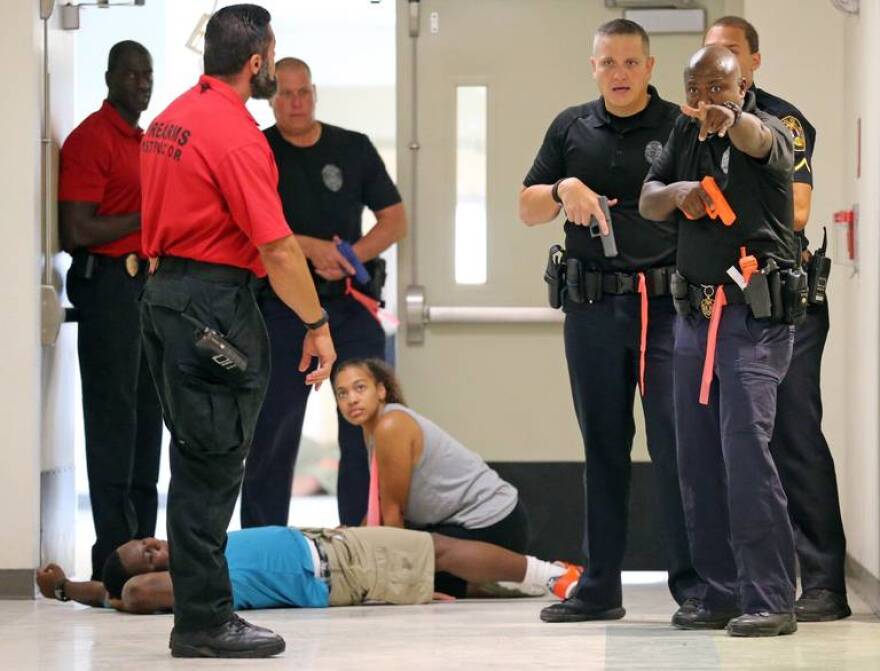
In my experience, Emergency Drills matter because real emergencies rarely leave time for calm improvisation. When people are unfamiliar with exits, unsure of procedures, or unclear about who is responsible for what, even a manageable situation can become chaotic. Emergency drills help reduce that uncertainty. They allow campus communities to practice what to do before an actual crisis occurs.
This becomes especially important because universities include classrooms, dormitories, offices, laboratories, cafeterias, event spaces, and public gathering areas. Each environment presents different safety considerations. Drills help institutions test systems, identify weaknesses, improve coordination, and build familiarity with emergency procedures across these settings.
There is also a strong connection to institutional Knowledge, risk reduction, student well-being, operational continuity, and collective responsibility here. Good emergency drills are not simply routine exercises. They are a practical way of preparing university life for the unexpected.
My Perspective on Campus Preparedness
What changed my understanding of Emergency Drills was realizing that preparedness is not mainly about fear. At first, some may think drills are disruptive, repetitive, or only symbolic. But over time, I came to see that they are a form of practical education. They help people build habits, reduce panic, and respond more effectively when conditions are stressful. A drill may feel ordinary in the moment, but its value becomes clear when something unusual happens.
That is what makes this topic meaningful to me. Emergency drills are not only about compliance. They are about helping campus communities respond with greater clarity and confidence.
Core Functions of Emergency Drills
I think the value of Emergency Drills becomes easier to understand when their major functions are broken down clearly.
Procedure familiarization
People learn evacuation routes, shelter locations, and response steps.
Coordination practice
Staff and safety teams can rehearse roles and communication.
Risk awareness
Drills remind the campus community that safety requires attention and preparation.
System testing
Institutions can evaluate alarms, messaging systems, and response timing.
Confidence building
Practice reduces confusion and panic during real incidents.
Continuous improvement
Weak points can be identified and corrected after each drill.
Common Challenges in Emergency Drills
I have noticed that Emergency Drills also come with several challenges.
Low participation
Some people may not take drills seriously.
Routine fatigue
Frequent drills can begin to feel repetitive or unimportant.
Disruption concerns
Academic or operational schedules may be interrupted.
Communication gaps
Instructions may not be equally clear to everyone on campus.
Limited realism
Some drills may not fully reflect real emergency complexity.
Practical Value of Emergency Drills
I believe Emergency Drills offer lasting value because they improve readiness not only at the individual level but also across the institution.
They reduce panic
People respond more calmly when procedures are familiar.
They improve response speed
Practice shortens hesitation during emergencies.
They strengthen campus coordination
Departments and safety teams work together more effectively.
They reveal weaknesses
Institutions can improve plans, signage, technology, or training.
They support a safety culture
Preparedness becomes part of everyday campus responsibility.
Below is a simple overview of how emergency drills support university preparedness:
| Emergency Drills Function | Why It Matters | Example in Practice |
|---|---|---|
| Procedure familiarization | Builds response knowledge | Students learn evacuation routes in residence halls |
| Coordination practice | Improves teamwork | Staff rehearse building clearance and reporting roles |
| System testing | Confirms readiness | Alarm systems and emergency alerts are checked during drills |
| Confidence building | Reduces panic | Participants know where to go and what to do |
| Continuous improvement | Strengthens future response | The university updates procedures after reviewing drill outcomes |
These examples show that emergency drills are not simply procedural requirements. They are a practical part of preparing university life for unexpected events and protecting the campus community.
Why Emergency Drills Matter Beyond Safety Compliance
I think Emergency Drills matter because they strengthen institutional responsibility in ways that go beyond meeting regulations. They help create a campus environment where preparedness, coordination, and care for others are taken seriously. When students and staff understand emergency procedures, they are not only protecting themselves. They are also contributing to a safer community for everyone around them.
That broader significance is what makes this topic so valuable. Emergency drills are not only about compliance. They are about creating a more prepared, responsive, and resilient university environment.
Final Thoughts
For me, Emergency Drills are one of the most important elements of campus safety because they turn emergency planning into practical action. They help universities move from written procedures to lived readiness.
That is why it matters so much. Emergency drills are not simply scheduled exercises. They are an essential part of preparing university life for the unexpected.
Explore our “”Knowledge“” category for more insightful content!
Don't forget to check out our previous article: Student Activism: How Student Movements Contribute to Meaningful Social Change
Penulis

#campus safety #Emergency Drills #emergency response #evacuation planning #institutional resilience #risk reduction #student safety #university preparedness
Related Posts
 Kuliah Perdana Menjadi Langkah Awal Mahasiswa Mengenal Sistem Belajar dan Kehidupan Kampus
 Ilmu Kesehatan Anak Membantu Mahasiswa Memahami Kesehatan dan Perawatan Anak Sejak Dini
 Sosial Ekonomi Perikanan Membantu Mahasiswa Memahami Usaha, Masyarakat, dan Kehidupan di Sektor Perikanan
 Manajemen Pariwisata Membantu Mahasiswa Memahami Cara Mengelola Usaha dan Layanan Wisata