
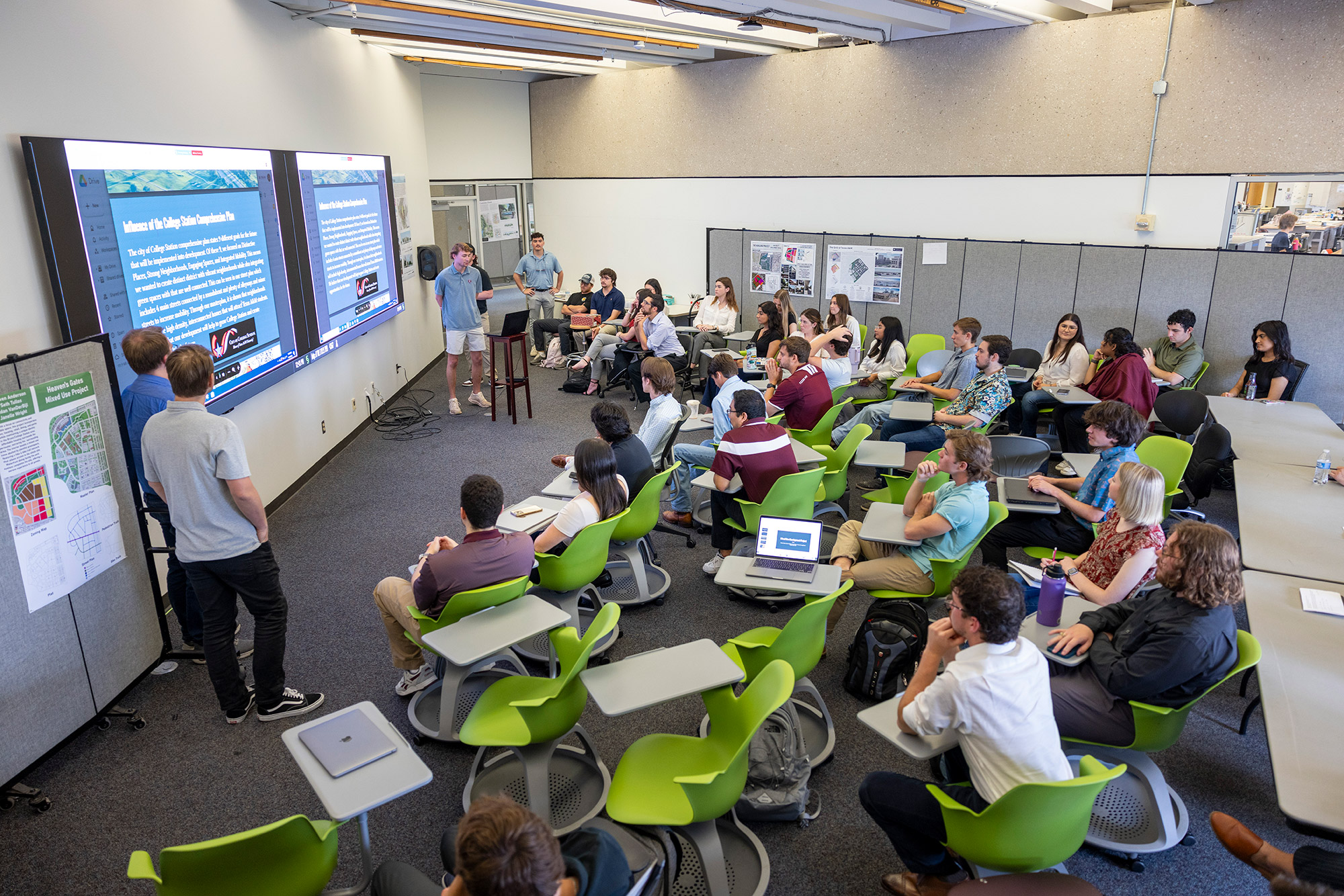
Jakarta, inca.ac.id – Regional Planning is the study and practice of organizing land use, infrastructure, housing, transportation, environmental systems, and public services across broader geographic areas. In a college setting, regional planning is often explored as an academic field that prepares students to understand how cities, suburbs, towns, and surrounding regions grow and function together. It is a discipline that combines policy, design, economics, sustainability, and social analysis to help shape stronger and more connected communities.
What makes Regional Planning especially meaningful in college is that it gives students the tools to think beyond individual buildings or neighborhoods and consider how whole regions interact. Students in this field learn how decisions about transit, zoning, population growth, public space, and development patterns affect quality of life over time. It is a subject where maps, policy, and community needs all sit at the same table, which is quite a crowded table but an important one.
What Regional Planning Is
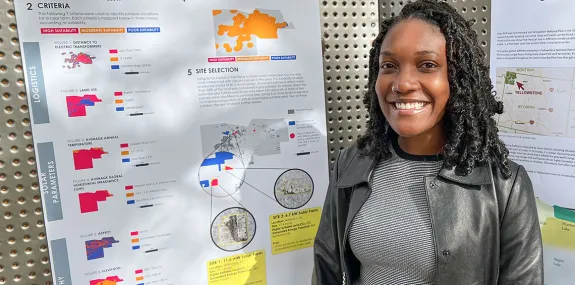
Regional Planning is the coordinated planning of land, resources, infrastructure, and development across a large area that may include multiple cities, towns, and jurisdictions. In college, it is often taught as part of urban planning, geography, public policy, environmental studies, or community development programs.
Common features associated with Regional Planning include:
- Land use planning
- Transportation systems analysis
- Environmental management
- Housing and development strategy
- Public policy integration
- Community and economic planning
- Infrastructure coordination
- Long-term spatial thinking
These features explain why Regional Planning is an important field of study for students interested in shaping communities.
Why Regional Planning Matters
Regional Planning matters because communities do not function in isolation. Housing, transportation, jobs, environment, and public services are connected across wider areas.
Community Development
Regional planning helps guide growth in ways that support livable and organized communities.
Infrastructure Coordination
It aligns transportation, utilities, and public systems across local boundaries.
Environmental Stewardship
Planning at the regional scale helps protect resources, reduce risk, and support sustainability.
Economic Strategy
It supports balanced development, employment access, and long-term regional competitiveness.
Social Impact
Regional planning can improve equity, mobility, and access to essential services.
These strengths explain why Regional Planning is valuable both as a profession and a college discipline.
Core Characteristics of Regional Planning
Its academic and practical importance becomes clearer when its main qualities are viewed together.
| Characteristic | Description | Why It Matters |
|---|---|---|
| Large-scale perspective | Focuses on systems that cross local boundaries | Helps coordinate wider community development |
| Interdisciplinary approach | Combines policy, environment, design, and economics | Reflects the complexity of real regions |
| Long-term thinking | Plans for future growth and change | Supports sustainable outcomes |
| Public interest focus | Aims to improve quality of life and resource use | Connects planning to community well-being |
| Data-informed analysis | Uses maps, demographics, and trends | Strengthens decision-making and strategy |
Together, these characteristics show why Regional Planning plays an important role in shaping communities in college and beyond.
How Regional Planning Is Studied in College
In college, Regional Planning is usually taught through a mix of theory, research, fieldwork, mapping, policy analysis, and project-based learning. Students may study urban systems, transportation planning, land use regulation, environmental policy, spatial analysis, and community engagement. Programs often encourage students to examine how planning decisions affect real places and populations over time.
It is especially associated with:
- Urban and regional planning programs
- Geography departments
- Public policy studies
- Environmental planning
- Community development education
- Transportation planning courses
- GIS and spatial analysis
- Sustainability studies
This broad academic relevance shows how Regional Planning helps students understand and influence how communities evolve.
Career Relevance of Regional Planning
Regional Planning also matters in college because it connects directly to meaningful career paths.
Common Career Areas
- Urban and regional planner
- Transportation planner
- Land use analyst
- Community development specialist
- Environmental planner
- GIS analyst
- Public policy advisor
- Sustainability coordinator
These career paths show how studying Regional Planning can lead to work that shapes real communities and public systems.
Why It Remains Important
Regional Planning remains important because modern communities face challenges that are too interconnected to solve at only one local level. Population growth, housing demand, environmental pressures, transportation needs, and economic change all require coordinated thinking across regions. In college, studying this field equips students to approach these challenges with structure, analysis, and a public-minded perspective.
It continues to stand out because it provides:
- A systems-level view of communities
- Practical tools for shaping development
- Strong links between policy and place
- Career pathways in public and private planning
- A meaningful role in community improvement
This is why Regional Planning remains essential to shaping communities in college.
Final Thoughts
Regional Planning helps students understand how places are connected and how thoughtful planning can improve life across entire regions. As a college field of study, it encourages analytical thinking, public responsibility, and long-term vision. By exploring how land, infrastructure, policy, and people interact, students gain the ability to contribute to more organized, sustainable, and inclusive communities.
The key takeaway is simple. Regional Planning matters because it teaches how to shape communities not just one site at a time, but as part of a larger and more connected whole.
Explore our “”Knowledge“” category for more insightful content!
Don't forget to check out our previous article: Logistics Management: Optimizing Supply Chains in College
Penulis

#college major #Community Development #land use #planning education #public policy #regional development #Regional Planning #Sustainability #transportation planning #urban planning
Related Posts
 Kuliah Perdana Menjadi Langkah Awal Mahasiswa Mengenal Sistem Belajar dan Kehidupan Kampus
 Ilmu Kesehatan Anak Membantu Mahasiswa Memahami Kesehatan dan Perawatan Anak Sejak Dini
 Sosial Ekonomi Perikanan Membantu Mahasiswa Memahami Usaha, Masyarakat, dan Kehidupan di Sektor Perikanan
 Manajemen Pariwisata Membantu Mahasiswa Memahami Cara Mengelola Usaha dan Layanan Wisata