
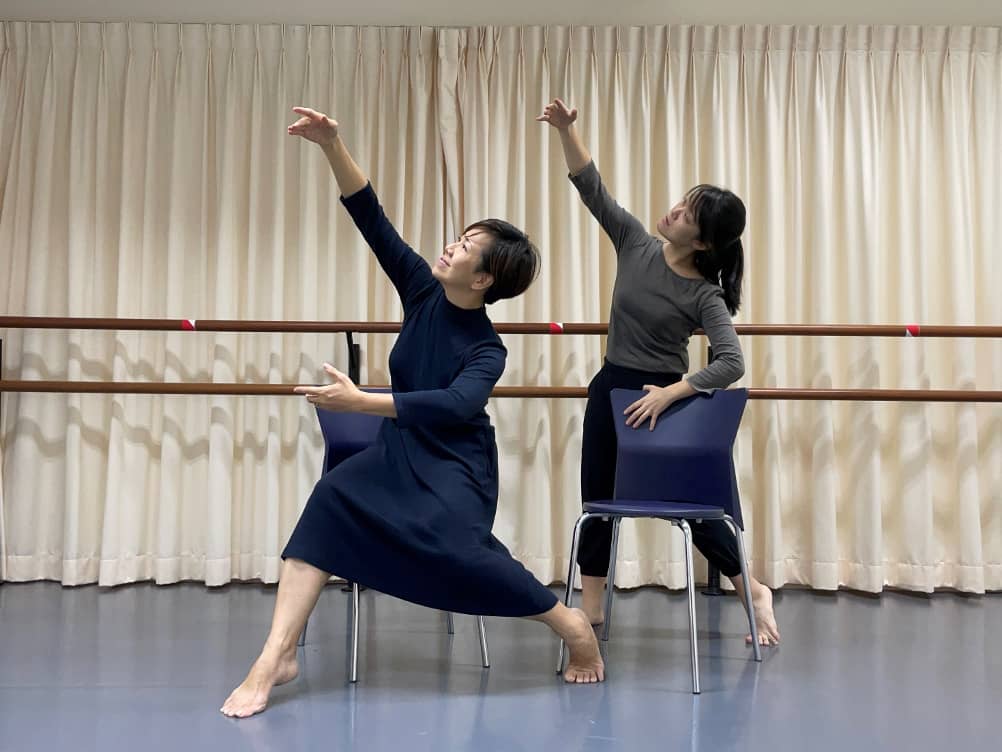
Jakarta, inca.ac.id – College life is often described in terms of ideas, goals, schedules, and achievement, but students do not experience that life only through the mind. They also experience it through the body: through tension, exhaustion, restlessness, emotional heaviness, excitement, and the physical effects of stress. That is why Dance Therapy offers such a meaningful form of support in college settings. To me, dance therapy is not simply dancing for fun or exercise. It is a therapeutic practice that uses movement to help individuals express emotion, reduce stress, strengthen self-awareness, and reconnect body and mind in ways that support overall well-being.
Why Dance Therapy Matters
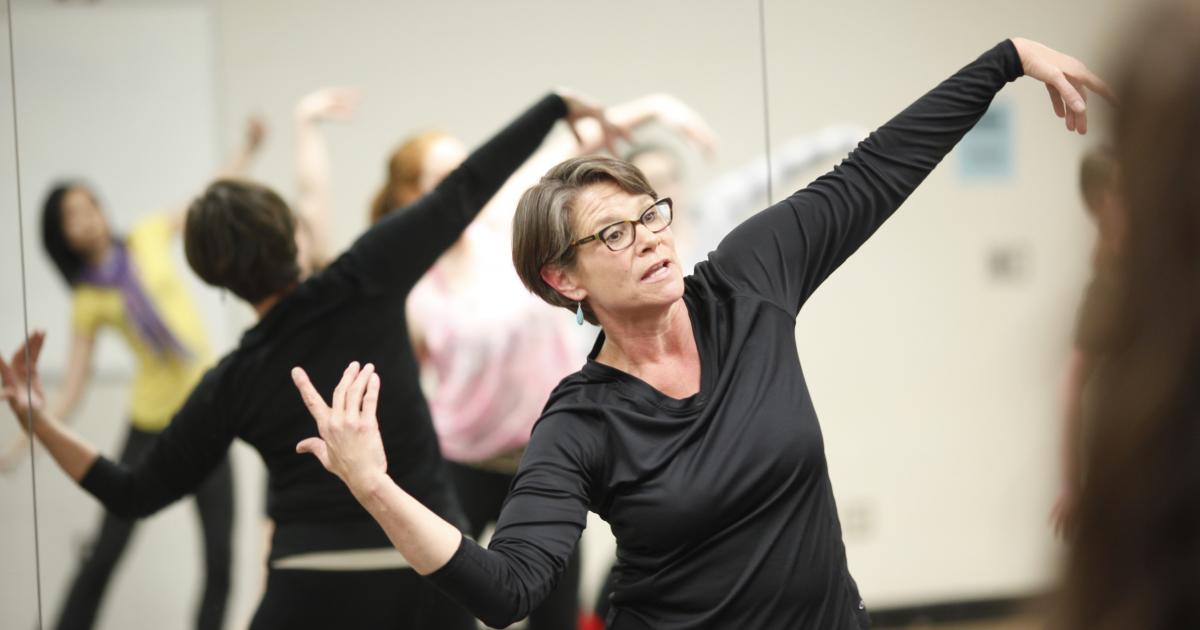
In my experience, Dance Therapy matters because not every experience can be processed only through words. College students often carry emotional pressure that shows up physically: tight shoulders, fatigue, nervous energy, disconnection, or difficulty calming down. Movement-based therapeutic approaches can help students explore and release these experiences in a more embodied way.
This becomes especially important because college is a period of intense change. Students are developing identity, managing academic expectations, navigating relationships, and adjusting to new responsibilities. Some may feel isolated from their own emotions or disconnected from their bodies because of stress or performance pressure. Dance therapy creates space for expression that is active, reflective, and often freeing.
There is also a strong connection to emotional Knowledge and bodily awareness here. Through movement, students can notice feelings, patterns, and reactions that may otherwise remain unrecognized.
My Perspective on Movement and Wellness
What changed my understanding of Dance Therapy was realizing that movement can be a form of insight, not just activity. At first, dance therapy may seem like a creative wellness option mainly for people who enjoy performance or already feel comfortable dancing. But over time, I came to see that its therapeutic value lies in expression, presence, and connection rather than technique. The goal is not to perform well. The goal is to move in ways that help a person feel, release, explore, and understand.
That is what makes this topic meaningful to me. Dance therapy is not only about movement. It is about using movement as a path toward emotional expression, regulation, and healing.
Core Benefits of Dance Therapy in College
I think the value of Dance Therapy becomes easier to understand when its main benefits are broken down clearly.
Emotional expression
Students can communicate feelings through movement when words feel limited.
Stress relief
Movement can reduce tension and support relaxation.
Body awareness
Students become more aware of how stress and emotion are carried physically.
Mind-body connection
Dance therapy helps reconnect physical sensation with emotional experience.
Confidence and presence
Movement exploration can support self-acceptance and self-expression.
Community and connection
Group movement experiences can reduce isolation and create shared support.
Common Challenges in Dance Therapy
I have noticed that Dance Therapy also faces some misconceptions and barriers.
Fear of judgment
Students may worry they need dance skill or performance ability.
Misunderstanding the purpose
People may mistake therapy for entertainment or fitness alone.
Vulnerability
Movement-based expression can feel emotionally exposing.
Access limitations
Not all colleges offer structured dance therapy programs.
Need for trained guidance
Therapeutic movement work should be supported by qualified professionals.
Practical Value of Dance Therapy
I believe Dance Therapy offers lasting value because it broadens how colleges can support student wellness.
It gives students nonverbal tools for expression
Support does not depend only on discussion-based methods.
It helps release accumulated stress
Movement can interrupt patterns of tension and emotional holding.
It supports emotional regulation
Students may become better at recognizing and shifting internal states.
It encourages holistic wellness
Mental and physical well-being are treated as connected.
It expands inclusive care options
Different students benefit from different therapeutic pathways.
Below is a simple overview of how dance therapy supports expressing movement in college:
| Dance Therapy Benefit | Why It Matters | Example in Practice |
|---|---|---|
| Emotional expression | Helps students express feelings physically | A student uses guided movement to explore grief or anxiety |
| Stress relief | Reduces tension built up during academic pressure | Group sessions help students decompress during exam season |
| Body awareness | Reveals how emotions are carried physically | A student notices that stress appears as tightness and shallow breathing |
| Mind-body connection | Supports integrated wellness | Movement exercises help students reconnect emotions and physical presence |
| Confidence and belonging | Encourages personal expression without judgment | Students feel more comfortable participating in supportive group sessions |
These examples show that dance therapy is not simply a recreational activity. It is a meaningful therapeutic approach that helps students express, reflect, and heal through movement.
Why Dance Therapy Matters Beyond the Session
I think Dance Therapy matters because it reminds us that wellness is not only cognitive. Students live their stress, joy, fear, confidence, and uncertainty through the body as well as the mind. Colleges that recognize this can create more responsive and humane forms of support. Dance therapy contributes to that by offering a space where movement becomes reflection, release, and restoration.
That broader significance is what makes this topic so valuable. Dance therapy is not only about guided movement. It is about making room for embodied healing in college life.
Final Thoughts
For me, Dance Therapy is one of the most meaningful wellness approaches in college because it helps students use movement to express emotion, reduce stress, build awareness, and reconnect with themselves in a more integrated way. It offers a form of support that is creative, embodied, and often deeply liberating.
That is why it matters so much. Dance therapy is not simply movement in a wellness setting. It is expressing movement in college.
Explore our “”Knowledge“” category for more insightful content!
Don't forget to check out our previous article: Counselling Techniques: Guiding Wellness at University
Penulis

#body awareness #campus counseling #College Wellness #Dance Therapy #emotional expression #holistic well-being #movement therapy #student mental health
Related Posts
 Kuliah Perdana Menjadi Langkah Awal Mahasiswa Mengenal Sistem Belajar dan Kehidupan Kampus
 Ilmu Kesehatan Anak Membantu Mahasiswa Memahami Kesehatan dan Perawatan Anak Sejak Dini
 Sosial Ekonomi Perikanan Membantu Mahasiswa Memahami Usaha, Masyarakat, dan Kehidupan di Sektor Perikanan
 Manajemen Pariwisata Membantu Mahasiswa Memahami Cara Mengelola Usaha dan Layanan Wisata