
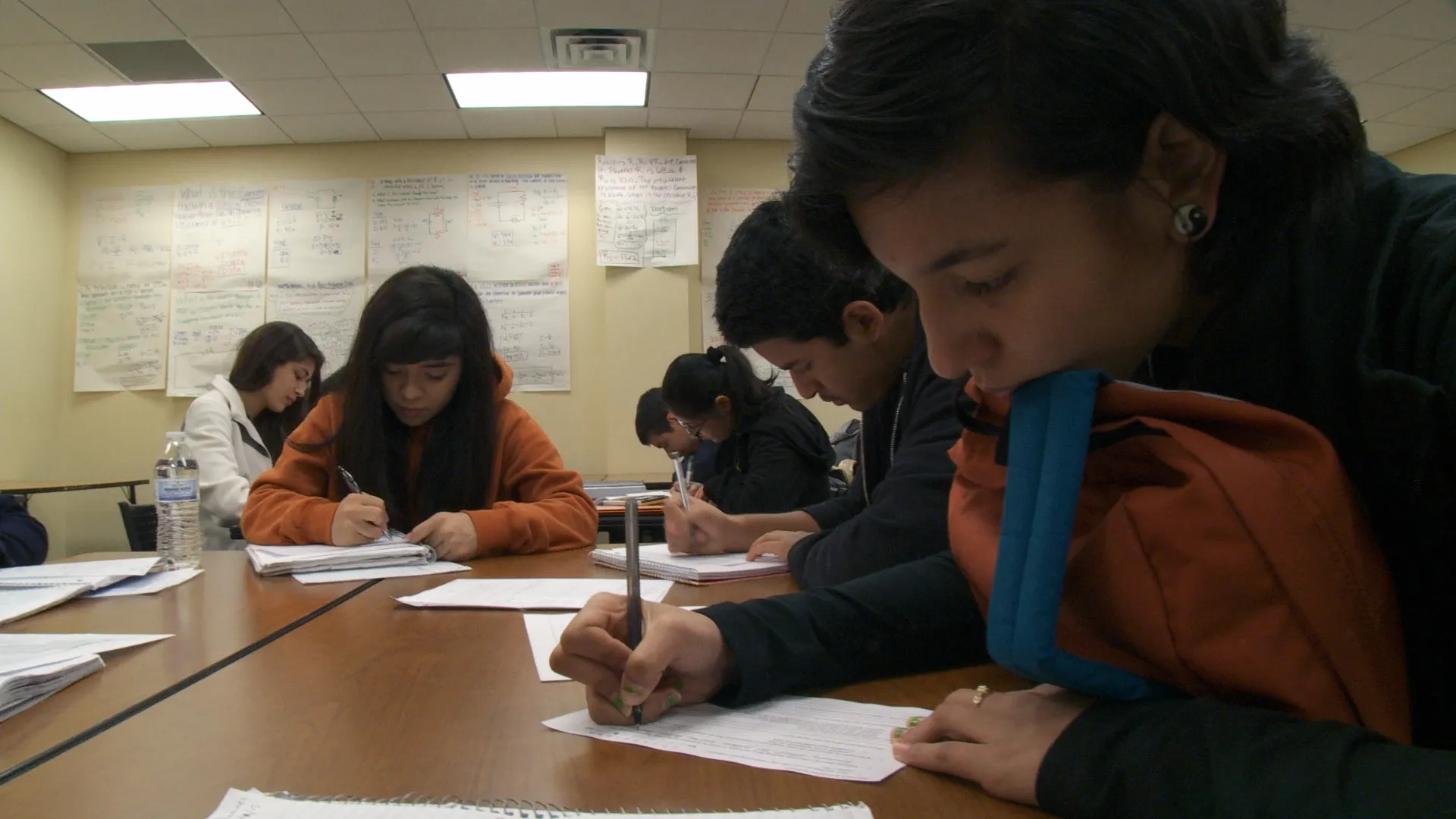
Jakarta, inca.ac.id – Schools and universities work best when they understand the experiences of the students they serve. Academic programs, campus services, classroom environments, support systems, and institutional policies all become stronger when student perspectives are taken seriously. That is why Student Surveys are such valuable tools. To me, student surveys are not just instruments for collecting opinions. They are structured ways of listening that can help institutions identify strengths, uncover problems, and make more informed decisions for improvement.
Why Student Surveys Matter

In my experience, Student Surveys matter because students often see parts of educational life that administrators, teachers, and staff may not fully recognize from their own positions. Students experience the daily reality of teaching quality, workload balance, communication clarity, support accessibility, classroom climate, campus safety, and service effectiveness. Their feedback can reveal patterns that might otherwise remain hidden.
This becomes especially important because improvement in education depends on good information. Institutions can make better decisions when they understand what is working well and what needs attention. Student surveys help turn personal experiences into useful data that can guide planning and action.
There is also a strong connection to educational Knowledge and accountability here. Surveys encourage institutions to move beyond assumptions and respond more thoughtfully to actual student experience.
My Perspective on Feedback and Institutional Learning
What changed my understanding of Student Surveys was realizing that surveys are most meaningful when they are treated as part of a larger culture of listening. At first, surveys can seem routine or administrative, something students complete quickly and institutions archive quietly. But over time, I came to see that well-designed surveys can become powerful tools for reflection, responsiveness, and trust when the results are taken seriously and used responsibly.
That is what makes this topic meaningful to me. Student surveys are not only about asking questions. They are about whether institutions are willing to learn from the answers.
Core Benefits of Student Surveys
I think the value of Student Surveys becomes easier to understand when their main benefits are broken down clearly.
Identifying strengths
Surveys can reveal what students believe is working well.
Detecting problems early
Concerns about teaching, services, or campus life may emerge before they grow larger.
Supporting informed decisions
Leaders can use survey findings to guide planning and policy.
Encouraging student voice
Students feel more included when their perspectives are invited and considered.
Tracking change over time
Repeated surveys can show whether improvements are working.
Improving accountability
Feedback creates pressure to align institutional claims with student experience.
Common Challenges in Student Surveys
I have noticed that Student Surveys also face practical limitations.
Low response rates
If too few students participate, findings may be less representative.
Survey fatigue
Students may become less engaged if asked for feedback too often.
Poorly designed questions
Unclear or biased wording can reduce the value of responses.
Lack of follow-through
Trust weakens when surveys are collected but no visible action follows.
Oversimplification
Survey data may need interpretation and should not replace deeper dialogue.
Practical Value of Student Surveys
I believe Student Surveys offer lasting value because they strengthen institutional learning and improvement.
They provide actionable insight
Feedback helps identify where attention is most needed.
They strengthen communication
Institutions learn how students perceive policies and services.
They support better planning
Data-informed decisions are often more effective than assumption-based ones.
They build a culture of responsiveness
Listening becomes part of institutional practice.
They improve the student experience
When used well, survey results can lead to meaningful positive change.
Below is a simple overview of how student surveys support improvement:
| Student Surveys Function | Why It Matters | Example in Practice |
|---|---|---|
| Identifying strengths | Shows what students value | Students report strong support from academic advising services |
| Detecting problems | Reveals concerns early | Survey responses show confusion about assignment expectations |
| Supporting decisions | Informs planning and reform | Administrators revise scheduling based on student feedback |
| Encouraging student voice | Builds inclusion and trust | Students feel their opinions are formally recognized |
| Tracking progress | Measures improvement over time | A follow-up survey shows better satisfaction after service changes |
These examples show that student surveys are not simply feedback forms. They are practical tools that help institutions understand experience and improve more effectively.
Why Student Surveys Matter Beyond Data Collection
I think Student Surveys matter because they reflect a larger principle in education: improvement should be informed by the people most directly affected by institutional decisions. When schools and universities listen well, they not only gather information. They build trust, strengthen accountability, and show that student experience matters in a meaningful way.
That broader significance is what makes this topic so valuable. Student surveys are not only about collecting data. They are about creating a stronger relationship between institutions and the students they serve.
Final Thoughts
For me, Student Surveys are one of the most useful tools for educational improvement because they transform student experience into insight that institutions can learn from. They help reveal strengths, identify challenges, support planning, and encourage a more responsive educational environment.
That is why they matter so much. Student surveys are not simply questionnaires. They are an important way of listening, learning, and improving.
Explore our “”Knowledge“” category for more insightful content
Don't forget to check out our previous article: Human Rights Advocacy: Championing Justice in College
Penulis

#campus experience #educational improvement #institutional planning #school accountability #student feedback #Student Surveys #student voice #survey design
Related Posts
 Kuliah Perdana Menjadi Langkah Awal Mahasiswa Mengenal Sistem Belajar dan Kehidupan Kampus
 Ilmu Kesehatan Anak Membantu Mahasiswa Memahami Kesehatan dan Perawatan Anak Sejak Dini
 Sosial Ekonomi Perikanan Membantu Mahasiswa Memahami Usaha, Masyarakat, dan Kehidupan di Sektor Perikanan
 Manajemen Pariwisata Membantu Mahasiswa Memahami Cara Mengelola Usaha dan Layanan Wisata