
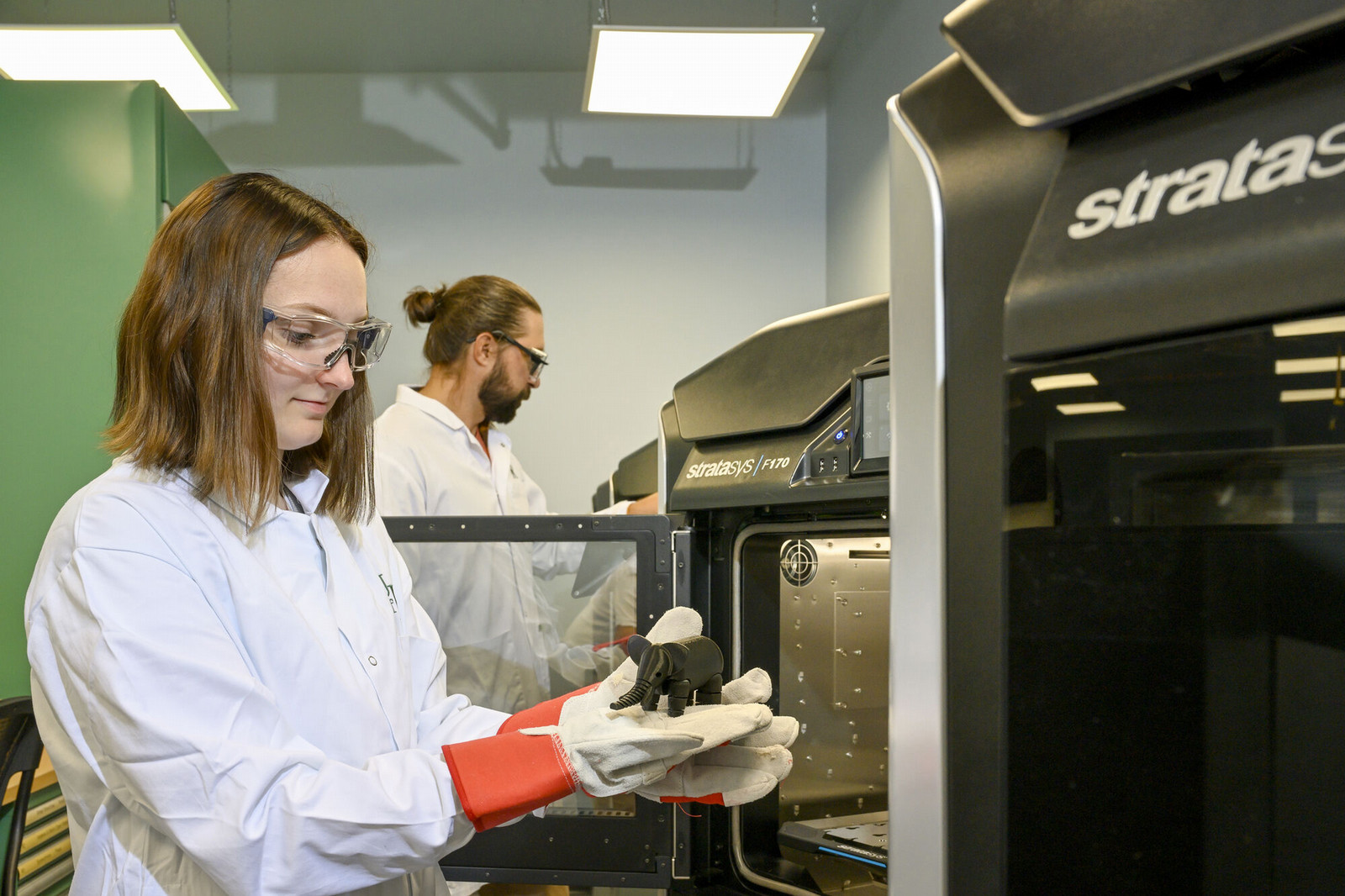
Jakarta, inca.ac.id – University life is often described in terms of achievement, deadlines, specialization, and future career preparation. Those are all important parts of higher education, but they are not the whole picture. One of the most valuable aspects of the university setting is the opportunity to think beyond immediate requirements and engage with ideas in a more open, curious, and exploratory way. That is where Discovery Mode becomes especially meaningful. To me, discovery mode is the mindset that allows students to experiment intellectually, ask deeper questions, and explore unfamiliar concepts without needing every step to lead directly to a measurable outcome.
Why Discovery Mode Matters

In my experience, Discovery Mode matters because universities are uniquely designed to expose students to new perspectives, disciplines, and ways of thinking. A student may enter with a clear academic plan, but real growth often happens when that plan expands. A class outside one’s major, a conversation with a professor, a research project, a student organization, or even a question that challenges existing assumptions can open entirely new directions.
This becomes especially important because higher education is not only about mastering established knowledge. It is also about learning how knowledge is created, tested, debated, and connected across fields. Discovery mode supports that process by encouraging curiosity, experimentation, and intellectual flexibility. Instead of treating education as a checklist alone, it invites students to see it as a space for genuine exploration.
There is also a strong connection to academic Knowledge and personal development here. Discovery mode supports critical thinking, creativity, interdisciplinary learning, and self-discovery.
My Perspective on Exploring New Ideas
What changed my understanding of Discovery Mode was realizing that valuable learning does not always begin with certainty. At first, students often feel pressure to have clear answers, firm goals, and efficient paths. But over time, I came to see that some of the most important insights emerge from uncertainty, experimentation, and questions that do not have immediate solutions. Exploring a new idea can feel unproductive in the short term, yet it often leads to deeper understanding later.
That is what makes this topic meaningful to me. Discovery mode is not about wandering without direction. It is about allowing space for intellectual growth that cannot always be predicted in advance. In the university setting, that freedom can be one of the richest parts of the learning experience.
Core Elements of Discovery Mode
I think Discovery Mode becomes easier to understand when its main features are broken down clearly.
Curiosity
Students remain open to asking questions and following new interests.
Exploration
Learning extends beyond required material into unfamiliar areas.
Reflection
Students think about what new ideas mean and how they connect to prior knowledge.
Experimentation
Trying different approaches, subjects, or methods can lead to unexpected insight.
Interdisciplinary thinking
Connections between fields often create fresh understanding.
Intellectual risk-taking
Students become more willing to engage ideas they do not fully understand yet.
Common Challenges to Discovery Mode
I have noticed that Discovery Mode can also be limited by recurring pressures.
Fear of uncertainty
Students may avoid topics where they do not feel immediately competent.
Overemphasis on outcomes
Constant focus on grades or career utility can narrow exploration.
Time pressure
Busy schedules can leave little room for open-ended learning.
Specialization too early
Students may feel locked into one academic identity.
Self-doubt
Unfamiliar ideas can feel intimidating rather than exciting.
Practical Value of Discovery Mode
I believe Discovery Mode offers lasting value because it strengthens both learning and adaptability.
It expands intellectual horizons
Students discover ideas, fields, and questions they might not have considered.
It builds creativity
New connections often emerge when learning is exploratory.
It supports better problem-solving
Exposure to multiple perspectives improves analytical flexibility.
It deepens engagement
Curiosity often makes learning more memorable and meaningful.
It helps students understand themselves
Exploration can clarify interests, strengths, and future direction.
Below is a simple overview of how discovery mode supports exploring new ideas in the university setting:
| Discovery Mode Element | Why It Matters | Example in Practice |
|---|---|---|
| Curiosity | Opens the door to deeper learning | Asking questions beyond the lecture material |
| Exploration | Broadens academic experience | Taking an elective outside one’s major |
| Reflection | Strengthens understanding | Writing about how a new concept changes one’s perspective |
| Experimentation | Encourages flexible learning | Trying research, debate, design, or fieldwork experiences |
| Interdisciplinary thinking | Creates fresh insight | Connecting technology, ethics, and social policy in one project |
These elements show that discovery mode is not simply a vague attitude of openness. It is a real intellectual approach that helps students learn more deeply and think more broadly.
Why Discovery Mode Matters Beyond University
I think Discovery Mode matters because the ability to explore new ideas remains valuable long after graduation. In work, citizenship, leadership, and personal growth, people often face unfamiliar problems that require curiosity, flexibility, and willingness to learn. A university education is stronger when it prepares students not only to know what already exists, but also to explore what they do not yet understand.
That broader significance is what makes this topic so valuable. Discovery mode is not only about university learning. It is about developing a lifelong relationship with curiosity and new knowledge.
Final Thoughts
For me, Discovery Mode is one of the most valuable mindsets students can develop in the university setting because it encourages curiosity, reflection, experimentation, and intellectual courage. It reminds us that education is not only about completing requirements. It is also about discovering new ways of thinking and new possibilities for understanding the world.
That is why it matters so much. Discovery mode is not simply about trying new things for the sake of variety. It is about building the habits of mind that make deeper learning and meaningful growth possible.
Explore our “”Knowledge“” category for more insightful content!
Don't forget to check out our previous article: Campus Parking: Navigating Your Vehicle Needs
Penulis

#academic curiosity #critical thinking #Discovery Mode #exploration #higher education #interdisciplinary thinking #Student Growth #university learning
Related Posts
 Kuliah Perdana Menjadi Langkah Awal Mahasiswa Mengenal Sistem Belajar dan Kehidupan Kampus
 Ilmu Kesehatan Anak Membantu Mahasiswa Memahami Kesehatan dan Perawatan Anak Sejak Dini
 Sosial Ekonomi Perikanan Membantu Mahasiswa Memahami Usaha, Masyarakat, dan Kehidupan di Sektor Perikanan
 Manajemen Pariwisata Membantu Mahasiswa Memahami Cara Mengelola Usaha dan Layanan Wisata